
Minimalism as a Mindset, Not Just a Design Trend
"Rethinking success, satisfaction, and simplicity in an age of excess"

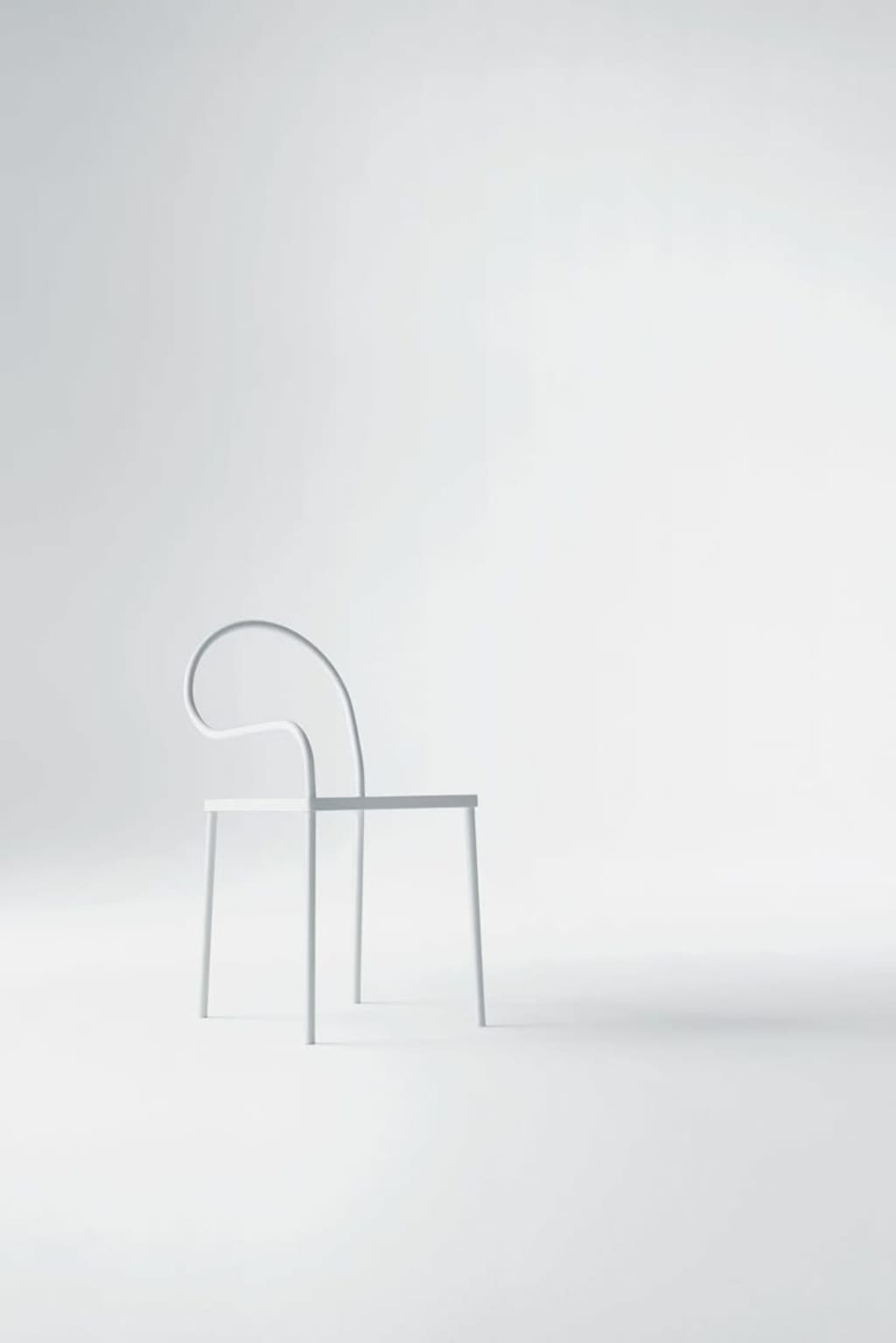
Minimalism has become one of the most talked-about design movements of the last decade. We see it everywhere — in Instagram-worthy homes with stark white walls, simple furniture, and clutter-free spaces. But beyond the curated aesthetics, there’s a deeper, more meaningful version of minimalism quietly gaining traction: minimalism as a mindset.
This shift isn’t just about what your living room looks like. It’s about how you think, what you value, and how you move through the world.
The Surface vs. the Substance
Design minimalism is easy to spot. It’s visual — calm, clean, curated. But mindset minimalism? It’s subtle. It’s about clearing mental clutter, simplifying choices, and being intentional with how we spend our time, money, and energy.
A minimalist mindset doesn’t require you to own a capsule wardrobe or live in an all-white apartment. It’s more about questioning the “why” behind what we own, what we pursue, and how we define success. It’s about making space — not just in our homes, but in our lives.
More Isn’t Always More
We live in a culture that celebrates excess. More followers. More productivity. More hustle. But more doesn’t always equal better. In fact, it often leads to burnout, overwhelm, and decision fatigue.
Minimalism, as a way of thinking, invites us to step off that treadmill. It asks: What actually matters to me? When we start to strip away the noise — the unnecessary commitments, the overstuffed schedules, the endless comparison — we can begin to focus on what truly brings us clarity and purpose.
The Power of Intentionality
At its core, a minimalist mindset is about being intentional. It’s not anti-stuff or anti-success — it’s about being mindful of what we allow into our lives. Whether that’s the media we consume, the relationships we maintain, or the habits we build, the question becomes: Does this add value to my life?
This mindset can be liberating. It turns decision-making into a clearer process. It helps filter out distractions. It gives us permission to say no — not out of fear or guilt, but out of a deeper commitment to what really aligns with our values.
Minimalism and Mental Space
One of the underrated benefits of a minimalist mindset is the effect it can have on our mental health. Just like a cluttered desk can make it hard to focus, a cluttered life can lead to anxiety, stress, and emotional exhaustion.
By simplifying — even just a little — we create breathing room. We give ourselves the chance to rest, reset, and reconnect with what’s important. It might be as small as reducing digital noise by turning off notifications, or as big as changing career paths to pursue something more meaningful. Either way, the shift toward less often leads to a life that feels more full.
A Personal Journey, Not a Perfect One
It’s easy to romanticize minimalism, especially online, where it’s often portrayed as a polished lifestyle. But in reality, minimalism as a mindset isn’t about perfection. It’s personal. It evolves. And it looks different for everyone.
For some, it might mean decluttering their homes. For others, it might mean stepping back from social media, rethinking their relationship with money, or simply learning to be okay with doing less. There’s no one-size-fits-all version — and that’s what makes it so powerful.
Final Thoughts
Minimalism is more than just a design choice. It’s a mindset — one rooted in clarity, purpose, and peace. In a world that constantly pushes us to want more, do more, and be more, choosing “less” can feel like a radical act.
But maybe, just maybe, that simplicity is exactly what we’ve been searching for all along.
About the Creator
LingoCoach
Here you can find whatever you need for your General English
Enjoyed the story? Support the Creator.
Subscribe for free to receive all their stories in your feed.
Comments
There are no comments for this story
Be the first to respond and start the conversation.