
MEDITATION AND MINDFUL PRACTICES IN WOA
Embark on the Journey of Meditation

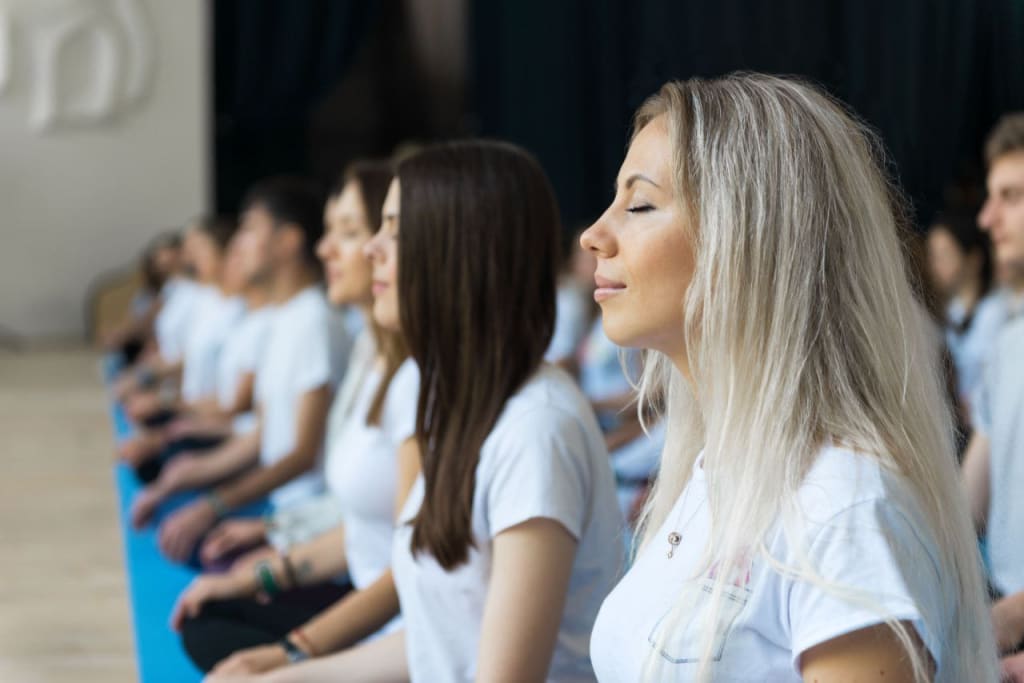
Exploring the Depths of Meditation
The concept of meditation, derived from the Latin word "meditation" meaning reflection, encompasses a range of exercises for the psyche. These practices are employed as part of spiritual, religious, or health routines, leading to a special mental state. However, the true definition of meditation requires deeper exploration, which we will delve into shortly.
At its core, meditation serves as a method for awakening the essence of human nature. It does not involve working with thoughts, affirmations, or self-involvement. Instead, meditation necessitates complete disidentification with the thought process. Through meditation, we observe the thoughts, emotions, and desires from a detached perspective, as if witnessing them from the outside. While beginners may not immediately experience the effects of meditation, over time, the chaotic "chatter cloud" in the mind dissipates, and clarity prevails. The mind becomes a precise and efficient tool, subjugated to our mastery.
The human mind rarely remains focused, often functioning idly and chaotically. We find ourselves preoccupied with the past or the future, analyzing and evaluating events that exist only in our thoughts. This process drains a tremendous amount of energy. Unfortunately, most people struggle to halt this continuous mental activity, leading to a state of depression. They attempt to silence their thoughts through short-term remedies such as eating, sex, music, smoking, alcohol, drugs, or even engaging in destructive forms of entertainment.
Meditation invites us to observe our thoughts without engaging with them. Going back to the definition of meditation as "reflection," it does not imply contemplation or analysis of thoughts, situations, or processes as conventionally understood. Instead, it involves disidentifying from the thought process itself.
Many individuals employ meditation as a technique to induce relaxation and experience other positive effects. However, this merely scratches the surface of meditation's profound potential. At its core, meditation constitutes an integral aspect of training in spiritual schools, propelling consciousness beyond the boundaries of the ego. Meditation entails delving deep into the subtle layers of consciousness and awakening our inner nature. By employing advanced techniques, the process of spiritual evolution is expedited.
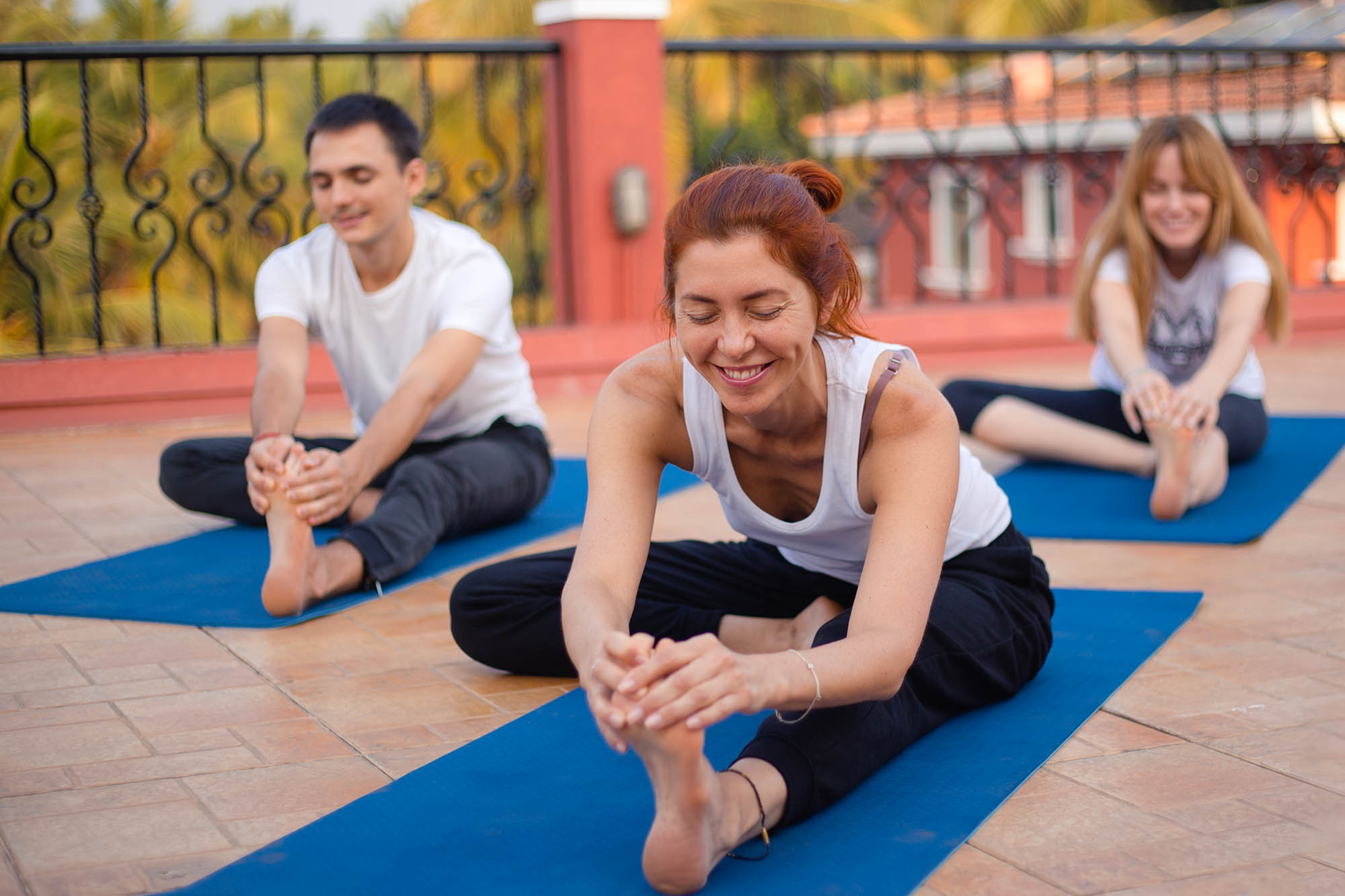
Exploring the Types of Meditation
A wide array of meditation techniques caters to both beginners and experienced practitioners. These practices can be categorized into two types based on the principle of working with attention:
Concentration of Attention: In this approach, practitioners focus their attention on a specific object, sound, breathing pattern, or bodily sensations.
Deconcentration: This type involves observing both external and internal phenomena, including thoughts and emotions, without becoming entangled in their grasp. One notable example is the well-known Buddhist meditation on emptiness.
When either approach to meditation is pursued correctly, the process transcends analysis or evaluation of the object of concentration or the ongoing experiences.
It is important to differentiate meditative practices from visualization, relaxation techniques, and affirmations. In the latter methods, imagination plays a pivotal role as individuals form mental images to induce relaxation or manifest their desires. In contrast, meditation aims to transcend duality and the realm of thoughts.
While most meditation techniques trace their origins to the East, they are not exclusive to Eastern cultures, where profound meditation techniques have also been developed. One such example is Paradental Meditation, which translates from Sanskrit as "taking one beyond all limits." This unique technique represents the second type of meditation, deconcentration. It serves as both an ideal starting point for beginners and an advanced practice for seasoned practitioners. The World of Awakening School stands as the sole provider of training in this exceptional meditation technique.
Embarking on the Journey of Meditation
Many individuals inquire about the process of learning to meditate, wondering if there are meditation techniques for beginners that can be practiced at home. It is important to understand that profound meditation techniques cannot be grasped solely through reading a book or watching an online video. Learning to meditate entails a systematic approach, guidance from a competent teacher, and dedicated time for practice.
It is crucial to emphasize that learning meditation is not an end in itself. It is essential to determine what one aims to achieve through meditation. While many individuals use meditation for relaxation and stress relief, the World of Awakening School teaches meditation techniques with a broader purpose. The techniques aim to free the mind from limiting perceptions, dissolve bodily blocks and tensions, and relinquish the dominance of the mind.
The meditation techniques taught at the WOA School are powerful and effective tools for spiritual development. They enable practitioners to address up to 50% of the initial purification work within the body, particularly the nervous system. Meditation expedites and facilitates the overall process of inner transformation and physical regeneration. The unique meditation technique transmitted by the master allows for swift and painless cleansing of the consciousness from destructive programs.
Can Meditation be Learned from Books?
While it is possible to gain an understanding of relaxation or concentration techniques through books, their effectiveness may be questionable. To truly benefit from meditation practice, it is crucial to recognize that it involves subtle inner work. A professional approach and a safe technique are paramount to avoid causing harm to oneself.
Learning meditation should be approached with the same seriousness as learning to operate an airplane. Although some might believe that they can navigate meditation independently, relying on free resources available on the internet, it is important to acknowledge the risks involved. To achieve genuine positive effects and remain connected to life, a comprehensive training system is essential.
The Profound Impact of Meditation in Everyday Life
Engaging in meditation practices initiates the activation of the body's self-regulation mechanisms, leading to deep rest and restoration of the nervous system. As a result, vitality increases, the immune system strengthens, sleep improves, and natural internal biological rhythms are restored.
Meditation also contributes to the development of creativity, intellect, efficiency in business, concentration, memory enhancement, and the nurturing of intuition. With consistent practice, individuals often find themselves requiring less sleep as their bodies recover more efficiently, and meditation provides an energy boost.
To maximize the effectiveness of meditation practices, quality training is necessary, particularly for beginners. The positive effects of meditation are directly proportional to the practitioner's experience. Research demonstrates that individuals who meditate cultivate warmer relationships with others, exhibit enhanced creativity, problem-solving capabilities, relaxation, confidence, reduced stress levels, and radiate harmony, peace, and joy.
Furthermore, meditation may unveil supernatural abilities, although this is not the primary goal of meditation. With the correct approach, the risks of misusing psychic abilities are minimal.
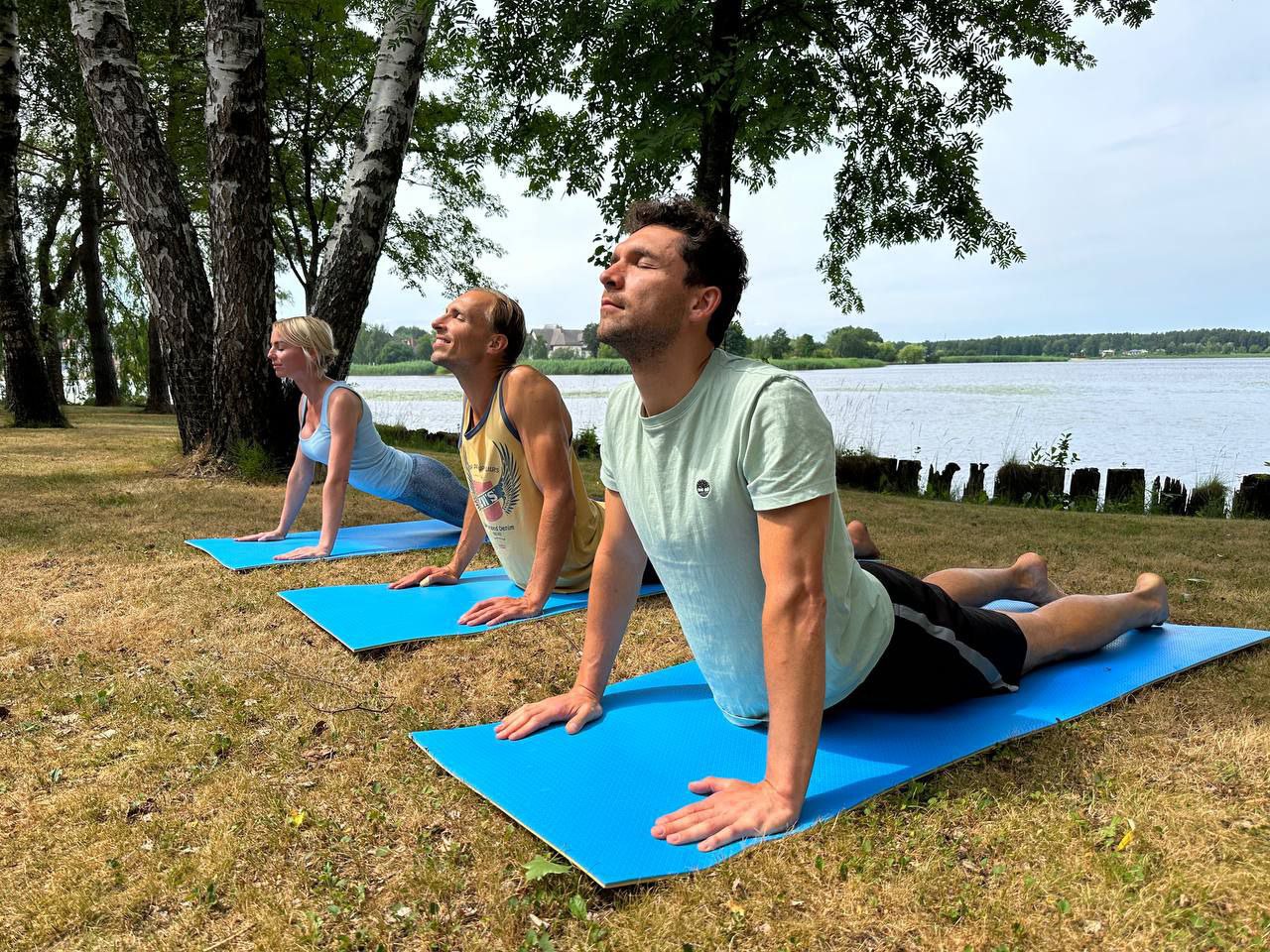
Understanding the Body's Response to Meditation
Scientists have extensively studied the mechanisms underlying the transformative effects of meditation on the body. Certain areas of the brain undergo changes, and hormone and neurotransmitter levels normalize. For instance, meditating individuals exhibit reduced levels of cortisol (the stress hormone) and increased levels of serotonin (the "happiness hormone").
Additionally, meditation impacts the release of other important substances in the body, such as:
- DHEA (dehydroepiandrosterone): Known as the "hormone of youth,
- GABA (gamma-aminobutyric acid): A neurotransmitter associated with relaxation
- Endorphins: Known for their mood-enhancing properties
- Somatotropin: A growth hormone associated with tissue repair and regeneration
- Melatonin: A hormone essential for regulating sleep patterns
During meditation, the brain's frequency shifts from beta waves to alpha waves. This state represents an intermediate phase between wakefulness and sleep, often associated with the emergence of insights and the generation of new ideas.
Meditation serves as a catalyst for neurohumoral regulation in the body, activating the internal mechanisms of self-regulation and self-restoration. As a result, profound purification of both the psyche and the physical body occurs, leading to the accompanying positive effects.
Contraindications and Universality of Meditation
With the exception of serious mental disorders and substance dependence, meditation has no specific contraindications. Individual cases involving these conditions should be evaluated by specialists.
Meditation benefits individuals from all walks of life, regardless of their profession or background. It proves valuable for:
- Corporate environments
- Business owners
- Executives and managers
- Politicians
- Journalists and translators
- Students
- Teachers and educators (including parents)
- Individuals in creative professions (dancers, musicians, artists, writers, composers, actors)
- Models
- Martial artists
- Athletes
- Those in high-stress professions or engaged in physically demanding labor
- Individuals seeking to enhance concentration and focus
- Practitioners of qigong, reiki, and similar disciplines
- Women and men of all backgrounds
Ultimately, meditation offers universal benefits and can be integrated into various aspects of life. Its practice promotes holistic well-being, cultivates inner harmony, and facilitates personal growth and spiritual development.
Embark on the Journey of Meditation
Meditation, when approached with dedication and guidance, becomes a transformative journey. Its effects reach far beyond relaxation and stress relief, allowing individuals to tap into their true potential. As you embark on this path, it is essential to find a reputable teacher and school that can provide comprehensive training and support.
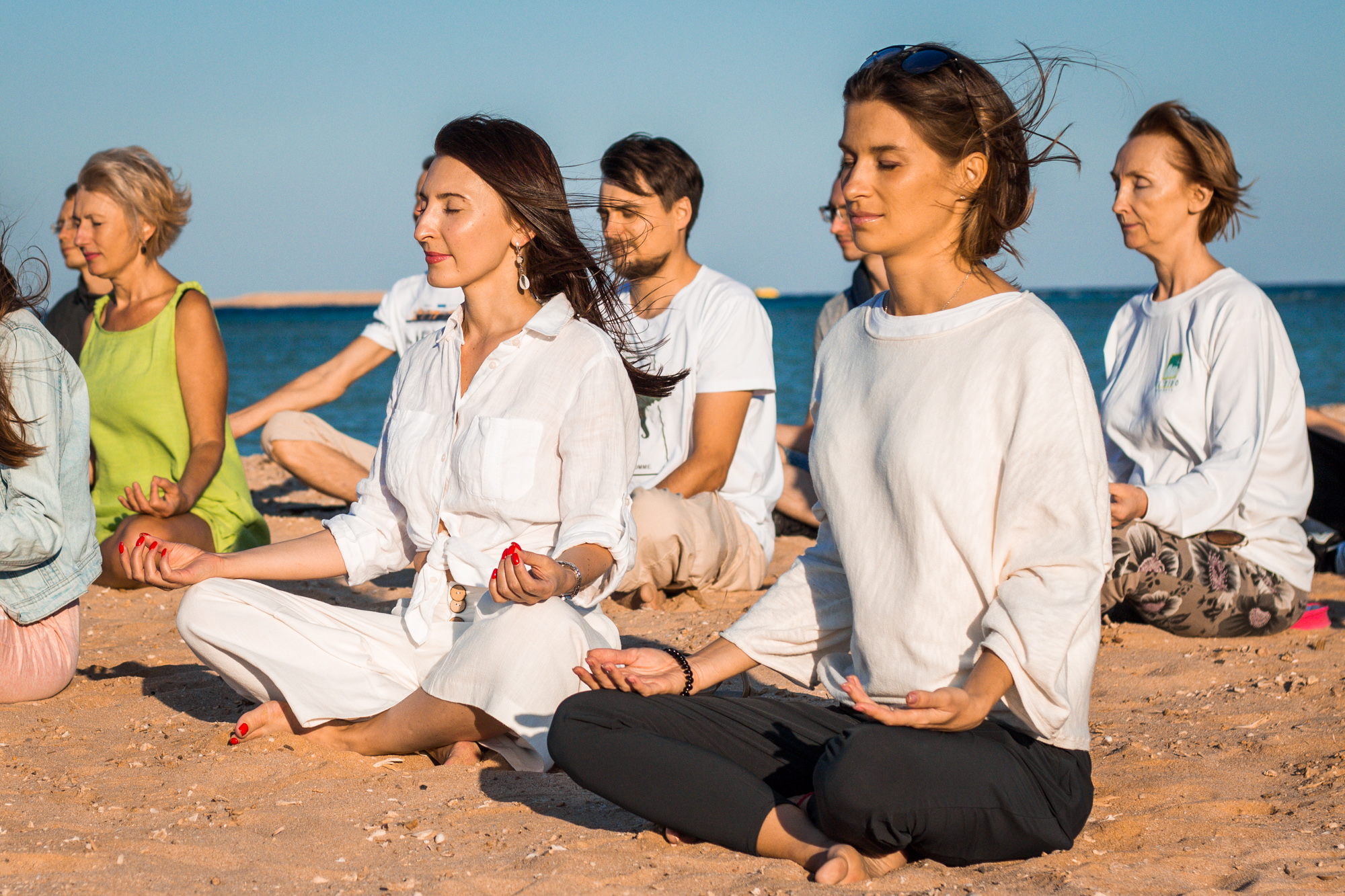
At the World of Awakening School in the USA, we are committed to transmitting powerful and effective meditation techniques. These techniques serve as catalysts for spiritual evolution and inner transformation. Through dedicated practice and guidance, you can experience the profound benefits of meditation in your everyday life.
Remember, true meditation cannot be grasped solely through books or videos. It requires a systematic approach and the transmission of knowledge from a competent teacher. If you genuinely seek to unlock the potential of meditation, invest in a professional training system and embark on the path of mindfulness and self-discovery.
About the Creator
World of Awakening
🔹 Community & Meditation
🔹 Enlighted teacher
We help people to approach awakening.
https://worldofawakening.com/
Enjoyed the story? Support the Creator.
Subscribe for free to receive all their stories in your feed.
Comments
There are no comments for this story
Be the first to respond and start the conversation.