

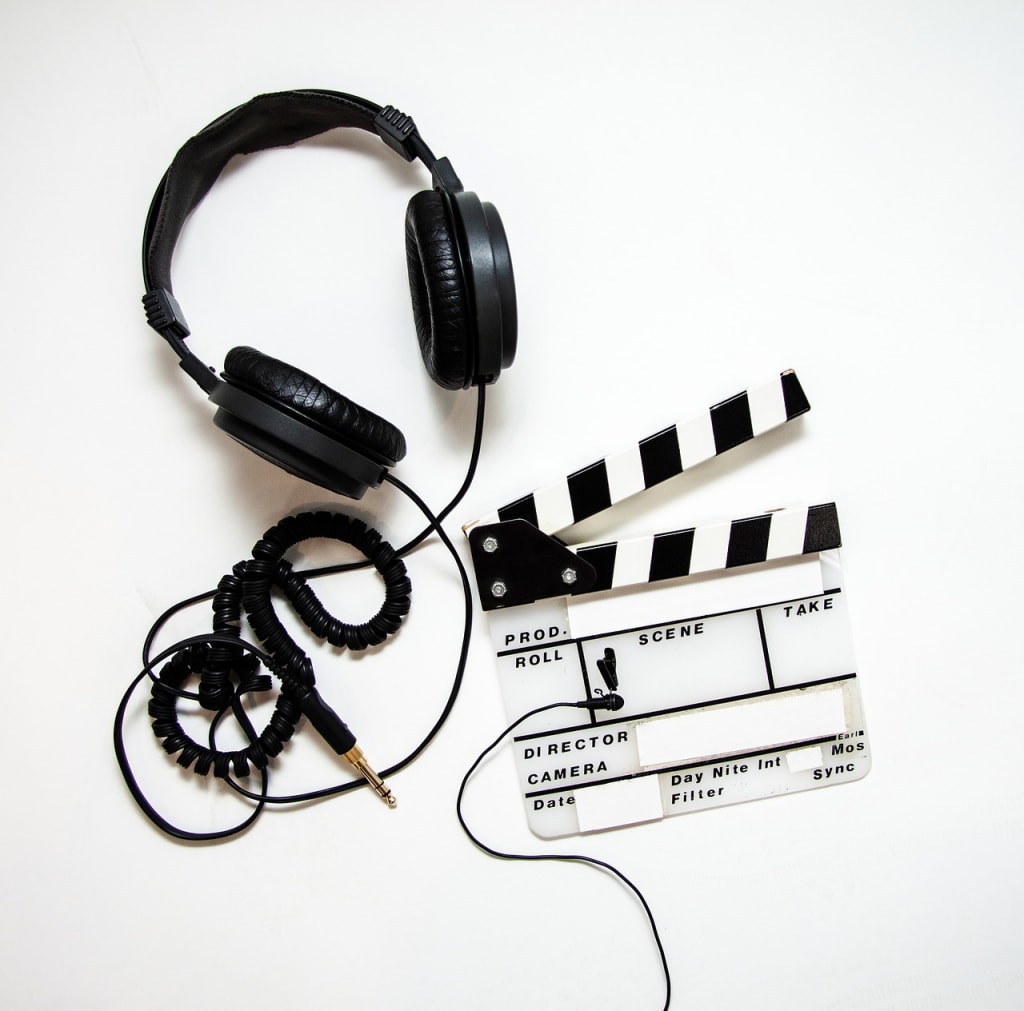
le ImageIn the realm of digital marketing, video production stands out as a linchpin, driving unparalleled engagement and fostering a connection between brands and their audience. Its rising importance can be attributed to the power of visual storytelling, offering an immersive way to convey messages that resonate deeply with viewers. This medium's dynamic nature makes it pivotal for brands looking to establish a robust online presence, particularly on platforms like YouTube channels, where visual content reigns supreme. Mastery of video production, therefore, becomes imperative for anyone aiming to leverage its potential to captivate an audience and enhance customer connection.
This article serves as your ultimate guide to mastering video production, from the initial stage of pre-production, where strategic planning sets the foundation, to the intricacies of production itself, all the way through to the finesse required in post-production. Each section is designed to walk you through the critical steps necessary to produce compelling video content that not only engages but also adds significant value to your digital marketing efforts. By providing you with a comprehensive understanding of each phase, this guide aims to equip you with the skills and knowledge to transform your ideas into impactful visual stories.
Discover an effective method for studying video production here
Pre-Production
Planning and Conceptualizing
In the pre-production phase, it is crucial to define the core purpose, goals, and target audience of the video. One must consider how the content will be used, its desired length, and the production values required. Questions about preferences on previous videos and budget constraints are also essential 1. Identifying the key personnel for creative direction and content creation, such as who will handle the storyboard or script, is a foundational step 1. Additionally, determining whether the video will include spoken audio or just text overlays informs the direction of the production 1.
Developing a Timeline and Budget
Creating a detailed video production timeline is integral to keeping the project on track 2. This timeline should align with the availability of locations, talent, and necessary equipment. Budgeting must account for all costs, including equipment and additional resources needed to achieve the desired outcome of the video 3. Estimating the length and complexity of the video helps in creating a realistic budget, as more complex videos require more resources and time 3.
Script Writing
Scriptwriting is a pivotal element of pre-production, setting the stage for the message and structure of the video. A well-crafted script ensures the video communicates its intended message clearly and effectively, adhering to brand standards 4. It outlines all audio and visual elements, which aids editors and actors in their roles, making the recording process smoother and reducing editing time 4. Starting with a script outline helps organize thoughts and ensures the storyline progresses logically 4.
Storyboarding
Storyboarding visualizes the script shot by shot, providing a blueprint that guides the entire production team. It helps in planning the visual narrative, camera angles, and scene transitions, ensuring coherence in storytelling 5. Storyboards also facilitate logistical planning, such as scheduling and budgeting, by clearly outlining what needs to be captured during the shoot 5. They are essential for identifying potential issues before filming begins, saving time and resources during actual production 5.
Production
Equipment and Crew Selection
Selecting the right camera crew is crucial for capturing high-quality footage that aligns with your brand's professionalism and values. It's important to choose a crew that can handle the technical demands of the project while ensuring that all content is backed up securely 6. The size of the crew and the type of equipment required will depend on the complexity of the project. For instance, a simple documentary might need less equipment compared to a high-end commercial shoot 6. Decisions about the filming format, whether high definition or 4k, should be made based on the delivery platform and the need for post-production enhancements like color grading 6.
Location Scouting and Set Design
Scouting the right location is integral to the visual storytelling process. It involves evaluating potential sites that align with the script's setting and ensuring the location supports the desired visual style of the film 7. The location should not only be esthetically suitable but also logistically viable, considering factors like power supply and accessibility 7. Once a location is chosen, the design and preparation of the set play a critical role in realizing the script's vision, requiring careful planning and control to manage all elements effectively 8.
Shooting Film
Achieving a variety of shots is key to engaging storytelling. Filmmakers should plan to capture wide, mid, and close-up shots to enrich the visual narrative 9. Camera movement should be smooth unless a handheld, shaky effect is desired. Using stabilization tools like gimbals or sliders can enhance the professionalism of the footage 9. Additionally, establishing shots are crucial for setting the scene, and they should provide clear and informative visuals to effectively introduce the location 9.
Capturing Audio
Audio quality is paramount in video production. Poor audio can detract from the overall quality of the video, making it essential to use the right type of microphone suited for the environment 10. Dynamic mics are generally suitable for general vocals, while condenser mics offer clearer recordings in controlled environments 10. Lavalier and shotgun mics are excellent for on-location recordings where background noise reduction is necessary 10. Additionally, ensuring the audio is captured on separate tracks allows for better control during post-production, maintaining consistency and quality across all audio elements 10.
Post-Production
Editing
The post-production phase begins with editing, where the bulk of the video's narrative is sculpted. Editors must choose the right software that complements their editing style, ensuring a blend of creativity and technical proficiency 11. The editing process includes organizing footage, selecting the best takes, and trimming clips to maintain pacing and narrative flow. It's essential to keep extra footage, known as coverage, to avoid reshoots and provide flexibility in editing 12.
Adding Special Effects and Transitions
Special effects and transitions are vital for enhancing the visual appeal and storytelling of the video. From simple cuts to advanced visual effects like chroma keying, editors have a plethora of tools at their disposal 13. Effective use of transitions can guide the viewer's attention and improve the overall flow of the video 14. Each effect should be used judiciously to support the story rather than distract from it.
Audio Mixing
Audio mixing in post-production ensures that dialog, music, and sound effects are harmoniously balanced to support the visual storytelling 15. Techniques such as EQ adjustments and dynamic automation are used to enhance dialog clarity and integrate music without overshadowing important audio elements 15. The mixer's role is crucial in creating a soundscape that draws viewers deeper into the film's world, ensuring that the audio supports the emotional and narrative depth of the video 15.
Color Correction and Grading
Color correction and grading are critical for achieving visual continuity and setting the mood of the video. Using tools like the Lumetri Color panel in Adobe Premiere Pro, editors adjust exposure, contrast, and color balance to ensure natural-looking tones throughout the video 16. Advanced techniques involve using color wheels and curves to fine-tune color values, enhancing the overall esthetic and emotional impact of the video 16.
Conclusion
Throughout this comprehensive guide, we have traversed the multifaceted landscape of video production, illuminating the crucial stages from pre-production planning through to the complexities of post-production finesse. We have underscored the pivotal role that a deep understanding of these phases plays in crafting videos that not only captivate and engage audiences but also significantly elevate a brand's digital marketing prowess. By adhering to the outlined steps and techniques, readers are now better equipped to create compelling visual narratives that resonate with their audience, reflecting a harmonious blend of creativity and technical proficiency.
As we conclude, remember that mastering video production is a continual journey of learning and adaptation, one that rewards patience, creativity, and detailed attention. The implications of embracing these practices extend beyond immediate project successes, offering profound impacts on your brand’s communication strategies and connections with the audience. We encourage creators and marketers alike to apply these insights and push the boundaries of their creative endeavors, thereby contributing to the ever-evolving realm of digital storytelling.
FAQs
What does mastering entail in video production?
Mastering, also known as “finishing,” is the final stage in the video production process where the final product is completed and prepared for distribution to the chosen media platform.
What are the key phases of video production?
Video production is divided into three main phases: Pre-Production, Production, and Post-Production. Each stage plays a crucial role in taking a video from an initial concept to a finished product.
How can I improve my skills as a video producer?
To enhance your abilities as a video producer, focus on the following areas:
Preparation: Being well-prepared is essential.
Learning: Continuously learn from experienced professionals.
Team Knowledge: Understand and know your team's strengths and weaknesses.
Communication: Maintain clear and effective communication.
Negotiation: Develop strong negotiation skills.
Staying Relevant: Keep up with the latest trends and technologies.
Respect: Show respect to everyone involved in the production process.
What activities are involved in the pre-production phase of a video?
Pre-production starts once a project is approved and involves several critical steps:
Script Finalization: Completing the script to be used.
Hiring: Recruiting all necessary actors and crew members.
Location Scouting: Finding suitable places to film.
Equipment Planning: Determining the required filming equipment.
Budgeting: Establishing a budget for the project. This phase is crucial for setting the groundwork for a successful production.
References
[1] - https://signalinc.com/video-project-planning/
[2] - https://quickframe.com/blog/5-stages-video-production-timeline/
[3] - https://clutch.co/resources/how-to-create-a-video-production-budget
[4] - https://www.techsmith.com/blog/how-to-write-script-for-video/
[5] - https://c-istudios.com/storyboarding-essentials-planning-your-video-shot-by-shot/
[6] - https://ajimedia.com/how-to-choose-the-right-camera-crew/
[7] - https://www.videomaker.com/article/c18/8946-11-tips-for-location-scouting/
[8] - https://yamdu.com/en/blog/a-guide-to-successful-location-scouting/
[9] - https://www.youtube.com/watch?v=_iUCOSECblQ
[10] - https://riverside.fm/blog/recording-audio-for-video
[11] - https://www.adorama.com/alc/video-editing-tips-for-beginners/
[12] - https://www.descript.com/blog/article/11-basic-video-editing-principles-for-budding-filmmakers
[13] - https://www.cyberlink.com/blog/cool-video-effects/85/cool-video-special-effects
[14] - https://clipchamp.com/en/blog/video-transitions-transform-video-editing/
[15] - https://lwks.com/blog/the-art-of-mixing-and-mastering-audio-for-video
[16] - https://www.adobe.com/ca/creativecloud/video/discover/video-color-correction.html
About the Creator
Steel Entity
Hi, I'm Steel, a dedicated content creator with a passion for helping others through social media and online platforms. I love breaking down complex topics into easy-to-understand and actionable advice areas of life.
Enjoyed the story? Support the Creator.
Subscribe for free to receive all their stories in your feed.
Comments