
Mastering a New Language: Tips and Techniques for Success
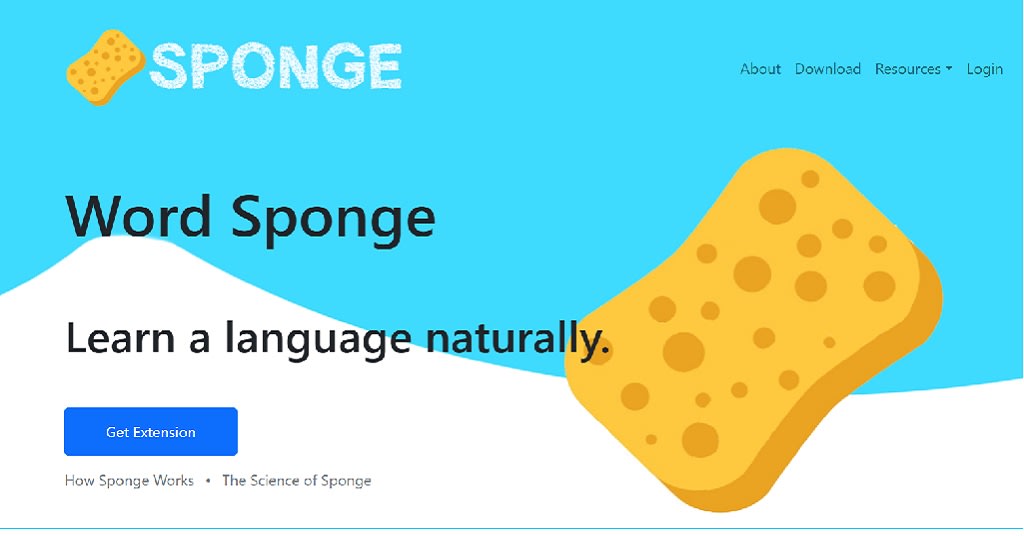
The Word Sponge empowers language learners to effortlessly build vocabulary and fluency through a seamless browser extension. Integrating real-time translations into your daily web browsing transforms everyday activities into engaging, personalized learning experiences. Accessible, intuitive, and tailored to your level, The Word Sponge makes language learning simple, fun, and effective—helping you achieve fluency on your terms.
Learning a new language is an exciting and rewarding journey that opens doors to new cultures, opportunities, and experiences. While it may seem challenging, adopting the right strategies can make the process enjoyable and effective. Below are detailed tips and techniques to help you on your language-learning journey.
1. Immerse Yourself in the Language
Immersion is often hailed as the most effective way to learn a new language. By surrounding yourself with the language in various forms, you can develop a deeper understanding of its nuances and cultural context. Here are some practical ways to immerse yourself:
Watch TV Shows and Movies: Streaming platforms offer a wealth of foreign-language content. Subtitles can help bridge the gap, and as you progress, try watching without them to challenge your comprehension.
Listen to Music: Explore songs in the language you’re learning. Pay attention to lyrics to improve vocabulary and pronunciation.
Read Books and Articles: Start with children’s books or simple articles, then gradually move to more complex materials like novels or news articles.
Engage in Conversations: Speaking with native speakers accelerates your learning. Language exchange programs, online communities, and local meetups are great places to start.
Change Your Settings: Adjust your phone, social media accounts, and even video games to the language you’re learning. This constant exposure helps reinforce vocabulary in a natural context.
Immersion doesn’t require travel; it’s about integrating the language into your daily routine. The more you engage, the faster you’ll pick up the language.
2. Practice, Practice, Practice
Practice is the cornerstone of language acquisition. Consistency and regular interaction with the language ensure steady progress. Here’s how to incorporate practice effectively:
Set Daily Goals: Dedicate specific times each day to practice speaking, writing, and listening. Short, consistent sessions are often more effective than infrequent, lengthy ones.
Use Apps and Tools: Language learning apps like Duolingo, Babbel, or Anki provide structured exercises and tracking features to keep you accountable.
Join Forums and Groups: Online platforms like Reddit or Facebook groups for language learners allow you to interact with others, share experiences, and practice with native speakers.
Language Exchanges: Partner with a native speaker who wants to learn your language. It’s a mutual learning experience that builds both language skills and friendships.
Explore New Topics: Push yourself to discuss unfamiliar subjects, as this expands your vocabulary and improves your conversational skills.
The key is to practice consistently and diversely. Repetition reinforces knowledge, but variety keeps you engaged and challenged.
3. Focus on Vocabulary and Grammar
A strong foundation in vocabulary and grammar is essential for effective communication. Here’s how to build and reinforce these skills:
Prioritize High-Frequency Words: Start with the most commonly used words and phrases. They’ll form the backbone of your conversations.
Use Flashcards: Apps like Quizlet or Anki make it easy to review vocabulary regularly. Spaced repetition ensures long-term retention.
Practice in Context: Memorizing words isn’t enough. Use them in sentences, conversations, or writing exercises to understand their usage.
Understand Grammar Rules: Study the basic grammatical structures and gradually move to more complex rules. A solid understanding of grammar enables you to construct meaningful sentences.
Play Language Games: Gamifying your learning with apps or board games makes learning grammar and vocabulary enjoyable and interactive.
Learning vocabulary and grammar together provides the tools you need to express yourself confidently in the new language.
4. Create a Learning Plan
A personalized learning plan is a roadmap that keeps you organized and focused on your goals. Here’s how to design an effective plan:
Set Clear Goals: Define what you want to achieve, such as conversational fluency, reading proficiency, or professional language skills.
Identify Strengths and Weaknesses: Tailor your plan to focus on areas that need improvement while leveraging your strengths.
Break It Down: Divide your goals into smaller, manageable tasks. For example, instead of “Learn Spanish,” focus on “Master 100 common verbs this month.”
Monitor Progress: Regularly assess your progress and adjust your plan as needed. This keeps you motivated and ensures steady improvement.
Stay Flexible: Life can be unpredictable, so build flexibility into your plan to accommodate unexpected changes.
A structured approach helps you stay disciplined and motivated throughout your language-learning journey.
5. Use Language Learning Tools
Modern technology offers a wealth of resources to enhance your language learning experience. Here’s how to make the most of these tools:
Interactive Apps: Platforms like Duolingo, Rosetta Stone, and Memrise provide comprehensive lessons for learners of all levels.
Flashcard Apps: Use apps like Anki or Quizlet for personalized vocabulary review.
Language Exchange Platforms: Websites like Tandem or HelloTalk connect you with native speakers for conversation practice.
Online Courses: Sites like Coursera or edX offer structured courses taught by experts.
Innovative Extensions: The Word Sponge browser extension is a unique tool that replaces words in your web browsing with words from the language you’re learning. This real-time immersion is both fun and effective.
Experiment with different tools to find what works best for you. A combination of traditional methods and modern technology often yields the best results.
Flexibility and Personalization
While these techniques are effective, it’s essential to remember that everyone learns differently. Here’s how to personalize your learning experience:
Experiment with Techniques: Don’t be afraid to try new methods. What works for others might not work for you, and vice versa.
Adjust as You Progress: As your skills improve, adapt your approach to focus on advanced topics or specific areas of interest.
Stay Motivated: Celebrate small milestones and remind yourself of the benefits of learning a new language, such as connecting with new cultures and opportunities.
Flexibility ensures that your language-learning journey remains enjoyable and effective.
For more info check our website at : Thewordsponge.com
About the Creator
Enjoyed the story? Support the Creator.
Subscribe for free to receive all their stories in your feed.
Comments
There are no comments for this story
Be the first to respond and start the conversation.