
Master Meditation: A Comprehensive Guide to Mindfulness Techniques
MINDFULNESS AND MEDITATION
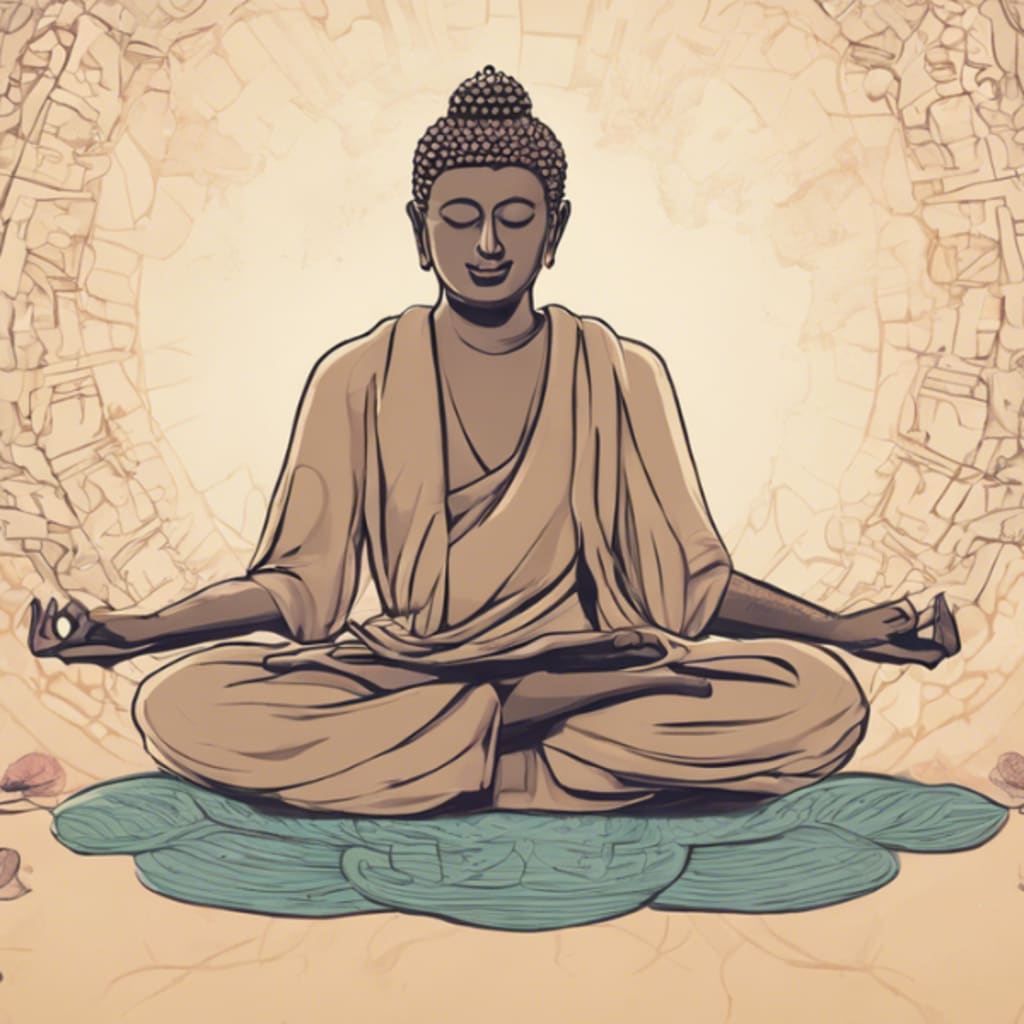
In the hustle and bustle of today's world, where the constant barrage of information and demands on our attention can lead to stress and mental exhaustion, meditation emerges as a powerful tool for returning to a state of balance and calm. It is more than just a practice for spiritual seekers; it has become a crucial technique for enhancing mental health, improving focus, and maintaining emotional equilibrium. By directing attention away from chaotic thoughts and towards a point of relaxation and concentration, meditation offers a method to cultivate mindfulness and a serene state of being, making it an indispensable practice for anyone looking to navigate life's challenges with grace and resilience.
Discover here a super effective and complete guide to MINDFULNESS AND MEDITATION for beginners
This comprehensive guide will delve into what meditation is, outlining its benefits on both mental health and physical well-being. It will explore basic meditation techniques suitable for beginners looking to embark on their mindfulness journey, as well as advanced practices for those seeking to deepen their meditation experience. From enhancing focus and attention to fostering a greater control over thoughts and emotional reactions, the forthcoming sections aim to equip readers with practical approaches to meditation, including mindfulness meditation, that cater to a myriad of needs and preferences. In doing so, this guide seeks to illuminate the path toward achieving a more focused, peaceful, and mindful existence.
What is Meditation?
Meditation is a practice that spans thousands of years, originally developed to deepen understanding of the mystical and sacred aspects of life. Today, it is primarily used to relax and reduce stress. As a type of mind-body complementary medicine, meditation enhances both physical and emotional well-being by allowing individuals to focus intensely on one element—such as a sound, image, or breath—while dismissing the intrusive stream of thoughts that cause stress [12].
Discover here a super effective and complete guide to MINDFULNESS AND MEDITATION for beginners
This practice involves various techniques aimed at achieving a calm, peaceful state of mind. During meditation, one might focus on deep, even-paced breathing using the diaphragm to expand the lungs, which helps slow breathing, take in more oxygen, and relax the upper body muscles [12]. A quiet environment can enhance the meditation experience, particularly for beginners, by reducing distractions [12]. Comfort is also crucial; whether sitting, lying down, or walking, maintaining good posture during meditation can help one achieve the most from their practice [12].
Meditation is not only about achieving relaxation but also about maintaining an open attitude. Letting thoughts pass through the mind without judgment is a fundamental aspect of the practice, which helps in cultivating a stable, peaceful mental state [12].
The techniques of meditation are broadly classified into focused and open monitoring methods. Focused techniques concentrate on a specific object, like breath or mantras, while open monitoring involves mindfulness and awareness of mental events without attachment [8].
Discover here a super effective and complete guide to MINDFULNESS AND MEDITATION for beginners
Historically, meditation has roots in various religious traditions including Jainism, Buddhism, and Hinduism, each incorporating it in different forms to cultivate deeper spiritual awareness and mental clarity [8]. In modern times, the benefits of meditation have been recognized globally, leading to its integration into non-spiritual settings like business and health, where it is used to manage stress, anxiety, and enhance overall well-being [8].
Benefits of Meditation
Improving Mental Health
Meditation significantly impacts mental health by enhancing the brain's ability to manage stress and reduce anxiety, which are common triggers for depression. Regular meditation practice has been shown to alter brain regions linked with depression, such as the medial prefrontal cortex and the amygdala, helping to reduce their hyperactivity and potentially lessen depressive symptoms [18]. Additionally, meditation supports sustained focus and helps individuals return to a state of concentration when disrupted by negative thoughts or emotions [18]. Studies also indicate that meditation can sever the negative feedback loop between stress and anxiety by diminishing the connection between critical brain areas responsible for these emotions [18].
Enhancing Physical Health
Meditation contributes to physical well-being by improving various health markers. Research demonstrates that meditation can help reduce blood pressure and cholesterol levels, manage diabetes, and support heart health [19]. It also aids in increasing the volume of gray matter in the hippocampus.
Discover here a super effective and complete guide to MINDFULNESS AND MEDITATION for beginners
About the Creator
Enjoyed the story? Support the Creator.
Subscribe for free to receive all their stories in your feed.
Comments
There are no comments for this story
Be the first to respond and start the conversation.