
Managing Type 2 Diabetes: A Comprehensive Guide
Everything You Need to Know to Take Control of Your Health and Live a Fulfilling Life with Type 2 Diabetes.
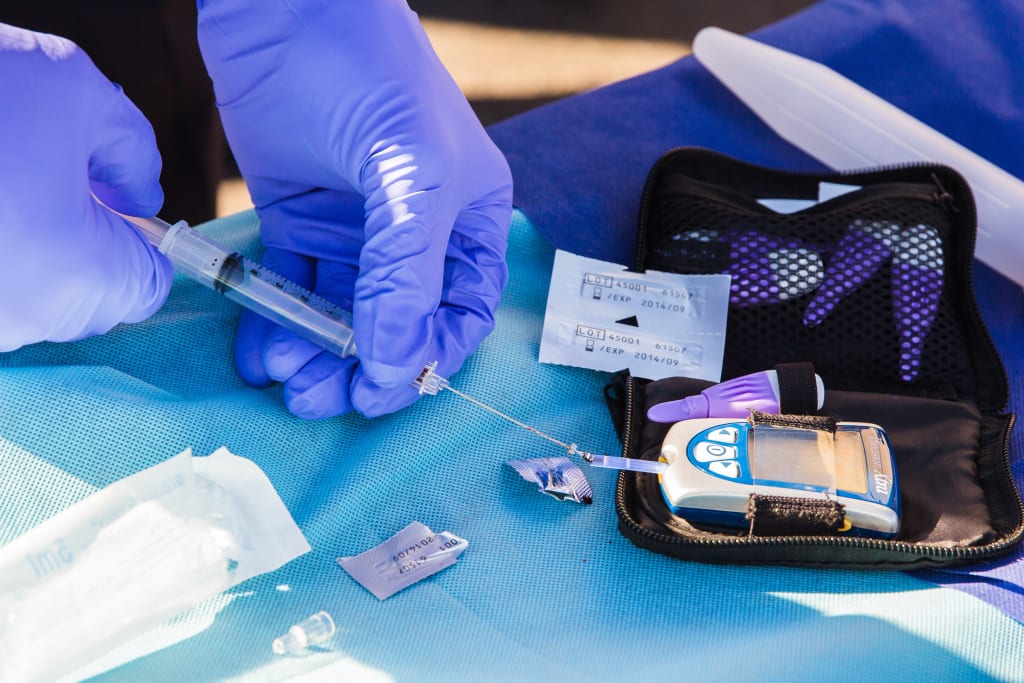
Type 2 Diabetes is a chronic health condition that affects millions of people worldwide. It can cause serious health complications and is caused by an inability to properly regulate blood sugar levels. Managing Type 2 Diabetes can be challenging, but it is possible with the right strategies and tools. In this comprehensive guide, we will provide you with the information you need to successfully manage your diabetes and identify early warning signs. We will discuss topics such as diet, lifestyle changes, medications, monitoring your blood sugar levels, and more. By following this guide, you will be well-equipped to live a healthy life with diabetes.
Understand the basics of diabetes
Diabetes is a chronic disease that affects how your body processes glucose, the sugar in your blood. When you have diabetes, your body either doesn't produce enough insulin or doesn't use it properly. Insulin is a hormone that regulates glucose levels in the blood and helps your body use it for energy.
There are two main types of diabetes: type 1 and type 2. Type 1 diabetes is usually diagnosed in children and young adults and occurs when the body's immune system attacks and destroys the insulin-producing cells in the pancreas. Type 2 diabetes is the most common form of diabetes and typically develops in adults. In type 2 diabetes, the body either doesn't produce enough insulin or becomes resistant to its effects.
If left untreated, diabetes can cause serious health complications, such as heart disease, kidney disease, nerve damage, and blindness. It's important to understand the basics of diabetes so you can take steps to manage it effectively.
Symptoms of diabetes include frequent urination, increased thirst, blurred vision, fatigue, and slow healing of cuts or wounds. However, some people with type 2 diabetes may not experience any symptoms at all.
If you think you may be at risk for diabetes, it's important to get screened. This can involve a simple blood test to check your glucose levels. Early detection and management of diabetes can prevent or delay complications.
In the next sections, we'll explore how to manage type 2 diabetes, including ways to maintain healthy blood sugar levels, adopt a healthy diet, and incorporate regular exercise into your routine. We'll also discuss the importance of monitoring your blood sugar levels and getting regular checkups.
Learn about the different types of diabetes
Diabetes is a chronic disease that affects how your body processes glucose (sugar). There are three main types of diabetes: type 1, type 2, and gestational diabetes. Each type is caused by different factors and has different symptoms, treatments, and outcomes.
Type 1 diabetes is an autoimmune disease where the body's immune system attacks and destroys the cells in the pancreas that produce insulin. This type of diabetes usually develops in children and young adults, and people with type 1 diabetes must take insulin every day to manage their blood sugar levels.
Type 2 diabetes is the most common type of diabetes, accounting for about 90-95% of all cases. It develops when the body becomes resistant to insulin or doesn't produce enough insulin to regulate blood sugar levels. Type 2 diabetes can be managed through lifestyle changes, medication, and insulin therapy.
Gestational diabetes develops during pregnancy and affects about 2-10% of pregnant women. It usually goes away after the baby is born, but women who have had gestational diabetes are at a higher risk of developing type 2 diabetes later in life.
Understanding the different types of diabetes is important because each type requires a different approach to management and treatment. If you have been diagnosed with diabetes, talk to your healthcare provider about which type you have and what you can do to manage it effectively.
Identify your risk factors for type 2 diabetes
It's important to understand that certain factors can increase your risk for developing type 2 diabetes. These risk factors include age, family history, obesity, physical inactivity, and a diet high in processed foods and sugar.
If you are over 45 years old, have a family history of diabetes, or are overweight or obese, it's especially important to monitor your blood sugar levels and take steps to prevent or manage diabetes.
Other risk factors include high blood pressure, high cholesterol, and polycystic ovary syndrome (PCOS). Women who have had gestational diabetes during pregnancy are also at increased risk for developing type 2 diabetes later in life.
By identifying your risk factors, you can take proactive steps to prevent or manage diabetes. This may include making lifestyle changes, such as eating a healthier diet and increasing physical activity, as well as getting regular checkups and screenings for diabetes. Remember, early detection and intervention can help you avoid complications and live a healthy, active life with type 2 diabetes.
Get screened for diabetes
If you suspect you may have type 2 diabetes or have risk factors, getting screened is crucial. Early detection and treatment can help prevent or delay complications.
Screening for type 2 diabetes involves a blood test that measures your blood sugar levels. Your doctor may also take into account your symptoms and medical history to make a diagnosis. It’s recommended that adults get screened every three years if they are over 45 or have risk factors, such as being overweight, having a family history of diabetes, or having high blood pressure.
In some cases, your doctor may recommend more frequent screening or additional tests, such as an A1C test or oral glucose tolerance test.
It’s important to note that some people may not show symptoms of type 2 diabetes in the early stages. That’s why regular screenings are key, especially if you have risk factors.
If you are diagnosed with type 2 diabetes, your doctor will work with you to create a personalized treatment plan to manage your condition. Don’t hesitate to ask questions and get support from your healthcare team. Overall, getting screened for type 2 diabetes is a proactive step in managing your health and preventing complications.
Managing your blood sugar levels is one of the most important aspects of living with type 2 diabetes. Uncontrolled blood sugar levels can lead to serious complications, such as nerve damage, heart disease, and kidney damage.
Here are some tips for managing your blood sugar levels:
1. Check your blood sugar levels regularly. You should check your blood sugar levels at least once a day, but your healthcare provider may recommend more frequent testing.
2. Take your medications as prescribed. If your healthcare provider has prescribed medication to help manage your blood sugar levels, it’s important to take it as directed. Medications such as Metaceptine and GlucoFreeze can balance out blood sugar levels.
3. Watch what you eat. Eating a healthy diet that’s rich in whole grains, vegetables, fruits, and lean proteins can help keep your blood sugar levels in check.
4. Stay active. Regular exercise can help lower your blood sugar levels, so try to get at least 30 minutes of physical activity most days of the week.
5. Manage stress. Stress can cause your blood sugar levels to spike, so it’s important to find ways to manage stress, such as practicing yoga, meditation, or deep breathing exercises.
6. Stay hydrated. Drinking plenty of water can help keep your blood sugar levels stable.
Managing your blood sugar levels takes effort, but it’s well worth it to prevent serious complications down the line. Work closely with your healthcare provider to develop a personalized management plan that’s right for you.
Take medication as prescribed
If you have been diagnosed with type 2 diabetes, you may be prescribed medication by your doctor to help manage your blood sugar levels. It's important that you take these medications exactly as prescribed, to ensure that they are working effectively and to avoid any potential complications.
Some common medications used to treat type 2 diabetes include:
- DPP-4 inhibitors
- GLP-1 receptor agonists
- SGLT2 inhibitors
Each medication works in a slightly different way to help control blood sugar levels, and your doctor will determine which medication(s) are right for you based on your individual needs and medical history.
It's important to take these medications at the same time each day, as instructed by your doctor or pharmacist. Some medications should be taken with food, while others should be taken on an empty stomach. Make sure to read the instructions carefully and ask your healthcare provider if you have any questions.
In addition to taking your medication as prescribed, it's important to keep track of any potential side effects. Some medications can cause stomach upset, headaches, or other symptoms. If you experience any side effects, talk to your doctor about adjusting your dosage or switching to a different medication.
Remember, medication is just one piece of the puzzle when it comes to managing type 2 diabetes. It's important to also follow a healthy diet, get regular exercise, and monitor your blood sugar levels to keep your diabetes under control. With the right combination of lifestyle changes and medication, you can live a full and active life with type 2 diabetes.
Eat a healthy diet
Eating a healthy and balanced diet is essential for managing type 2 diabetes. A diet that is high in fiber and low in processed foods can help regulate blood sugar levels and promote overall health. Here are some tips for building a diabetes-friendly diet:
1. Focus on whole foods: Eat plenty of fruits, vegetables, lean proteins, and whole grains. Avoid processed foods that are high in sugar, salt, and unhealthy fats.
2. Watch your carbohydrates: Carbohydrates have a significant impact on blood sugar levels, so it's essential to monitor your intake. Choose complex carbs like whole grains, fruits, and vegetables, and limit simple carbs like sugary drinks, sweets, and white bread.
3. Pay attention to portion sizes: Eating too much of anything can lead to weight gain, which can make managing diabetes more challenging. Use measuring cups and a food scale to keep track of portion sizes, especially when it comes to carbohydrates.
4. Limit saturated and trans fats: Saturated and trans fats can raise cholesterol levels and increase the risk of heart disease. Choose healthy fats like those found in nuts, seeds, and fatty fish, and avoid foods high in saturated and trans fats like red meat and processed snacks.
5. Drink plenty of water: Staying hydrated can help regulate blood sugar levels and prevent overeating. Aim for at least eight cups of water per day, and avoid sugary drinks like soda and fruit juice.
In addition to making healthy food choices, it's important to develop a regular eating routine. Try to eat at consistent times throughout the day, and avoid skipping meals or snacks. Working with a registered dietitian can also be helpful in creating a personalized meal plan that fits your individual needs and preferences. Another popular diet for managing type 2 diabetes is the ketogenic or "keto" diet. This low-carb, high-fat diet can help control blood sugar levels and promote weight loss. However, it's essential to work with a healthcare professional before starting the keto diet, as it may not be suitable for everyone, especially those with a history of kidney or liver problems.
In addition to a healthy diet, some people with type 2 diabetes may benefit from taking dietary supplements. However, it's important to speak with a healthcare professional before starting any supplement regimen, as some may interfere with medications or have unwanted side effects. Some supplements that may be helpful for managing diabetes include:
The Ultimate Keto Meal Plan, which can be a valuable tool for people looking to combat diabetes and maintain a healthy diet. Firstly, the plan is based on the ketogenic diet, which has been shown to be effective in controlling blood sugar levels and improving insulin sensitivity, both of which are crucial in managing diabetes. Secondly, the meal plan provides a wide variety of nutritious, low-carb foods that can help individuals maintain a healthy weight, which is important in reducing the risk of developing type 2 diabetes. Thirdly, the plan is easy to follow and customizable, making it suitable for individuals with different dietary needs and preferences. Fourthly, the meal plan includes delicious and satisfying meals, which can help individuals adhere to the plan in the long term, making it easier to maintain healthy eating habits. Lastly, the ultimate keto meal plan comes with expert guidance and support, which can be particularly helpful for individuals who are new to the ketogenic diet and need extra guidance and motivation to stay on track.
Exercise regularly
One of the most effective ways to manage type 2 diabetes is through regular exercise. Exercise helps lower blood sugar levels and improve insulin sensitivity. Additionally, it can help with weight loss and improve cardiovascular health, both of which are important factors in managing diabetes.
The American Diabetes Association recommends at least 150 minutes of moderate-intensity aerobic exercise per week, spread out over at least three days. Some examples of moderate-intensity exercise include brisk walking, cycling, or swimming. Additionally, it is recommended to incorporate strength training exercises at least twice per week to build muscle mass and improve overall health.
Before starting an exercise routine, it is important to consult with your healthcare provider to determine what exercises are safe for you to do and how to properly monitor your blood sugar levels during and after exercise. It is also important to wear proper footwear and clothing, stay hydrated, and take breaks as needed.
Finding a physical activity that you enjoy can make it easier to stick to an exercise routine. This could include joining a group fitness class, finding a workout buddy, or incorporating physical activity into your daily routine, such as taking the stairs instead of the elevator.
Monitor your blood sugar levels
Monitoring your blood sugar levels is an essential part of managing type 2 diabetes. It helps you understand how different factors, such as food, exercise, and stress, affect your blood sugar levels. This information will allow you to make the necessary adjustments to your diet, exercise routine, and medication to keep your blood sugar levels in check.
There are different ways to monitor your blood sugar levels, including self-monitoring with a glucose meter or continuous glucose monitoring (CGM) systems. Self-monitoring involves pricking your finger to collect a drop of blood and measuring your blood sugar levels with a glucose meter. CGM systems, on the other hand, involve inserting a small sensor under your skin that measures your blood sugar levels continuously and sends the information to a monitor or smartphone app.
Talk to your healthcare provider to determine which method is best for you. They can also help you set a target range for your blood sugar levels and provide guidance on how often to check your levels.
In addition to monitoring your blood sugar levels regularly, you should also keep a record of your readings. This will allow you to see patterns and trends over time, making it easier to identify any changes or areas where you may need to make adjustments. You can also share this information with your healthcare provider during check-ups to make more informed decisions about your diabetes management plan.
About the Creator
Enjoyed the story? Support the Creator.
Subscribe for free to receive all their stories in your feed.
Comments
There are no comments for this story
Be the first to respond and start the conversation.