
Mal-Illumination: The Hidden Health Crisis and How Red Light Therapy Can Help
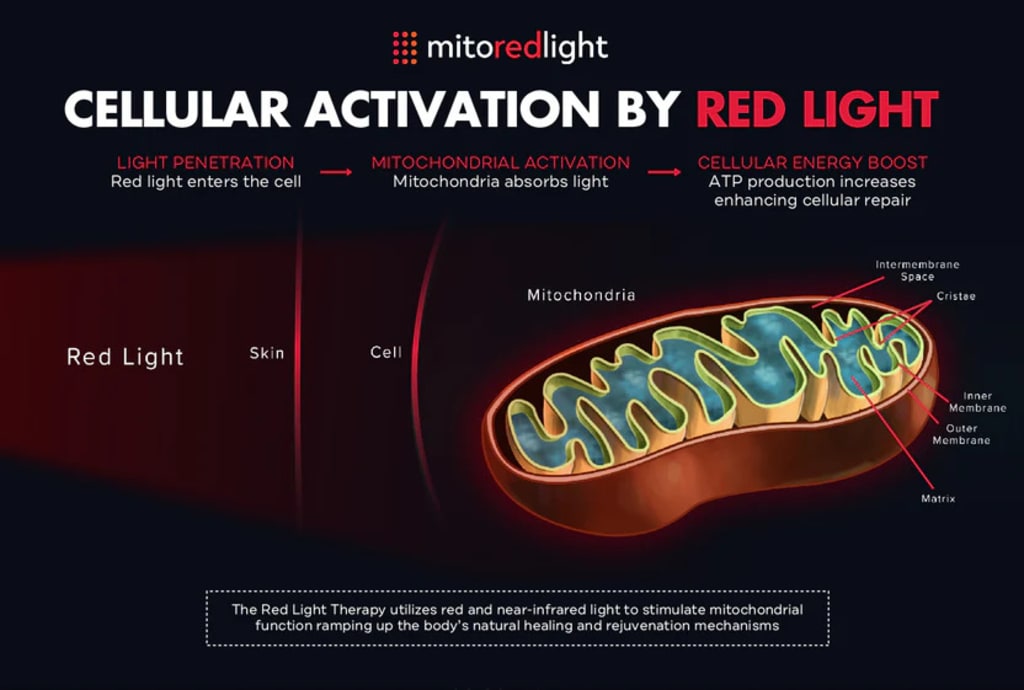
With the speed at which technology is charging, today light comes to be almost the most tremendously neglected health hazard. Mal-illumination is exposed to improper or inadequate lighting. These days, it has increasingly progressed, especially because people spend about 99% of their time indoors. While lighting is an energy source for most biological processes and development, relying on too much artificial light while restricting the entry of outdoor light deprives the user of some benefits of sunlight, the most critical losses being the red and near infrared parts, which are associated with some health-promoting facilities of sunlight. This raises the question: does red light therapy work as an alternative to compensate for these lost wavelengths?
The Solar Spectrum and Its Importance
Different wavelengths comprise natural sunlight. Each plays an important role in human well-being:
Components of Natural Light.
- UV (Ultraviolet) Light: UVB wavelengths permit vitamin D formation, which is beneficial for bones and immunity and also helpful in regulating mood.
- Acceptable Light: Blue Light: essential for regulating the sleep-wake cycle. Red Light: penetrates deeply into tissues and skin. Acts for repair and rejuvenation of cells.
- Infra-red Light: It is penetrated by the near infrared light (NIR), which goes in even beyond the red, and plays a major part in altering the energy production in cells.
Why Red and Near-Infrared Light Matter
That light is red and infrared light specific to particular cells in mitochondria and stimulated ATP production. As far as ATP is concerned, red and near-infrared light have become the mainstays of cellular homeostasis since its highly active use includes processes in tissue repair as well as inflammation reduction.
Indoor life does not allow sufficient exposure to sunlight, for limited sunlight, stays indoors most of the time in homes, offices. It indeed proves that he protects himself against the harrowing harmful rays of UV but also secures himself within these four walls, depriving him of exposure to another spectrum of light, red and near-infrared wavelengths.
The latest energy-efficient designs of windows also block the incoming heat but also induce filtration of some light necessary for the body for health. Indoor clothing as well as sunscreen reduces the absorption of light even when one sets foot outdoors.
Possible effects of reduced sunlight exposure include the following:
- Vitamin D Deficits :Insufficient levels of vitamin D due to limitations in UVB have increased risks of osteoporosis, depression, and poor immunity.
- Sleep Cycle Changes: Reduced exposure to blue light during the day and total excess exposure to artificial blue light at night tend to disturb the body's natural circadian rhythms contributing to poor sleep quality.
- Non Energy production in Cells: The absence of red and near-infrared light decreases the ability for ATP production in cells causing them to work with less energy.
How Red and Near-Infrared Light Therapy Can Help
How Does Red light therapy work? red light and near-infrared light treatments often recommended as a remedy for malillumination. Here is Red Light Therapy and Its Operation: Red light therapy brings wavelengths from 630 to 850 nm to contact the skin to access the mitochondria. The wavelengths penetrate skin cells, stimulating the photoreceptors to induce ATP production in every microcosm.
A Broad Range of Cell Benefits Besides red blood cells, most of the cells in the human body contain mitochondria. Because of this fact, the red light therapy may be regarded as offering benefits in a range that is wide:
- Healing of Injuries: The speed of tissue repair and regeneration increases. Muscle Recovering: Improves circulation and reduces inflammation, making it a favorite among athletes.
- Skin health - boosting collagen production which increases elasticity while reducing wrinkles.
- Pain Relief: Chronic pain may be improved as inflammation decreases and cellular restoration gets better.
Light Therapy Devices as a Solution
With the urge of modern requirements red light small appliances will not fully replace exposure into bright sunlight but could very well bring many people close to it while ameliorating the demands of an indoor lifestyle.
Red light Panels
These are giant high watts of new devices made to be used in full body exposure. It gives out a different kind of light infusion, namely red and near infrared. Hence, it is appropriate for almost every treatment-from skin rejuvenation to muscle recovery.
Portable and Targeted Devices
For those who sit back and want everything small, they come with smaller forms of red light therapy devices and masks focusing on specific areas like the face, neck, or even some joints.
Why would red light therapy devices be preferred?
1. Natural sunlight impersonification:
Since the sun covers all possible wavelengths, even using ultraviolet rays for creating beneficial ones, red light therapy devices have now taken this exercise from the sun to create their wavelengths without harmful rays, more or less.
2. Convenient and Safe:
Now anyone can integrate therapy lights into everyday life, wherever and whatever the schedule is.
Conclusion
Indeed, the mere dim light itself could act as an indirect alarm, a nonacoustic alarm. Mal-illumination should probably bring into light yet another general health concern: rather low exposure to daylight. One is left within the confines of indoor lifestyles and deprived of full affinity with sunlight, if its wavelengths should be red and of near-infrared, the requisite wavelengths for cellular energy and overall health.
There is complete compensation of this deficiency by red light therapy, both practical and effective. It could be done using red light panels, and several other red light therapy devices to restore balance, increase ATP production, and maintain all the healthy applications of red and near-infrared light. Avoid mal-illumination; experience Red Light Therapy and walk your path toward a brighter, healthier future.
About the Creator
Enjoyed the story? Support the Creator.
Subscribe for free to receive all their stories in your feed.
Comments
There are no comments for this story
Be the first to respond and start the conversation.