
Making Your Home More Energy Efficient
Jenelle La Chuisa explores ways to make your home more energy efficient.

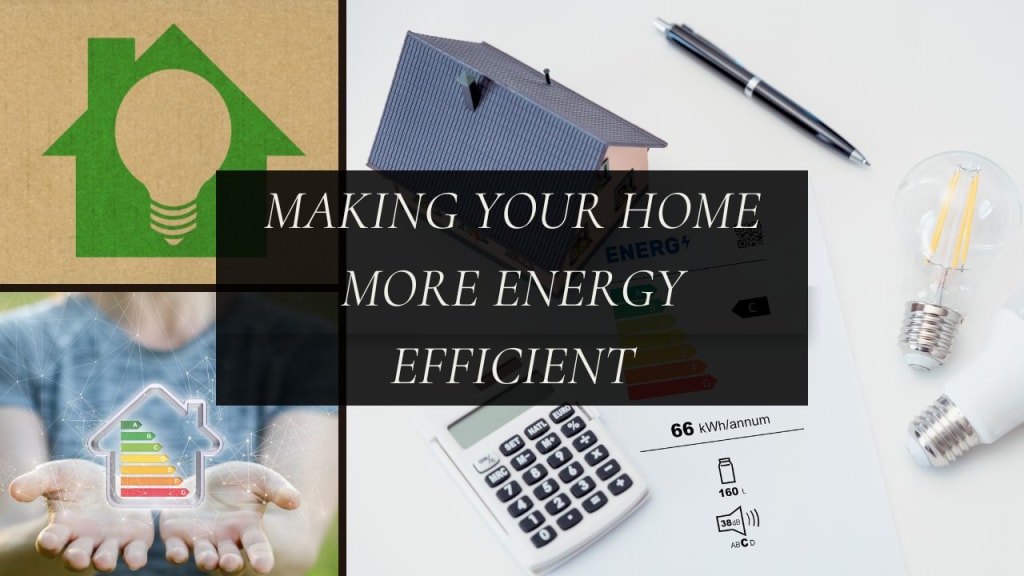
As concern for the environment continues to grow, more homeowners are researching new ways to make their homes more energy efficient. Energy efficiency is great for the planet. It can also save homeowners money on their energy bills. Contrary to popular belief, making your home more energy efficient doesn't require a huge overhaul. A few simple changes can create a more comfortable and sustainable living space.
This article will explore some of the most effective tips and strategies for reducing energy consumption and making your home more environmentally friendly. These tips can help you achieve your goals.
Upgrade to Energy-Efficient Appliances
Energy-efficient appliances use less energy and water than older models, saving you money on utility bills. Homeowners should look for appliances with the ENERGY STAR label. This label means the appliance meets the guidelines set by the U.S. Environmental Protection Agency. Some energy-efficient appliances to consider upgrading include refrigerators, washing machines, and dishwashers.
Seal Air Leaks
Air leaks can make your home less comfortable and increase your energy bills. Sealing air leaks can help keep your home at a consistent temperature and reduce the strain on your HVAC system. Common areas where air leaks occur include windows, doors, and electrical outlets. You can seal these areas with weather stripping, caulking, or foam sealant.
Install a Programmable Thermostat
A programmable thermostat is another energy-efficient alternative. It allows you to set the temperature in a home based on your schedule. You can set the temperature lower during the day when you're at work or asleep and higher when you're home and awake. This can save you money on your energy bills without sacrificing comfort.
Use Energy-Efficient Lighting
LED light bulbs use up to 75% less energy as opposed to traditional incandescent bulbs. They can also last up to 25 times longer. Switching to energy-efficient lighting saves money on your energy bills and reduces your carbon footprint. You can also install motion sensors or timers to turn off lights when they're not in use automatically.
Insulate Your Home
Insulating your home can help keep the temperature stable, reducing the strain on your HVAC system. Common areas to insulate include attics, walls, and basements. You can use fiberglass, cellulose, or foam insulation materials to insulate these areas.
Use Natural Ventilation
Natural ventilation can help reduce the need for air conditioning and improve indoor air quality. Opening windows and doors to let fresh air in or installing ventilation fans in bathrooms and kitchens to remove stale air is a quick and easy fix. Natural ventilation can also help reduce moisture buildup, leading to mold growth and other issues.
Use Energy-Efficient Window Coverings
Window coverings like shades and blinds can help block out sunlight and keep your home cooler during the summer. You can also use window films or Low-E coatings to reduce the heat entering your home. Energy-efficient window coverings can help reduce your energy bills and make your home more comfortable.
Install Solar Panels
Installing solar panels can help you generate renewable energy. This will help reduce your reliance on the grid. This can save money on energy bills. It may even increase the value of your home. If you're interested in installing solar panels, research local regulations and incentives to see if it's feasible.
Making your home more energy efficient serves many purposes. For example, it can save money on energy bills. Likewise, it can reduce your carbon footprint. By upgrading to energy-efficient appliances, sealing air leaks, installing a programmable thermostat, using energy-efficient lighting, insulating your home, using natural ventilation, using energy-efficient window coverings, and installing solar panels, you can create a more comfortable and sustainable living space.
About the Creator
Jenelle La Chuisa
Jenelle La Chuisa, a talented litigator and arbitrator, lives in Ft. Lauderdale and currently practices at Hinshaw & Culbertson LLP. Visit JenelleLaChuisa.net.
Enjoyed the story? Support the Creator.
Subscribe for free to receive all their stories in your feed.
Comments
There are no comments for this story
Be the first to respond and start the conversation.