
Maintain your Blood Sugar level:
Easy Tips for your Health

How to maintain your blood sugar level? Managing my blood sugar levels is key for my health. It helps prevent long-term health problems. If you're looking to keep your blood sugar in check, I've got some helpful tips. Healthy habits are important for everyone, not just those with diabetes. They help keep your energy steady and avoid health risks from unstable glucose levels.
Effective diabetes management comes from making smart lifestyle choices. This includes what you eat and how often you check your levels.
Using these tips, I can manage my blood sugar better. This improves my overall well-being every day.
Key Takeaways
- Regularly monitor your blood sugar levels for better management.
- Incorporate healthy eating habits to support glucose stability.
- Understand the effects of stress on blood sugar levels.
- Stay hydrated to promote overall health.
- Prioritize quality sleep to aid in glucose regulation.
- Consider natural supplements for additional support.
- Controlling blood sugar levels naturally is very important
- The Importance of Maintaining Balanced Blood Sugar
Keeping my blood sugar levels in check is key to my health. Fluctuations can lead to serious issues like heart disease and nerve damage. I know my choices affect my blood sugar. Using smart tips helps me stay healthy.
Knowing how food, exercise, and stress impact my body helps me stabilize my blood sugar. Regular workouts help control my glucose and boost my energy. Avoiding processed sugars and eating whole foods helps me stabilize my blood sugar.
- Monitoring my carb intake prevents blood sugar spikes.
- Eating regularly keeps my energy steady all day.
Practicing mindfulness and reducing stress are crucial for my health.
Being mindful of my habits helps me make better choices for my blood sugar. Putting effort into my health now means a better life later. It keeps me energetic and full of life.
Understanding Blood Glucose and Insulin
Understanding blood glucose starts with seeing how carbs and sugars in my food affect my blood sugar. After digestion, glucose gets into my bloodstream. That's when insulin, made by the pancreas, helps my cells use it for energy.
In Type 2 diabetes, my body doesn't use insulin well. This makes my blood sugar levels go up. I need to watch my blood sugar closely by getting regular check-ups. Knowing about blood glucose helps me understand how it affects my daily life.
To keep my blood sugar in check, I watch how different foods affect my glucose levels. Tracking my fasting blood glucose helps me make better health choices. Being proactive about blood glucose management leads to a healthier life.

Signs of High and Low Blood Sugar
It's key to know the signs of high blood sugar for my health. When sugar levels go up, I might feel:
- Frequent urination
- Increased thirst
- Fatigue
- Blurred vision
Spotting these signs lets me make changes to manage my blood sugar better.
Low blood sugar also has its own set of symptoms. These include:
- Dizziness
- Shakiness
- Irritability
Seeing these signs makes me check my blood sugar closely and get help if needed.

How to Maintain Your Blood Sugar Level
Keeping my blood sugar levels in check is key to my health. I do this by monitoring my levels often and quickly spotting any issues. Good blood sugar regulation techniques and strategies for managing blood sugar are crucial for my health and happiness.
Regular Monitoring of Blood Sugar Levels
It's important to check my blood sugar levels often. This lets me see how different foods and activities affect me. I use a glucometer to track my levels all day.
This helps me spot patterns and make better choices about what I eat and do. For example, I check my levels after meals. This shows me which foods make my glucose go up. Knowing this helps me plan meals that keep my levels stable.
Recognizing Symptoms
Knowing the signs of blood sugar changes is also key. Feeling shaky, dizzy, or thirsty are signs I need to act fast. I keep glucose tablets or juice handy for these times.
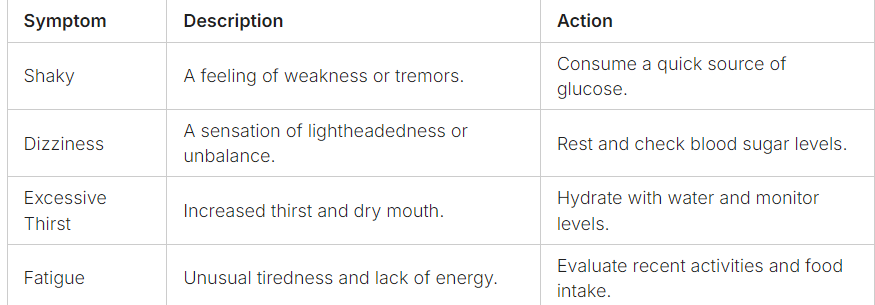
By sticking to these strategies, I can manage my health better and live a fuller life.
Healthy Eating Habits for Blood Sugar Control
Creating healthy eating habits is key to managing blood sugar levels and optimum blood sugar levels maintenance. I focus on eating high-fiber foods and controlling carb intake. This approach boosts my health and well-being.
Choosing High-Fiber Foods
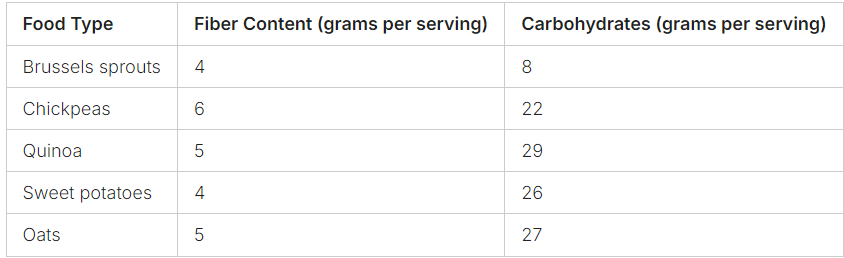
High-fiber foods help keep blood sugar stable. Foods like vegetables, whole grains, and legumes slow down sugar absorption. Great options include:
- Brussels sprouts
- Chickpeas
- Quinoa
- Sweet potatoes
- Oats
Adding these foods to my diet keeps my blood sugar balanced and blood sugar control strategies. This makes me feel more energetic and avoids blood sugar spikes or crashes.
Managing Carb Intake
Controlling carb intake has changed the game for me. I count carbs and choose unprocessed sources. This helps me avoid big blood sugar spikes. Here are some tips:
- Read nutrition labels to track carb content.
- Pick low-glycemic foods like whole grains and veggies.
- Plan meals with protein and healthy fats to lower glycemic load.
This careful carb management helps me develop healthy eating habits. It leads to better blood sugar control and overall health.
Exercise: A Key to Blood Sugar Management
Regular exercise is key for managing blood sugar levels. It makes my body better at using insulin, which helps control glucose. Adding exercise to my daily routine boosts my fitness and keeps my blood sugar stable.
Benefits of Regular Physical Activity
Exercise does more than help with weight control. It has many benefits for managing blood sugar:
- Improved insulin sensitivity - This means my body uses glucose better.
- Lowering blood sugar levels - Working out regularly helps keep my blood sugar in check.
- Weight management - Staying at a healthy weight helps keep my blood sugar stable.
- Enhanced mental health - Exercise also boosts my mood and reduces stress, which affects blood sugar.
Types of Exercise to Consider
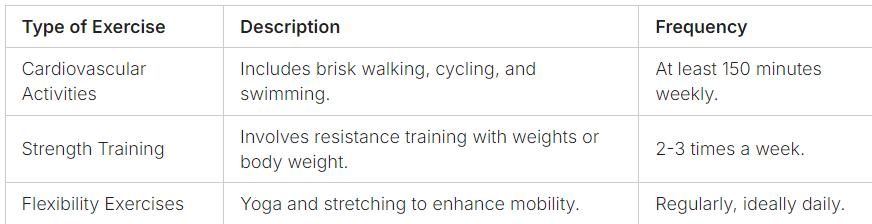
I mix up my workouts to keep things fun and effective. Here are some exercises I find helpful:
Stress Management Techniques
Managing stress is key to keeping my blood sugar levels healthy. Stress can mess with my body's ability to control blood glucose. Knowing how stress affects blood sugar helps me take steps to stay balanced.
Effects of Stress on Blood Sugar Levels
Stress makes my body release hormones like cortisol and adrenaline. These hormones make my liver produce more glucose. This can raise my blood sugar levels. It's important to manage stress to keep my blood sugar in check.
Methods to Reduce Stress
Adding certain habits to my daily life can help reduce stress and boost my health. Here are some effective ways:
- Meditation: Meditation calms my mind and lowers anxiety.
- Physical Activity: Regular exercise improves my mood and helps control blood sugar.
- Journaling: Writing down my thoughts and feelings helps me process emotions and see things.
- Deep Breathing Techniques: Deep breathing activates my body's relaxation response.
- Time in Nature: Being outdoors lifts my mood and reduces stress.
Using these methods regularly helps me handle stress better and fight its bad effects on blood sugar levels.
Hydration and Its Impact on Blood Sugar
Drinking enough water is key to keeping my blood sugar stable. If I don't drink enough, my body can't work right. This leads to ups and downs in blood sugar that aren't good for me.
This part talks about why drinking water is important for checking my blood sugar.
Importance of Staying Hydrated
Drinking water helps my kidneys get rid of extra sugar by making urine. This stops dehydration, which can mess with my blood sugar levels. Studies show that drinking enough water can help control blood sugar levels.
Also, staying hydrated makes my body more sensitive to insulin. Insulin is key for managing blood sugar. So, drinking enough fluids helps my body handle sugar better. It's crucial to keep my fluids up to keep my blood sugar stable all day.
Prioritizing Quality Sleep
Quality sleep is key to managing blood sugar levels. Not getting enough rest can make insulin resistance worse, leading to high blood sugar. Making sleep a priority helps my health and keeps my blood sugar in check.
How Sleep Affects Blood Sugar Levels
Studies show a strong link between sleep and blood sugar. Not sleeping well can throw off hormone balances, making more cortisol, a stress hormone. This messes with how glucose is used, causing blood sugar to swing wildly. Getting 7 to 8 hours of sleep each night helps keep my blood sugar stable and healthy.
Tips for Improving Sleep Quality
To get better sleep, I follow these tips:
- A regular sleep schedule helps my body know when it's time to sleep.
- Reducing screen time before bed cuts down on blue light, helping my body make melatonin.
- Creating a calm sleep space, dark and quiet, makes sleeping easier.
These habits have made my sleep better, which in turn helps my blood sugar levels.

The Role of Natural Supplements in Blood Sugar Regulation
I've been looking for ways to keep my blood sugar healthy. I found out that natural supplements can help. Sugar Defender is one supplement that caught my eye. It has ingredients that support healthy blood sugar levels, making it a great choice for me.
Overview of Sugar Defender
With Sugar Defender, I can take charge of my blood sugar. It has herbs and nutrients that help with glucose levels. Adding this to my daily routine helps my body manage sugar better, which is good for my health.
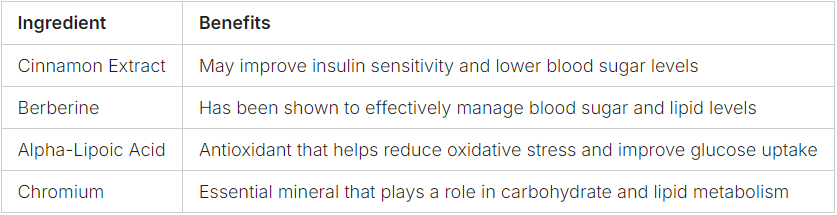
Choosing Sugar Defender has helped me control my blood sugar and feel more energetic. Using natural supplements for blood sugar has changed my life for the better.
Long-Term Strategies for Optimum Blood Sugar Level Maintenance
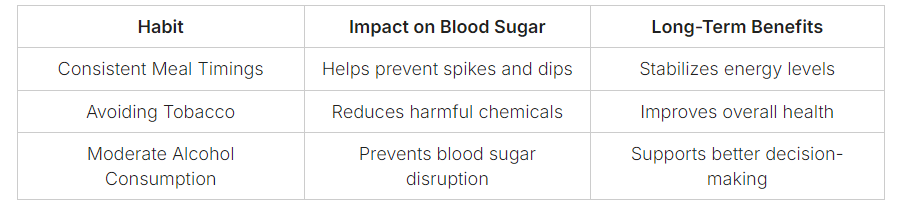
For my health, it's key to have long-term plans for managing blood sugar. I've learned that eating at the same times every day helps my body keep blood sugar stable. This way, I avoid big ups and downs in my blood sugar levels.
Consistent Meal Timings
Having a regular eating schedule keeps my blood glucose from going wild. I try to eat at the same time every day. This helps my body get ready for food and keeps my blood sugar in check. It's a good habit that keeps me healthy.
Avoiding Tobacco and Excessive Alcohol
I need to avoid tobacco and too much alcohol for my health. These habits can mess with my blood sugar balance. So, I stick to moderation and make healthier choices. This helps me keep my blood sugar stable. If you want to control your blood sugar level without abandoning your favorite meal, try Sugar Defender.
Conclusion
Keeping blood sugar levels healthy is key to our well-being. This article has shown how to manage blood sugar through lifestyle changes. These include eating right, staying active, managing stress, and using natural supplements.
By adding these tips to my daily life, I can live a balanced life. This balance helps me keep my blood sugar stable and improves my overall health. Checking my blood sugar regularly helps me make smart health choices.
By focusing on my health, I see big improvements in my body and mind. I encourage everyone to try these methods to manage their blood sugar. With a mix of diet, exercise, rest, and supplements, I can see long-term health gains. With effort and knowledge, I can lead a healthier life. If you want to control your blood sugar level without abandoning your favorite meal, try Sugr Defender
FAQ
How can I effectively maintain my blood sugar level?
To keep your blood sugar in check, eat a balanced diet full of high-fiber foods. Stay active, manage stress, and check your blood glucose often. Adding supplements like Sugar Defender can also help.
What are some blood sugar management tips?
Start by checking your blood sugar with a glucometer. Pay attention to what you eat and exercise regularly. Manage stress and drink plenty of water. Healthy eating habits and regular meal times also help.
Can exercise help in controlling blood sugar levels naturally?
Yes, exercise is key for managing blood sugar. Activities like walking, cycling, and weightlifting make your body use glucose better. Try to do at least 150 minutes of cardio each week.
What should I do if I experience symptoms of high or low blood sugar?
If you feel symptoms of high or low blood sugar, check your levels right away. Adjust your food, and meds, or talk to a doctor if needed.
How does hydration affect my blood sugar levels?
Drinking enough water is crucial for blood sugar control. It helps your kidneys remove excess sugar, preventing dehydration. Drink plenty of water to help manage your blood sugar.
What are some signs that my blood sugar levels are fluctuating?
Watch out for signs like thirst, frequent bathroom trips, tiredness, dizziness, and mood swings. Knowing these signs helps you manage your blood sugar better.
Is it essential to prioritize sleep for blood sugar management?
Yes, getting good sleep is key for stable blood sugar. Aim for 7 to 8 hours of sleep each night to help control your blood glucose.
How can I develop long-term strategies for blood sugar maintenance?
For long-term blood sugar control, stick to regular meal times, avoid tobacco and alcohol, and live a healthy lifestyle. These habits support your efforts to manage blood sugar.
Maintaining healthy blood sugar levels is crucial for individuals with diabetes or those looking to prevent the development of the condition. It requires a long-term strategy that involves adopting blood sugar management tips and making sustained lifestyle changes. By doing so, you can not only control your blood sugar levels naturally but also improve your overall well-being.
One of the key ways to manage blood sugar is by incorporating regular meal times into your daily routine. Eating at consistent times every day helps regulate your body's insulin production and allows for better glucose control. Additionally, it's important to make wise food choices, focusing on low glycemic index foods that release sugar slowly into the bloodstream, preventing rapid spikes.
Another crucial step in maintaining healthy blood sugar levels is to avoid tobacco and alcohol consumption. Smoking affects insulin sensitivity, making it harder for your body to regulate blood sugar effectively. Similarly, alcohol can interfere with blood sugar control and may lead to hypoglycemia or high blood sugar levels.
Living a healthy lifestyle plays a significant role in long-term blood sugar maintenance. Regular exercise not only helps with weight management but also improves insulin sensitivity. Engaging in physical activity such as walking, jogging, or cycling for at least 30 minutes a day can have a positive impact on blood sugar control.
In conclusion, adopting healthy blood sugar habits and making lifestyle changes are essential for long-term diabetes blood sugar maintenance. By sticking to regular meal times, avoiding tobacco and alcohol, and living a healthy lifestyle, you can support your efforts to control blood sugar levels naturally. Remember, small steps taken consistently over time can yield significant results in blood sugar management.
CLICK HERE IF YOU WANT TO LEARN MORE
Source Links
14 Natural Strategies to Lower Blood Sugar Levels
Natural ways to balance your blood sugar
Life's Essential 8 - How to Manage Blood Sugar Fact Sheet
About the Creator
Enjoyed the story? Support the Creator.
Subscribe for free to receive all their stories in your feed.
Comments
There are no comments for this story
Be the first to respond and start the conversation.