

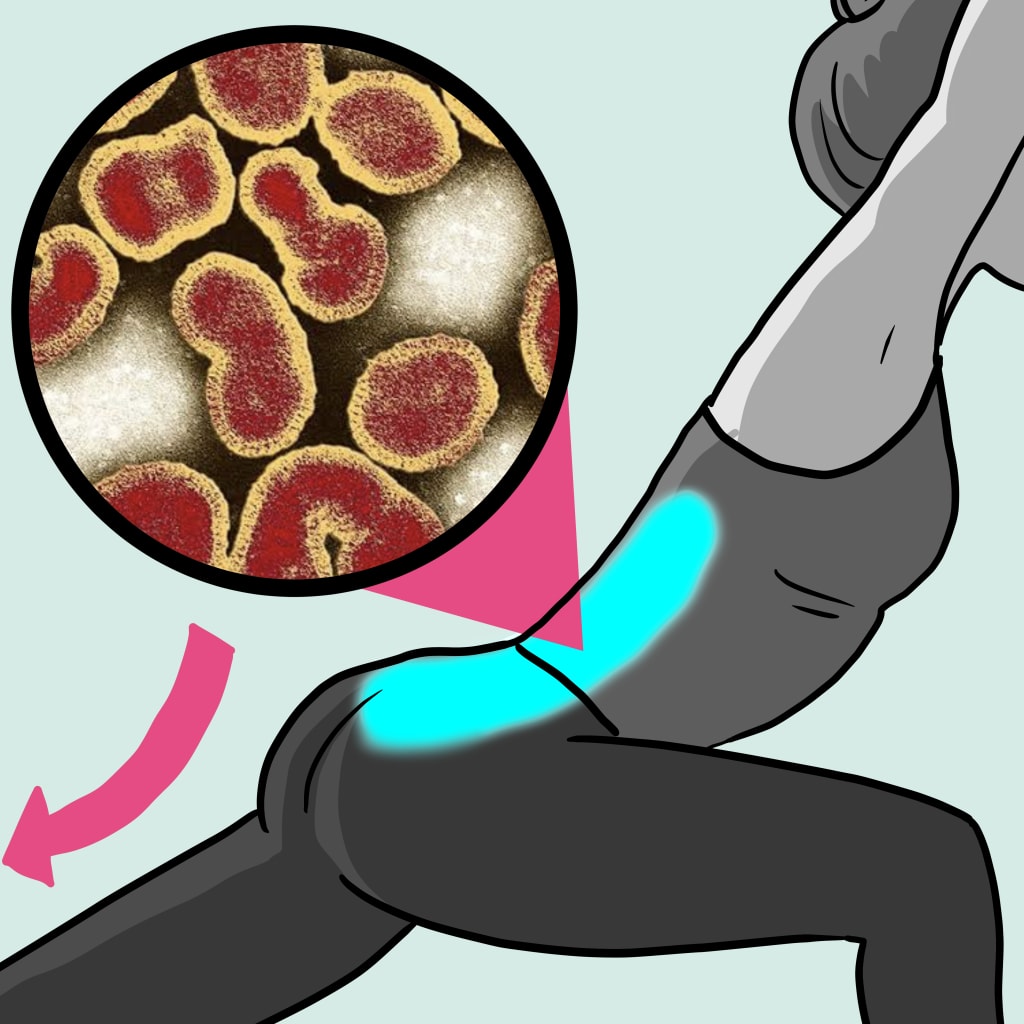
Do you want to lose upper belly fat without having to hit the gym? You’re not alone! Many people struggle to find time to make it to the gym, but luckily there are some simple tips and tricks to help you lose upper belly fat without exercise. In this blog post, we’ll be exploring some of the best methods to help you achieve your goal of having a flatter stomach without spending hours in the gym.
Understanding Upper Belly Fat
Lose Upper Belly Fat is a common goal for many individuals who want to achieve a slimmer and more toned physique. But before diving into ways to get rid of it, it is important to understand what upper belly fat actually is.
Upper belly fat, also known as visceral fat, is the fat that accumulates around the organs in the abdominal area. Unlike subcutaneous fat, which is found just beneath the skin, visceral fat is deeper and can pose greater health risks. This type of fat is associated with an increased risk of developing heart disease, type 2 diabetes, and other chronic conditions.
Genetics, hormonal changes, a poor diet, a lack of exercise, and stress are a few of the factors that frequently contribute to upper belly fat. It can be stubborn and challenging to lose, but with the right approach, it is possible.
In order to Lose Upper Belly Fat, it is important to adopt a holistic approach that includes a combination of healthy eating, regular exercise, and lifestyle modifications. By focusing on creating a calorie deficit through a balanced diet and incorporating cardio and strength training exercises, you can target this area and reduce excess fat.
In the upcoming sections of this blog post, we will discuss in detail the various factors that contribute to upper belly fat and provide practical tips and strategies for achieving your goals. So, stay tuned, and let's embark on this journey to a healthier and fitter you!
Factors That Contribute to Upper Belly Fat
Losing upper belly fat can be a challenging feat, but understanding the factors that contribute to it can help you make better choices for your overall health. Genetics, age, and gender are some factors that can increase the likelihood of accumulating fat in the upper belly area. Hormones such as cortisol, which is released during stress, can also lead to upper belly fat storage. Poor dietary choices, such as consuming too many processed or high-sugar foods, can contribute to upper belly fat. Additionally, a sedentary lifestyle can decrease muscle mass, leading to less calorie burning and increased fat storage. By making healthy changes to your diet, incorporating physical activity into your routine, and practicing stress management techniques, you can work towards losing upper belly fat and improving your overall health.
Diet Changes for Losing Upper Belly Fat
When it comes to losing upper belly fat, making certain diet changes can be crucial. While exercise is typically a key component of weight loss, it is possible to shed those stubborn pounds without hitting the gym. One of the most effective strategies is to reduce your overall calorie intake. By creating a calorie deficit, your body will start to burn stored fat, including the fat around your upper belly area.
In addition to reducing calories, it's important to focus on eating nutrient-dense foods. Opt for lean protein sources like chicken, fish, and tofu, which can help keep you feeling full and satisfied. Incorporate plenty of fruits, vegetables, whole grains, and healthy fats into your meals to provide your body with essential nutrients while still promoting weight loss.
Another important aspect of your diet is avoiding sugary drinks and foods high in refined carbohydrates. These can cause blood sugar spikes and contribute to increased fat storage in the belly area. Instead, opt for water, herbal tea, or sparkling water as your go-to beverage, and choose whole grain options instead of processed carbs.
Remember, losing upper belly fat is a gradual process that requires patience and consistency. By making these diet changes and adopting a healthier eating pattern, you can take a significant step towards achieving your weight loss goals without stepping foot in the gym.
Lifestyle Modifications for Losing Upper Belly Fat
Lifestyle modifications can play a huge role in losing upper belly fat. By making small changes to your everyday routine, you can see significant changes in your waistline over time.
One of the most effective lifestyle modifications for losing upper belly fat is increasing your water intake. Drinking plenty of water can help flush out toxins and reduce bloating, making it easier to lose weight. Additionally, it's important to reduce your alcohol intake, as it can contribute to the storage of belly fat. Another effective lifestyle modification is to incorporate more movement into your day-to-day routine. Try taking the stairs instead of the elevator or walking to work if possible. Additionally, practicing yoga or other forms of low-impact exercise can help to tone your core muscles, which can reduce the appearance of upper belly fat.
Finally, it's important to reduce your overall stress levels in order to lose upper belly fat. Try practicing meditation or mindfulness techniques or consider taking up a relaxing hobby such as painting or gardening. By reducing stress, you can help reduce inflammation in your body, which can contribute to belly fat.
The Importance of Sleep for Losing Upper Belly Fat
Getting enough sleep is crucial for anyone looking to lose upper belly fat. Lack of sleep has been linked to increased appetite, cravings for high-calorie foods, and decreased metabolism. These factors can make it harder to lose upper belly fat, even if you're eating a healthy diet and exercising regularly.
When you don't get enough sleep, your body produces more cortisol, a hormone that can cause your body to store fat around your midsection. Additionally, lack of sleep can cause insulin resistance, making it harder for your body to burn fat.
To combat these effects, aim for seven to nine hours of sleep per night. If you have trouble sleeping, try to establish a consistent sleep schedule, limit caffeine and alcohol intake, and avoid screens for at least an hour before bedtime. A relaxing bedtime routine, such as taking a bath or reading a book, can also help promote better sleep.
Remember, losing upper belly fat is not just about diet and exercise; it's about taking care of your body as a whole, and that includes getting enough sleep.
Stress Management Techniques for Losing Upper Belly Fat
Stress is one of the most significant contributors to the accumulation of upper belly fat. It triggers the production of cortisol, a hormone that leads to increased fat storage in the abdomen. However, there are many ways to manage stress and reduce the effects of cortisol. One effective technique is practicing relaxation exercises, such as deep breathing, yoga, or meditation. These practices help to lower stress levels, which can decrease cortisol production and ultimately help you lose upper belly fat.
Another way to reduce stress is to engage in activities that promote mental and emotional well-being. Spending time with friends and family, participating in hobbies that you enjoy, and seeking professional help when necessary are all great ways to manage stress. Getting enough sleep is also essential to reduce stress and promote overall health. By getting at least seven hours of sleep per night, you can reduce your stress levels, leading to decreased cortisol production and ultimately helping you lose upper belly fat.
Incorporating stress-management techniques into your daily routine is critical to losing upper belly fat and maintaining a healthy lifestyle. By prioritizing your mental and emotional well-being, you can reduce stress, lower cortisol production, and achieve your weight loss goals.
Other Tips and Tricks for Losing Upper Belly Fat
In addition to diet changes, lifestyle modifications, sleep, and stress management, there are several other tips and tricks that can help you lose upper belly fat without exercise.
One tip is to incorporate more fiber into your diet. Fiber-rich foods such as fruits, vegetables, whole grains, and legumes can help you feel full for longer, reducing the urge to overeat and helping to control your weight. Additionally, fiber aids in digestion and can help reduce bloating and constipation, which can contribute to a protruding belly.
Another trick is to drink plenty of water throughout the day. Staying hydrated can help prevent water retention and reduce bloating. It can also help curb your appetite, as thirst is sometimes mistaken for hunger.
Additionally, practicing mindful eating can be beneficial. Slow down and savor your meals, paying attention to your body's hunger and fullness cues. By eating more mindfully, you can avoid overeating and allow your body to properly digest and utilize nutrients.
Furthermore, incorporating certain spices into your meals can potentially boost your metabolism and aid in weight loss. Spices such as ginger, cinnamon, and cayenne pepper have been shown to have thermogenic properties, meaning they can increase your body's calorie-burning ability.
Lastly, reducing alcohol consumption can also help reduce upper belly fat. Alcohol is high in empty calories and can contribute to weight gain, especially around the midsection. Limiting your intake or opting for healthier alternatives can support your efforts to lose upper belly fat.
While exercise can greatly accelerate the process, these tips and tricks can help you achieve some progress in losing upper belly fat without hitting the gym. Remember, consistency and patience are key, and it's important to consult with a healthcare professional before making any drastic changes to your diet or lifestyle.
If you want to learn another way to lose belly fat, click here now.
About the Creator
Franco
Weight loss, Health, and diabetes can be a mental and emotional practice as well as a physical one! I am sharing some of the tips and research that helped me mentally on my journey. Content writer researcher. https://healthweightblogs.com
Enjoyed the story? Support the Creator.
Subscribe for free to receive all their stories in your feed.
Comments
There are no comments for this story
Be the first to respond and start the conversation.