
Let’s Get Ridiculous: How I Got My Korean Students Excited to Write
Lessons from an ESL teacher

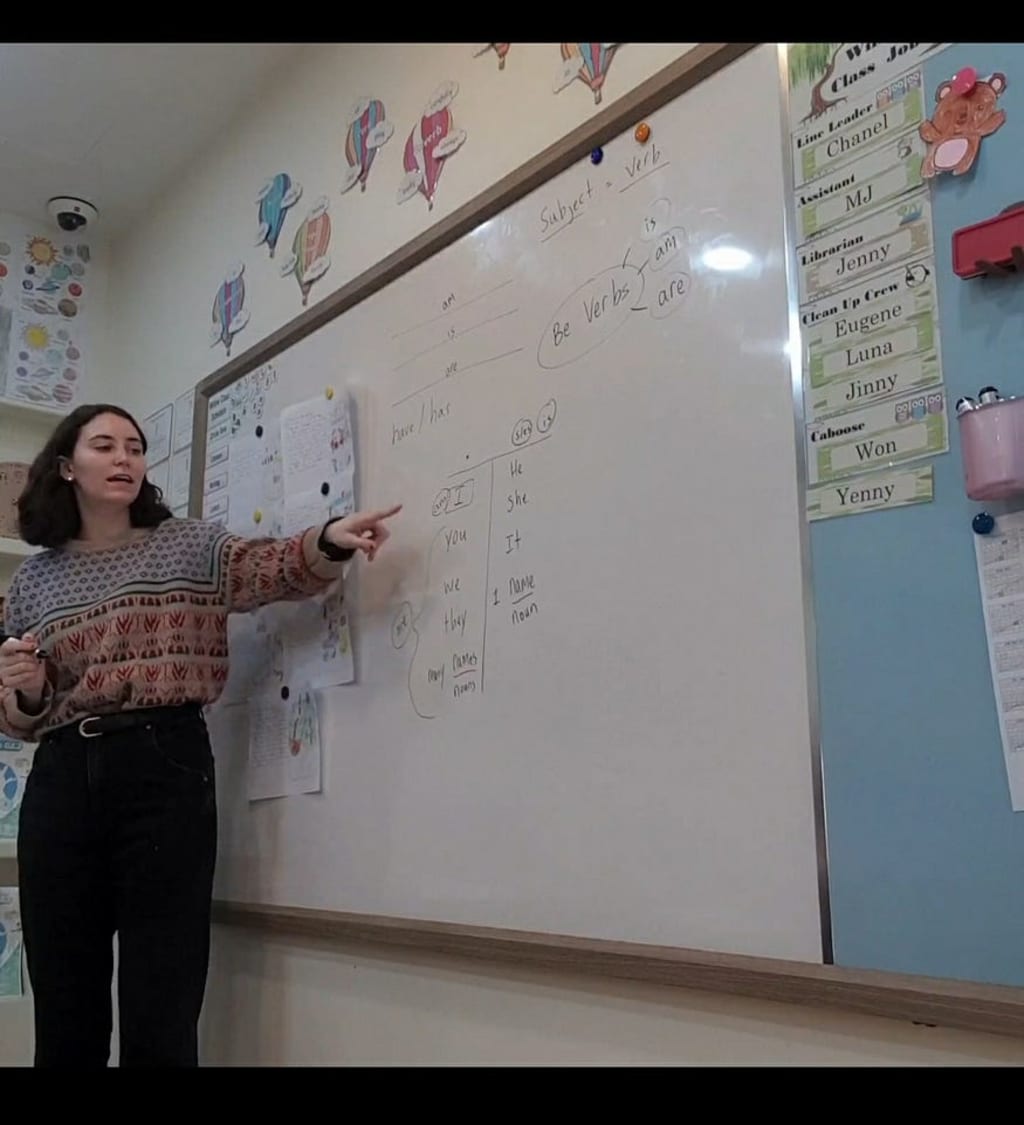
South Korean private academies, called Hagwons, are incredibly competitive and cause stress on the young students who are often forced to attend. The atmosphere is stale, students crane over their textbooks and stare red-eyed at the whiteboards as teachers lecture about English grammar, math, or whatever subject their parents want them to learn.
When I joined one of these academies as an English teacher, I was assigned a level 2 Creative Writing class. My first thought was: How am I supposed to get these middle schoolers, who only just started learning English seriously the year prior, and who are incredibly stressed by their upcoming exams, interested in writing creative essays?
The curriculum I was given was outdated. Our resources were attempting to get fourteen-year-olds in 2018 to write stories with the prompt: Help, someone stole my MP3 Player! Even before beginning the lesson, I knew I would have to modify the material to match their interests.
After our introductory warm-ups, I wrote the prompt from their textbook on the board. I was met with a loud groan from the class. I attempted to encourage them. I told them they could modify MP3 to anything they wanted and that we could write ideas together on the board, but still, they were uninterested, putting their heads in their hands and looking sullen.
I guided them through their introduction, teaching them how to present their topic to the reader and then slowly expand upon the details of their essay. But, at this point, their eyes were busy flickering or focusing on the doodles they were creating in the writing book’s margins.
Eventually, I halted my instructions and asked the students why they appeared so discouraged. One of my students bravely raised his hand to announce how boring they found the class. They had taken the same course with the exact same textbook series the previous semester.
These students had a lot on their minds, and writing a fictional story, which seemingly did not help them with their High School Entrance Exams, was the last thing they wanted to do. One student even begged me to make the class into a study hall, so they could practice their math and grammar.
I went to my manager and asked her if I could upend the current material and create my own curriculum for the course. She was hesitant at first, Korean managers rarely dare to stray from the Hagwon owner’s wishes, but with my head teacher backing me up, I was on a mission to create engaging material that would help the students see not only the joy in expressing themselves, but also how writing can help their problem-solving skills.
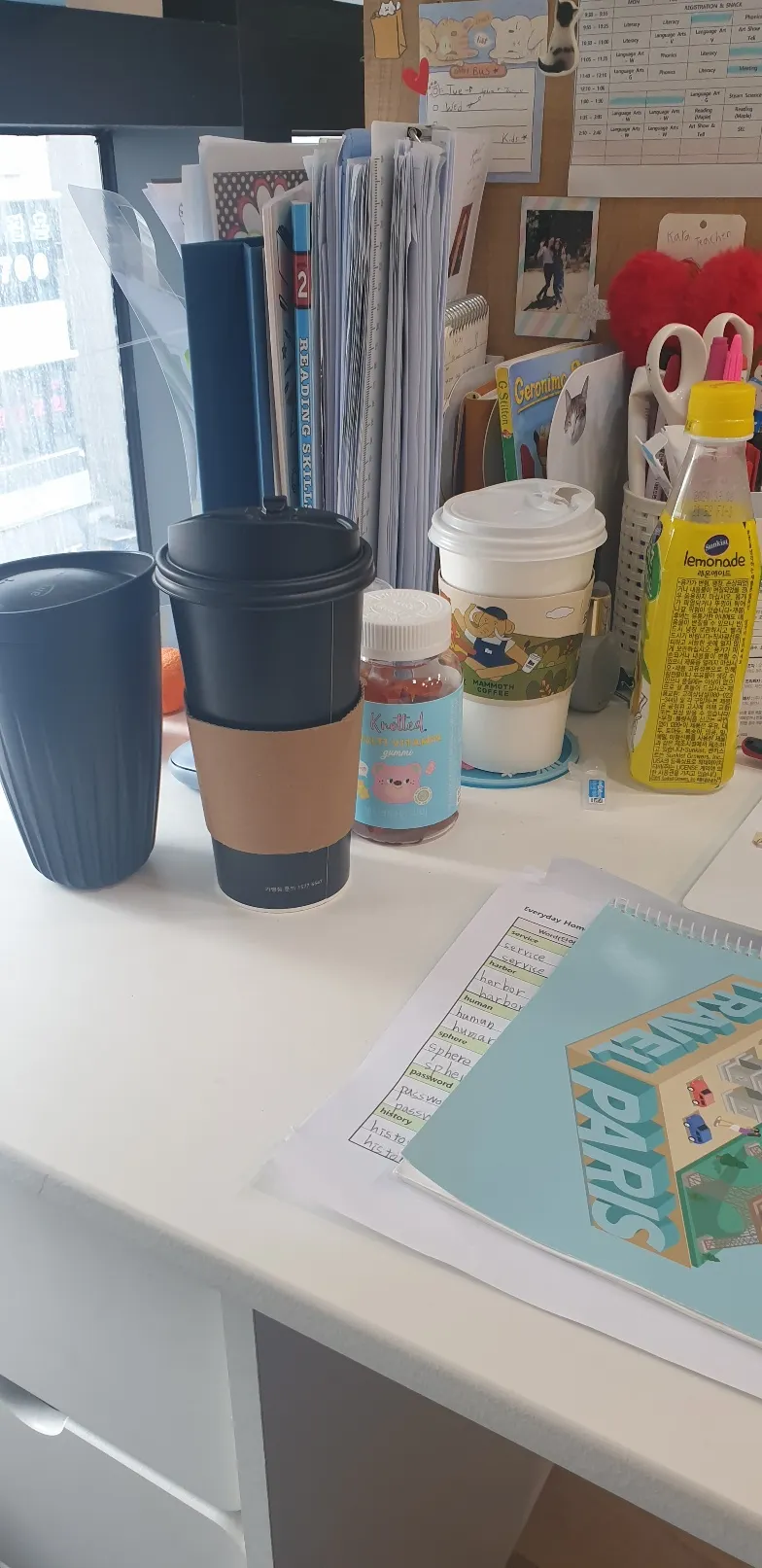
Writing an engaging essay is a lot like painting, cutting, and finishing your own puzzle. You have to make sure all the parts are polished and well put together in a succinct way to create a complete picture. I knew my students weren’t in the right head space to start writing their ideas down on paper, so I took a new approach.
The following class, when I came in with nothing in my hands my students immediately perked up.
“Who’s your least favorite teacher?” I asked.
Collectively, they all screamed out: “JIN TEACHER!”
This particular teacher was volatile and generally disliked by both students and teachers. The year before I joined the academy, he punched a hole in the wall when one of the female teachers talked back to him. He scolded the students harshly for mistakes until he was red in the face, he hit their little fingers and palms with rulers and books, and he lectured on and on without break. As my years in Korea passed, laws to protect students from physical abuse have improved, but in 2018 in this particular Hagwon, Jin Teacher felt perfectly comfortable harming our students.
I decided the quickest way to get my students excited be creative and was to help them reclaim their voice and power from their abusive teacher.
For the lesson, I explained that we would take turns writing a story on the board. They were each to write one sentence or two at a time, and then pass the marker along to the next person. and when our class period ended, they were to complete the ending of our story in their diaries.
On the board, I wrote Jin Teacher pooped his pants. The class erupted with conspiratorial laughter. I explained how they should continue the other writer’s thoughts. Everything has to be connected and it shouldn’t jump around without a proper sequence phrase: and then, after that, when Jin finished…, etc.
Collaboration in writing, especially for beginners and for non-native speakers, can be challenging. However, I find the shared vulnerability a grand opportunity for team building. It also helps the lower-level students get help more comfortably from their friends, rather than feeling overwhelmed by a teacher’s explanations.
One by one, timidly at first, but soon my students were savagely writing a fictional tale of their least favorite teacher’s demise. It was the longest and most detailed piece I’ve ever seen them write. Even the quietest student came up and wrote a funny sentence, sending his classmates into a riot.
The board was full of ridiculous scenarios. Even though our class time had ended, the students were asking if they could write just one more sentence. I reminded everyone to do their homework in their diaries and be creative.
“We can write anything?” One of my students asked.
I told them to be as funny as possible. The student who can make me laugh the most will receive a prize. The students chatted excitedly about their ideas to tear their teacher down via their imaginations. The students rewrote the first half down from the board into their journals and got to work, not waiting to get home to continue.
The following Monday, five out of the nine students did their assignment. They walked cockily into the teacher’s room, snickered toward Jin Teacher’s desk, and handed me their journals.
“Teacher, I’m going to win!”
Their essays were not perfect in terms of sequencing, but they were definitely creative. One student wrote how Jin teacher was so dirty, he attempted to bathe him, but after one hundred baths, he was still filthy. Another wrote about how she had to become a witch to cast a spell on Jin so he would continue to poop his pants forever. I’ve never been so proud.
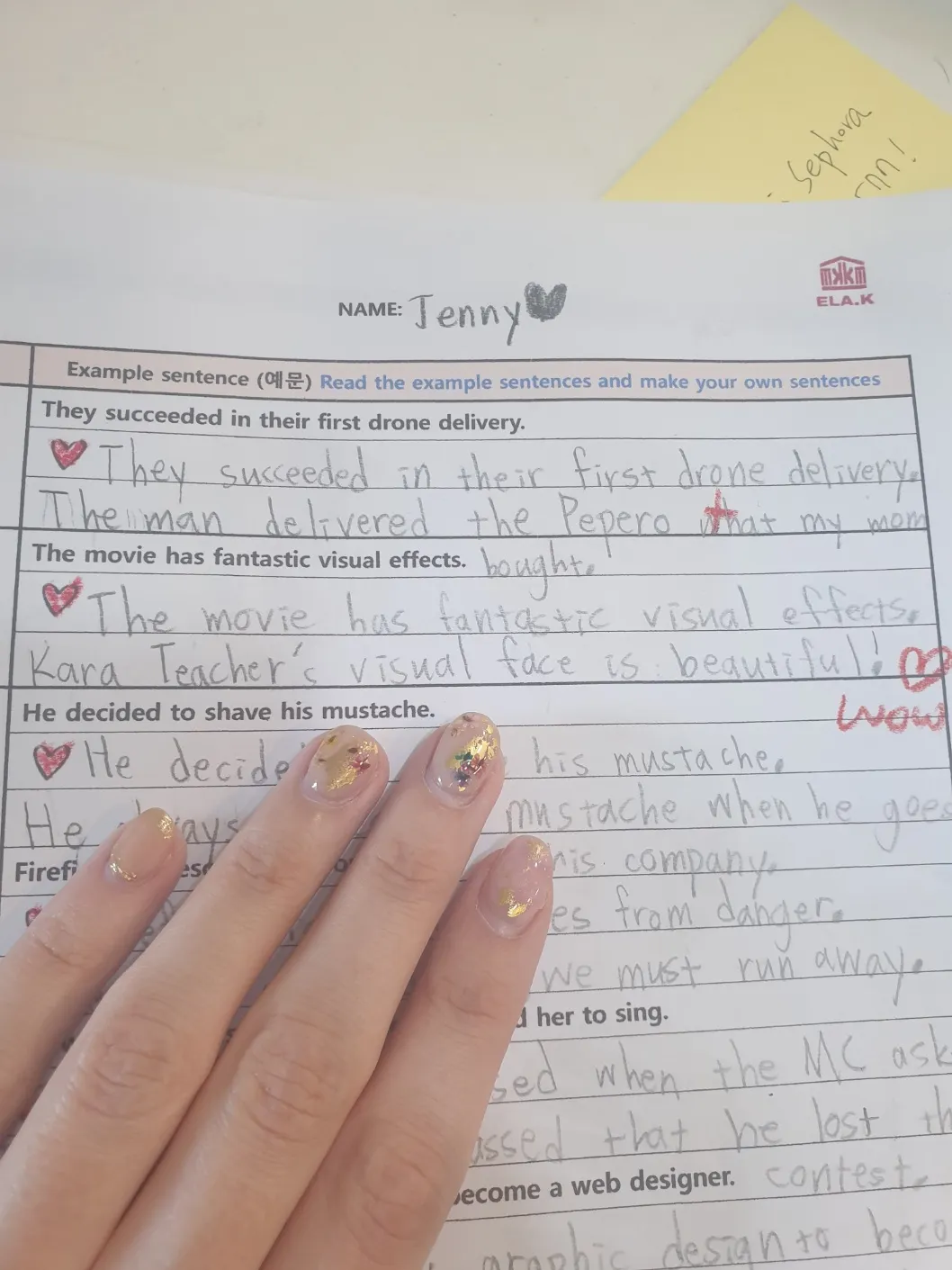
Getting kids excited to write sometimes requires us to get down on their level. Once I opened myself up for jokes, my students felt closer to me and they were more willing to put forth effort during lessons and toward their homework.
My students learned to be more confident in their creative abilities. They also learned not to take everything so seriously and to loosen up and enjoy their school life a bit more. It can be hard for Korean students, with the heavy pressure of exams always on their shoulders, but at least in my class, they were allowed to express their true feelings and let loose some of that pent-up childhood foolishness that all students need to release.
About the Creator
Enjoyed the story? Support the Creator.
Subscribe for free to receive all their stories in your feed. You could also become a paid subscriber, letting them know you appreciate their work.
Comments
There are no comments for this story
Be the first to respond and start the conversation.