
Learning Arabic
A Comprehensive Guide to Mastering the Language
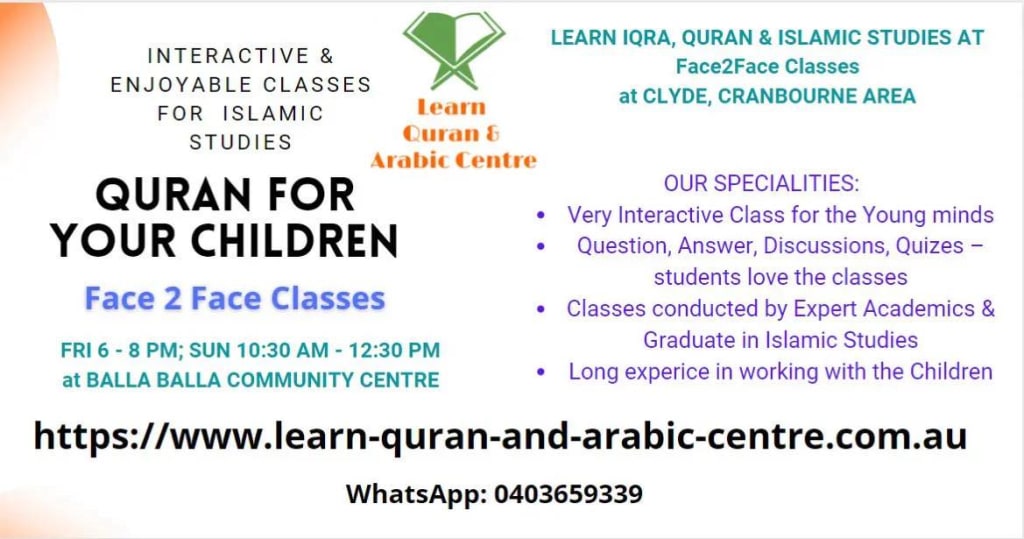
Embark on a fulfilling journey with online Quran learning and Tajweed Quran lessons. Discover the rich heritage of Arabic while connecting with diverse communities worldwide through online Quran classes and expert tutors. Explore the profound rewards of learning Arabic and the Quran for Islamic studies, cultural understanding, and global communication in diplomacy and international business.
Arabic, one of the world's oldest and most complex languages, has a rich history and cultural significance that extends far beyond its linguistic roots. Spoken by millions across the Middle East and North Africa, as well as by communities worldwide, Arabic is a language that opens doors to a vast and diverse world of literature, art, religion, and commerce. Whether you're interested in connecting with Arabic-speaking communities, delving into Islamic studies, exploring Arab literature, or pursuing a career in diplomacy or international business, learning Arabic can be a profoundly rewarding endeavor.
In this comprehensive guide, we will take you through the intricacies of learning Arabic, breaking down the language's unique features, its dialects, and the most effective methods and resources to help you become proficient in Arabic. With dedication and perseverance, you can unlock the beauty and depth of this ancient language.
The Importance of Learning Arabic
Arabic is one of the six official languages of the United Nations and holds great strategic importance in the modern world. Here are some compelling reasons to learn Arabic:
1.1. Cultural Enrichment:
Arabic offers insights into a rich and diverse culture spanning centuries, including literature, art, music, and cuisine.
Understanding Arabic can deepen your appreciation of Arab contributions to mathematics, science, and philosophy during the Islamic Golden Age.
1.2. Economic Opportunities:
The Arab world is home to significant oil reserves and represents a growing market for international businesses.
Proficiency in Arabic can enhance your career prospects in fields such as international relations, trade, and diplomacy.
1.3. Religious Significance:
Arabic is the language of the Quran, the holy book of Islam. Learning Arabic can deepen your understanding of Islam and its global impact.
1.4. Bridging Cultural Divides:
Learning Arabic fosters cross-cultural understanding and promotes peaceful coexistence in an increasingly interconnected world.
The Arabic Alphabet
The Arabic script is written from right to left and consists of 28 letters. Unlike the Latin alphabet, Arabic letters change shape depending on their position within a word. This script can be challenging for beginners, but with practice, it becomes more manageable.
2.1. Basic Arabic Sounds:
Arabic includes unique sounds that may not exist in other languages, such as the guttural "kha" (خ) and "ayn" (ع). These sounds require practice to pronounce correctly.
2.2. Diacritics:
Arabic uses diacritical marks (short vowels, long vowels, and other symbols) to clarify pronunciation. Beginners often rely on these marks until they become more comfortable with the language.
Arabic Dialects
Arabic dialects vary significantly across regions, making communication challenging for learners. The two main forms of Arabic are:
3.1. Modern Standard Arabic (MSA):
MSA is the formal, written Arabic used in literature, media, and formal speeches.
Learning MSA is essential for academic and official purposes.
3.2. Colloquial Arabic:
Colloquial Arabic dialects vary greatly from one region to another.
Choose a specific dialect based on your goals and interests, such as Egyptian, Levantine, or Gulf Arabic.
Learning Arabic: Where to Start
Now that you understand the importance of Arabic and the basics of its script and dialects, let's explore how to start your Arabic language journey.
4.1. Enroll in a Language Course:
Language courses at universities, language schools, or online platforms like Duolingo, Rosetta Stone, or Babbel provide structured learning experiences.
4.2. Hire a Tutor:
A tutor can offer personalized lessons, practice conversations, and guide your progress.
4.3. Self-Study:
If you prefer self-study, invest in Arabic textbooks, online resources, and language learning apps like Memrise or Anki.
4.4. Immersion:
Consider traveling to an Arabic-speaking country for immersive language learning. Living among native speakers accelerates language acquisition.
Essential Arabic Language Resources
To succeed in learning Arabic, you need access to a variety of resources. Here are some essential tools to aid your journey:
5.1. Textbooks:
"Alif Baa" and "Al-Kitaab" are popular series for learning Arabic.
"Arabic for Dummies" offers a user-friendly introduction.
5.2. Online Courses:
Websites like iTalki, Preply, and Udemy connect you with Arabic language tutors.
The University of Michigan's Language Resource Center offers free online Arabic courses.
5.3. Language Learning Apps:
Duolingo, Memrise, and Rosetta Stone have Arabic courses.
"Arabic Language - GO Keyboard" helps you practice Arabic typing.
5.4. Dictionaries and Grammar References:
"Hans Wehr Dictionary of Modern Written Arabic" is a comprehensive Arabic-English dictionary.
"A Reference Grammar of Modern Standard Arabic" by Karin C. Ryding is a trusted grammar resource.
5.5. Language Exchange Partners:
Platforms like Tandem, ConversationExchange, and HelloTalk connect you with native Arabic speakers for language exchange.
Mastering Arabic Writing and Pronunciation
Arabic writing requires dedication, as mastering the script is crucial. Focus on:
6.1. Handwriting:
Practice writing Arabic letters daily to improve your penmanship.
6.2. Pronunciation:
Work with native speakers or language teachers to correct your pronunciation.
Use online resources with audio to practice.
Developing Your Listening and Speaking Skills
Listening comprehension and speaking are essential aspects of Arabic language learning. Enhance these skills by:
7.1. Watching Arabic Media:
Listen to Arabic news broadcasts, music, and podcasts.
Arabic TV shows and films with subtitles can also help.
7.2. Conversational Practice:
Engage in conversations with native speakers regularly, either in person or through language exchange platforms.
Mastering Arabic Grammar and Vocabulary
Arabic grammar is intricate, but mastering it is essential for fluency. Focus on:
8.1. Grammar Rules:
Work through grammar exercises and textbooks to understand sentence structure, verb conjugations, and noun cases.
8.2. Expanding Vocabulary:
Use flashcards or spaced repetition apps to build your Arabic vocabulary.
Read Arabic texts to encounter new words in context.
Reading Arabic Literature
Arabic literature offers a window into the language's beauty and cultural depth. Start with:
9.1. Simple Texts:
Begin with children's books and graded readers, gradually moving on to more complex literature.
9.2. Classical and Contemporary Works:
Explore the works of classical Arab poets like Al-Mutanabbi and contemporary authors like Naguib Mahfouz.
Staying Motivated
Learning Arabic can be challenging, but staying motivated is key to success:
10.1. Set Goals:
- Define clear, achievable language learning goals.
- Celebrate your progress along the way.
10.2. Join Language Communities:
- Engage with online forums, social media groups, or local language meet-ups to connect with fellow learners and native speakers.
10.3. Embrace the Culture:
- Immerse yourself in Arabic culture by attending cultural events, trying Arabic cuisine, and participating in cultural exchange activities.
Conclusion
Learning Arabic is a rewarding journey that opens doors to a vibrant culture, history, and economic opportunities. With dedication, perseverance, and the right resources, you can become proficient in this ancient and influential language. Whether you're pursuing Arabic for academic, professional, or personal reasons, the journey is as enriching as the destination. So, take the first step, and let the Arabic language become your bridge to a world of knowledge and connection.
About the Creator
Learn Quran
WE AIM TO GIVE UNIQUE AND HIGH-QUALITY ONLINE QURAN LEARNING AND ONLINE QURAN TUTOR TO CHILDREN AND ADULTS ONLINE IN SMALL GROUPS USING TEACHERS FROM AUSTRALIA.
Enjoyed the story? Support the Creator.
Subscribe for free to receive all their stories in your feed.
Comments
There are no comments for this story
Be the first to respond and start the conversation.