
Latest Trends in Hospitality Uniforms
Hospitality uniforms serve as more than just attire; they are a critical component of the hospitality industry.
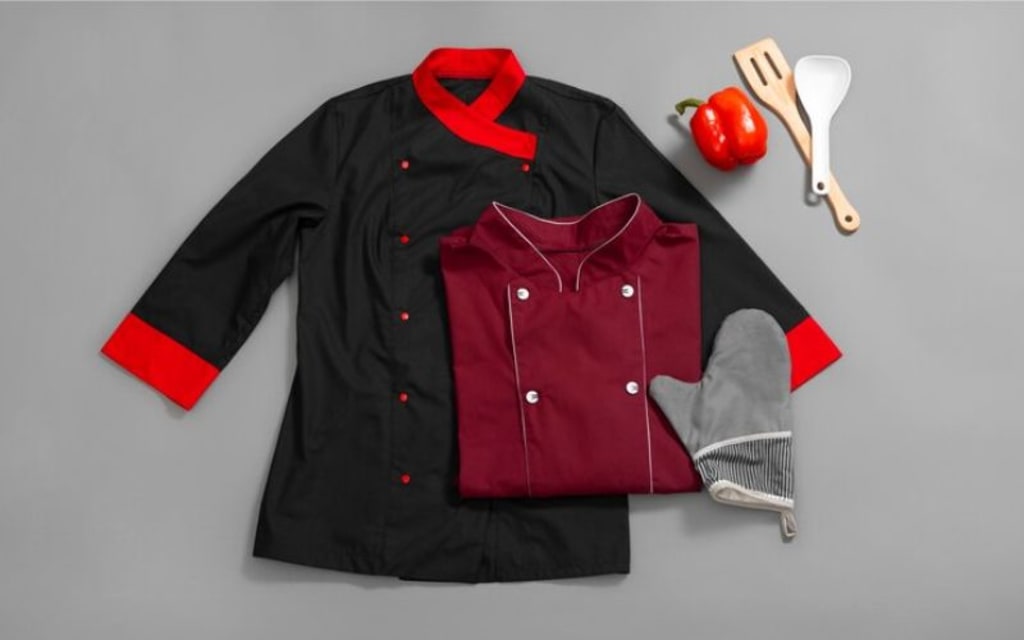
Hospitality uniforms serve as more than just attire; they are a critical component of the hospitality industry. These uniforms provide a sense of identity, professionalism, and cohesion to staff members while ensuring they meet the functional demands of their roles. From front desk staff to housekeeping, uniforms play a vital role in creating a first and lasting impression on guests.
Historically, hospitality uniforms were designed primarily for functionality and simplicity. However, today’s uniforms have evolved into powerful branding tools that communicate a company’s values, culture, and attention to detail. Modern uniforms merge aesthetics, comfort, and utility, reflecting a shift towards making employees feel confident and aligned with the company’s image.
The COVID-19 pandemic revolutionized many industries, and hospitality uniforms were no exception. The crisis underscored the importance of hygiene, comfort, and durability in uniforms. Businesses began prioritizing antimicrobial fabrics, easy-to-clean materials, and designs that promote employee safety while maintaining a professional appearance.
Key Trends Shaping the Future of Hospitality Uniforms
1. Sustainability and Eco-Friendly Materials
Sustainable Fabrics: Eco-consciousness is a growing trend in hospitality. Many companies are now using sustainable fabrics such as organic cotton, recycled polyester, and Tencel for their uniforms. These materials not only reduce environmental impact but also offer durability and comfort.
Ethical Sourcing: The emphasis on ethical sourcing ensures that materials are obtained from suppliers who adhere to fair labor practices and sustainable production methods. By doing so, companies contribute to a more ethical supply chain.
Reduced Environmental Impact: Switching to sustainable uniforms can significantly reduce a company’s carbon footprint. For example, recycled polyester minimizes plastic waste, while organic cotton reduces water and pesticide use. Adopting these materials showcases a commitment to environmental stewardship.
2. Comfort and Functionality
Ergonomic Design: Comfort is paramount in the fast-paced hospitality industry. Ergonomic uniform designs reduce physical strain, enabling staff to perform their duties with ease. Thoughtful elements like adjustable waistbands and lightweight fabrics enhance comfort and mobility.
Breathability and Moisture-Wicking Fabrics: Advanced textiles, such as moisture-wicking and breathable fabrics, keep staff comfortable during long shifts. These materials regulate body temperature and wick away sweat, ensuring employees stay cool and presentable.
Flexible and Adaptable Designs: Modern hospitality uniforms are designed to cater to diverse body types and work environments. Features like stretchable fabrics and customizable sizes ensure inclusivity, allowing every employee to feel comfortable and confident.
3. Brand Identity and Employee Empowerment
Corporate Branding: Uniforms act as walking advertisements for a brand. They help establish a consistent brand identity, making employees easily recognizable to guests. Customizable elements, such as logos and colors, reinforce brand values and aesthetics.
Employee Morale: Well-designed uniforms that prioritize comfort and style can boost employee morale. When employees feel good in their uniforms, it reflects in their performance and customer interactions, creating a positive work environment.
Personalization: Allowing for personalization within a uniform framework—such as name tags, customized badges, or slight design variations—empowers employees to express their individuality while maintaining brand consistency.
4. Hygiene and Safety
Antimicrobial Fabrics: The use of antimicrobial fabrics is on the rise, driven by heightened hygiene concerns. These fabrics inhibit the growth of bacteria and viruses, promoting a safer work environment for both employees and guests.
Easy-Care and Durable Materials: Durability and ease of maintenance are key considerations. Uniforms made from wrinkle-resistant and stain-repellent materials ensure a polished look even after repeated washes, saving time and resources.
Safety Features Incorporating safety features like flame-resistant materials, reflective strips, or slip-resistant footwear further enhances the functionality of hospitality uniforms, particularly for roles that require additional protection.
5. Technology Integration
Smart Fabrics: Technology is revolutionizing uniform design. Smart fabrics embedded with sensors can monitor temperature, movement, and posture, improving employee safety and productivity.
QR Codes and RFID Tags: Integrating QR codes and RFID tags into uniforms streamlines inventory management and enhances efficiency. For example, staff can quickly check out uniforms or track their usage.
Digital Uniform Design Tools: Digital tools allow for innovative and personalized uniform designs. These tools enable companies to visualize and customize uniforms before production, ensuring the final product aligns with brand requirements.
The Future of Hospitality Uniforms
Predicting Future Trends: Emerging technologies and innovative designs are set to redefine hospitality uniforms. We can expect more sustainable materials, advanced smart fabrics, and AI-driven designs.
The Role of AI and Machine Learning: AI can optimize uniform design by analyzing data on wearability, durability, and employee feedback. This ensures that uniforms are not only functional but also aligned with employee needs and preferences.
The Impact of Virtual and Augmented Reality: Virtual and augmented reality tools can revolutionize uniform design and training. Companies can use these technologies to visualize designs, provide virtual fitting sessions, and offer immersive training experiences.
Conclusion
To stay competitive, hospitality businesses must embrace these advancements. Continuous innovation ensures that uniforms not only meet functional demands but also enhance employee satisfaction and brand image.
Hospitality professionals are encouraged to invest in modern, functional, and stylish uniforms. By doing so, they can create a strong brand identity, empower employees, and deliver exceptional guest experiences. Adopting these trends will ensure that the industry remains dynamic, forward-thinking, and customer-focused.
About the Creator
Enjoyed the story? Support the Creator.
Subscribe for free to receive all their stories in your feed.
Comments
There are no comments for this story
Be the first to respond and start the conversation.