
KIDNEY DISEASES UNCOVERED: TYPES, CAUSES & PREVENTION GUIDE
Unlock insights on kidney diseases: Explore causes and prevention for optimal kidney health and care.
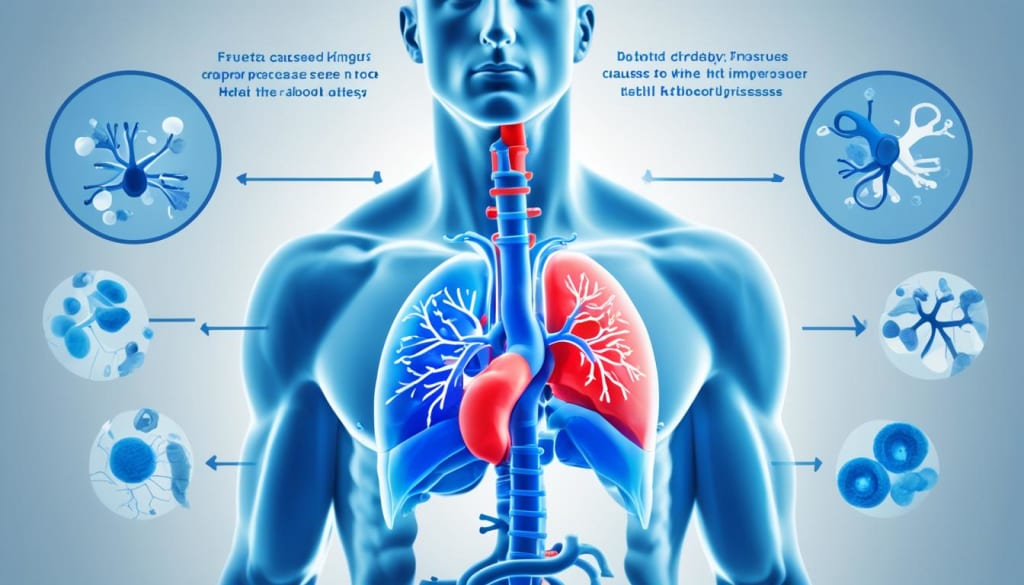
This is our guide to kidney diseases in this section, we will provide you with the full information on kidney diseases their factors and importance of care at its best.
Millions across the globe suffer from kidney diseases and thus it becomes a serious health concern. They may be mild, severe or fatal. Being aware of kidney diseases makes us be alert on the problem, treat them well and prevent it.
In this article we are going to discuss the major reason for kidney diseases, symptoms you need watch and ways of diagnosing them. We will also give you tips on how to make lifestyle changes and avoid kidney problems.
Whether you have a kidney disease, care for someone with one or are just interested in finding out more about it - we're here! All we care about is arming you with the knowledge and tools to make sense of this crowded space.
Key Takeaways:
• This is because diseases affecting the kidney are a major concern in the International community.
• It is therefore important to learn more about the causes and risk factors regarding the aforementioned so as to prevent and, in the worst case, early diagnose them.
• Learn more about the indicators of kidney diseases.
• Cases of impaired functioning allow for the early identification of the corresponding kidney disorders during tests.
• A healthy lifestyle maybe useful in living a kidney healthy life and also help in eliminating the possibility of the diseases.
What Are Kidney Diseases?
Kidney diseases encompass a rather broad category that focuses on all the ailments that relate to the kidneys’ functionality. These organs are below the rib cage and on the both sides of the spine. Among others, they remove
wastes as well as fluids from blood, regulate blood pressure, synthesis of hormones, and help to maintain the electrolyte concentration into the blood.
Kidney diseases are classified into many categories depending on the characteristics or the factors that may cause it, its symptoms, and ways that it can be treated. Some common ones include:
Chronic kidney disease (CKD): This simply means the gradual deterioration of the kidney’s function over time and without even knowing when one’s kidney function is deteriorating. It can be due to diabetes, hypertension or glomerulonephritis Chronic Kidney Disease is defined as progressive and irreversible decline of renal function.
Acute kidney injury: This is a sudden reduction in the glu-con/HCO3 reabsorption rate. It is usually as a result of a severe infection, lack of water intake or harm that certain recommended drugs cause to the kidney.
Polycystic kidney disease: This is an inheritable condition where the person has cysts containing fluids that are found in the kidneys. Also, they substitute normal tissues and negatively impact the work of kidneys.
Kidney stones: These are the deposits that are hardened in the kidney tissues. They can be rather uncomfortable and might lead to serious complications such as forming a part of the blockage in the urinary system.
Other forms of kidney diseases comprise of glomerulonephritis, nephrotic syndrome, kidney infections, and kidney cancer.
This fosters early diagnosis and management of this disease since an individual is informed on the existence of kidney diseases. If you are having any symptoms, or you think you have issues concerns overall kidney health, consult a doctor. They can inform you the correct diagnosis and also help in finding the right cure for it.
Common Causes of kidney diseases:
As the above discussed causes reveals, some kidney diseases are due to a combination of a number of factors as outlined below;
This part of the body is responsible for clean blood purification as by removing any waste or excess fluid. However, there are numerous causes of kidney diseases and the enhancement of its hazards. Understanding what brings these diseases aids us to preserve our kidneys.
High blood pressure: The precondition of all the mentioned renal issues is high blood pressure, also known as hypertension. Kidneys’ Blood vessels can be affected, and as a result, these vital organs will start filtering wastes in the wrong manner. When it comes to managing and preventing complications relating to kidney, then one has to ensure they regulate their blood pressure through changes in their habits or doctor prescriptions.
Diabetes: It is a fact that diabetes ranks high in the cause of kidney diseases. Blood vessels become damaged and kidneys do not function properly if there is high level of sugar in blood. Diabetes patients should monitor their blood sugar to reduce kidney disease’s risk.
Certain medications: Kidneys are damaged when used wrong or if taken for a very long time especially for medications like NSAIDs and specific antibiotics. It is vital to always proceed as advised by the physician and consult them about any concerns to prevent the contraction of kidney diseases from medicines.
Smoking: Smoking is toxic to many organs, kidneys inclusive. It constricts the blood vessels and reduces the blood supply to these organs of elimination. Smoking cigarettes can be considerably reduced to minimize the chances of developing kidney disease as well as to improve overall health by quitting smoking.
Family history: It is also sometimes hereditary, meaning if your family members had kidney diseases then you are also likely to have these diseases. There are inherited conditions such as polycystic kidney disease that lead to the development of kidney damage. These risks can be noted during routine doctor visits, and this will help in managing them.
From the researched possible causes of kidney diseases above, we can avoid these through leading a healthy life. If a person takes exercises frequently, takes healthy meals, take balanced diets, have adequate water intake and also control diseases affecting the kidneys, they are likely to have their kidneys functioning properly.
Signs and Symptoms of Kidney Diseases
Knowing kidney disease warning signs can help detect problems. Quick action can protect your kidneys. Be on the lookout for these common red flags:
Changes in Urine: Take note of how often you pee and the amount that comes out. Do you see blood or foam in your pee? Are you peeing less than usual? Are you making more trips to the bathroom? Your kidneys may be struggling.
Pain or Discomfort: Kidney issues can cause pain in your lower back or sides. The pain may be persistent or intermittent. It could feel dull and achy or sharp and stabbing.
Swelling: If you experience swollen feet, ankles, hands, or face for no apparent reason, your kidneys may be to blame. Doctors refer to this as edema.
Fatigue: Feeling exhausted? Weak and lethargic? Lacking energy? Your kidneys could be the reason. They cleanse your blood and produce energy-boosting hormones. When they are not functioning properly, you may experience a crash.
Spot these signs or symptoms? See a doctor fast. They'll check you out and pinpoint the issue. These signs might mean kidney trouble, but a doctor can say for sure how bad it is.
Kidney diseases don't always show up right away. Some people won't see any signs till it's pretty far along. Regular check-ups and keeping tabs on your kidney health help catch problems quick.
Stay in the know and treat your kidneys right for top-notch health. Up next, we'll dive into how docs spot and test for kidney diseases.
Diagnosis and Screening for Kidney Diseases
Spotting kidney problems leads to better outcomes. Doctors rely on various exams to pinpoint and track kidney issues.
Blood test
Blood tests reveal kidney health and flag concerns. The BUN test spots blood urea nitrogen levels. Creatinine checks pick up on muscle waste. These markers paint a picture of kidney performance and potential diseases.
Visual Scans
Scans help docs zero in on kidney troubles. Ultrasounds bounce sound off kidneys to create images. CT scans snap detailed kidney pics. These tools catch tumors, cysts, and other problems.
Urine Tests
Urine tests play a big role in kidney health checks. Urinalysis digs into pee's makeup. It hunts for blood, protein, or other kidney problem clues. The ACR test hunts for albumin, a protein that hints at early kidney damage.
Other Diagnostic Methods
Doctors sometimes need extra tests for kidney problems. A kidney biopsy grabs a bit of tissue to check out. Gene tests spot kidney issues you're born with. These exams give docs a clearer picture of what's wrong and how bad it is helping them pick the right fix.
Screening
People with diabetes or high blood pressure need kidney disease screening. Doctors use blood pressure checks, urine tests, and blood tests to find kidney problems. Finding these issues helps manage them better.

These tests let doctors figure out kidney diseases. They can find the reason and make plans to treat them. Taking action and finding problems play a big role in stopping kidney issues. It also keeps kidneys working well.
Preventing kidney diseases:
Kidney disease prevention matters a lot. You can cut your risk by changing how you live and taking care of long-term health issues. These steps have a big impact on keeping your kidneys healthy.
1. Maintain a healthy diet: Eat a balanced diet with less sodium, saturated fats, and processed foods. Include lots of fruits, veggies, whole grains, and lean proteins in your meals.
2. Stay hydrated: Drink enough water to flush out toxins from your kidneys. Try to drink 8-10 glasses of water a day, or follow your doctor's advice.
3. Manage chronic conditions: Conditions like diabetes and high blood pressure raise the risk of kidney diseases. Manage these with the right medicine, regular doctor visits, and lifestyle changes.
4. Avoid smoking: Smoking hurts your kidneys and makes them work less well. Quit smoking or avoid secondhand smoke to lower your risk of kidney diseases.
5. Exercise regularly: Regular exercise boosts your health and lowers the risk of chronic conditions that can harm your kidneys. Aim for 150 minutes of moderate exercise each week.
6. Maintain a healthy weight: Being overweight increases the risk of kidney diseases. Keep a healthy weight with a balanced diet and exercise to protect your kidneys.
Start taking steps now to protect your kidneys and prevent kidney diseases. These small changes in your life can make a big difference in your kidney health over time.
Managing Kidney Diseases
For people with kidney diseases, managing their health is key. It helps keep the kidneys working well and improves overall health. Managing kidney diseases means using treatments and making lifestyle changes that fit each person's needs.
Treatment Options
Doctors may give medications for kidney diseases. These help manage symptoms, slow the disease, and prevent problems. Medications like ACE inhibitors, ARBs, diuretics, or immunosuppressants might be used.
What you eat is also important for your kidneys. Working with a dietitian, people with kidney diseases might need to eat less sodium, phosphorus, and potassium. It's also key to eat enough protein and drink the right amount of fluids.
Dialysis
When kidneys fail, dialysis filters waste and fluids from the blood. You can get dialysis at a center or at home with training. There are two main types: hemodialysis and peritoneal dialysis.
It's important to see your healthcare team regularly. They can check on your kidney function, change your treatment if needed, and help with any problems. Living a healthy life also helps your kidneys. This means staying active, quitting smoking, drinking less alcohol, and managing stress.
By managing kidney diseases, you can take charge of your health. Remember, everyone's experience is different. Always talk to healthcare experts to find the best way to manage your condition.
Lifestyle Changes for Optimal Kidney Health
Making certain lifestyle changes can greatly help keep your kidneys healthy. By following simple habits and avoiding harmful substances, you can support your kidneys. This can lead to better kidney health and function.
Diet: Eating a balanced diet is key for your kidneys. Eat lots of fresh fruits, veggies, whole grains, lean proteins, and healthy fats. Cut down on processed foods, saturated fats, and too much salt. Also, drink plenty of water every day.
Physical Activity: Regular exercise is good for your overall health and kidneys. Try to do at least 30 minutes of moderate exercise, like brisk walking or swimming, most days. Always talk to your doctor before starting a new exercise plan.
Avoid Harmful Substances: Some substances can harm your kidneys. Drink less alcohol and avoid smoking or tobacco. If you take over-the-counter meds or herbal supplements, check with your doctor or pharmacist to make sure they're safe for your kidneys.
Manage Chronic Conditions: Conditions like diabetes and high blood pressure can hurt your kidneys. Manage these with the right meds, regular check-ups, and lifestyle changes as your doctor suggests.
Stress Management: Too much stress can lead to health problems, including kidney issues. Find ways to relax, like doing hobbies, talking to friends, or seeing a mental health expert.
By making these lifestyle changes, you can help keep your kidneys healthy and lower the risk of kidney diseases. Always talk to your doctor for advice that fits your needs and health history.
Support and Resources for Kidney Disease Patients
Living with kidney disease can be tough, but you're not alone. There are many support networks, organizations, and resources ready to help. They offer assistance, guidance, and encouragement to patients, their families, and caregivers.
The National Kidney Foundation (NKF) is a key resource for kidney disease patients. It's a non-profit that provides educational materials, support groups, and online forums. Patients can connect with others who understand their experiences. The NKF's website is full of information on managing kidney disease and treatment options.
Hospitals and healthcare facilities also have support programs for kidney disease patients. These programs include counseling, nutritional advice, and care teams that help create treatment plans. If you or a loved one has kidney disease, ask your healthcare provider about these services.
The American Association of Kidney Patients (AAKP) is another great resource. It's run by patients to improve life for those with kidney disease through advocacy, education, and support. The AAKP lets patients share their stories, voice concerns, and connect with others. They also offer educational resources like webinars and publications.
Financial Assistance Programs
There are also financial help programs for kidney disease patients. These programs cover the cost of treatment, medication, and more. The American Kidney Fund and Patient Advocate Foundation offer grants and assistance to those who qualify.
Get Access to the Kidney Disease Solution Program
A group of people gathered around a kidney-shaped table, discussing different ways to support and care for kidney disease patients. There are informational brochures and pamphlets displayed on the table, as well as a computer screen showing various online resources. One person is pointing to a chart on the wall that displays kidney disease statistics and treatment options. The atmosphere is supportive and collaborative.
You're not alone in your journey with kidney disease. Use the support and resources out there. Contact organizations like the National Kidney Foundation, the American Association of Kidney Patients, and your healthcare provider for help. Together, we can face the challenges of kidney disease and improve life for patients.
Conclusion
Understanding kidney diseases and their causes is key to keeping your kidneys healthy. By taking steps to prevent these diseases, getting early diagnosis, and following a treatment plan, you can manage them well. This approach helps improve your life quality.
Get Access to the Kidney Disease Solution Program
About the Creator
Enjoyed the story? Support the Creator.
Subscribe for free to receive all their stories in your feed.
Comments
There are no comments for this story
Be the first to respond and start the conversation.