
Key Things to Consider When Buying a Tractor for Your Farm
Buying a tractor is a big decision, especially when you rely on it to keep your farm running smoothly. Here’s a guide to help you find the perfect tractor that suits your needs.

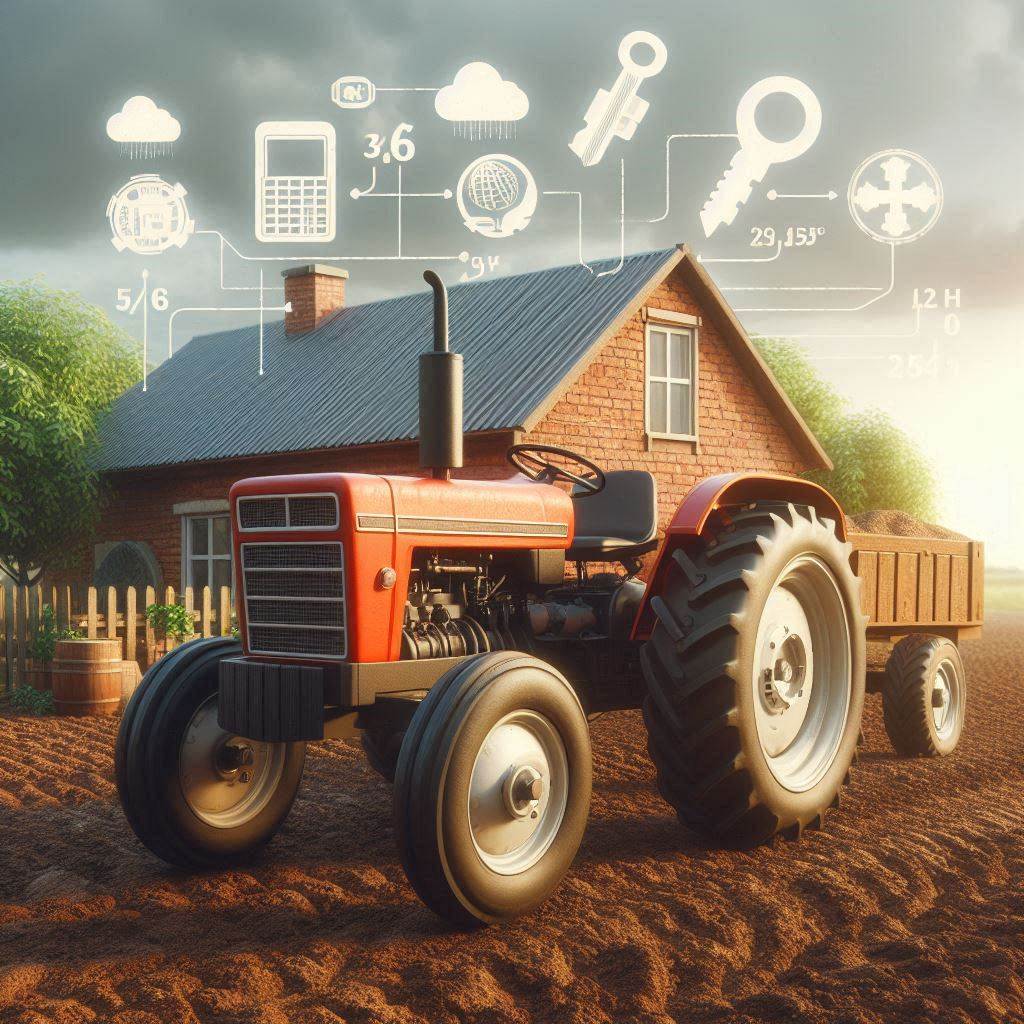
Buying a tractor is a big decision, especially when you rely on it to keep your farm running smoothly. Whether you're a seasoned farmer or just getting started, choosing the right tractor can make all the difference in how efficiently your farm operates.
1. Understand Your Farm’s Needs
Before diving into the various models, take a moment to think about what you’ll be using the tractor for. Is it for plowing, tilling, hauling, or maybe a bit of everything? If your farm is small, a compact tractor with less horsepower may be sufficient. However, for larger-scale operations, you'll need something with more power and versatility. Start by listing out the jobs you’ll need the tractor for to help narrow down your options.
2. Pick the Right Horsepower
Many people assume that more horsepower is always better, but that's not necessarily true. The amount of horsepower you need depends on the tasks at hand. For lighter work like mowing or light plowing, you might only need a tractor in the 30-40 HP range. For heavier jobs, such as pulling large implements or tilling large fields, you’ll want something in the 50+ HP range. It’s about finding the balance that fits your farm’s size and needs.
3. Manual vs. Automatic Transmission
One of the key decisions is choosing between a manual or hydrostatic (automatic) transmission. Manual transmissions provide steady power, making them ideal for heavy-duty tasks like plowing. Hydrostatic transmissions, on the other hand, are easier to operate and offer smooth control, which can be great for tasks where precision is key, or if you're newer to using tractors.
4. Comfort Matters
You’ll likely spend a lot of time on your tractor, so comfort is important. Look for tractors with ergonomic seating, easy-to-reach controls, and good visibility. Many modern tractors also come with features like adjustable seats, air conditioning, and advanced digital displays to make your job easier and more comfortable.
5. Check Attachment Compatibility
One of the main reasons tractors are so valuable is their ability to handle a wide range of attachments, from plows and tillers to loaders and mowers. Before purchasing, make sure the tractor you’re considering is compatible with the implements you need. Some tractors also have quick-hitch systems, which make changing attachments faster and less of a hassle.
6. New vs. Used: Which Is Right for You?
If you’re working with a tight budget, buying a used tractor can be a great option. However, you’ll want to carefully inspect it to make sure it’s in good condition. Check how many hours it’s been used, look for any signs of wear and tear, and ask for its maintenance history. On the other hand, a new tractor comes with the latest features, a warranty, and peace of mind knowing it’s in perfect condition.
7. Maintenance and Support
Owning a tractor means you’ll eventually need parts and servicing. It’s important to check whether the brand you’re considering has good after-sales support in your area. Make sure spare parts are readily available, and that there’s a nearby service center to handle repairs or maintenance when needed.
8. Fuel Efficiency
Fuel can be a significant operating cost, so it’s worth considering a tractor that offers good fuel efficiency. Newer models are often designed to be more eco-friendly, which can not only save you money but also reduce the environmental impact of your farm operations. Look for models with modern engines that comply with emissions standards.
9. Choose a Reputable Brand
When buying a tractor, going with a reputable brand is usually a good idea. Brands like John Deere, Mahindra, Massey Ferguson, and Kubota are known for their durability and reliability. A well-known brand may cost a bit more upfront but will often pay off with better performance, longer life, and easier access to parts and service.
10. Think About Resale Value
It’s always good to think ahead. If you plan on upgrading your tractor in the future, consider how well the model you’re buying now will hold its value. Tractors from well-established brands usually have better resale value, especially if they’ve been well-maintained.
Final Thoughts
Buying a tractor is a major investment, but by taking the time to assess your needs and researching the best options—through tractor blogs, reviews, and expert recommendations—you can find one that will serve you well for years. Whether it’s horsepower, transmission type, or brand reputation, each factor plays a crucial role in finding the right fit for your farm. Once you’ve made the right choice, your tractor will become an indispensable tool for maintaining and growing your farm
About the Creator
Enjoyed the story? Support the Creator.
Subscribe for free to receive all their stories in your feed.
Comments
There are no comments for this story
Be the first to respond and start the conversation.