
Key Differences Between CI/CD and DevOps
Techify Solutions

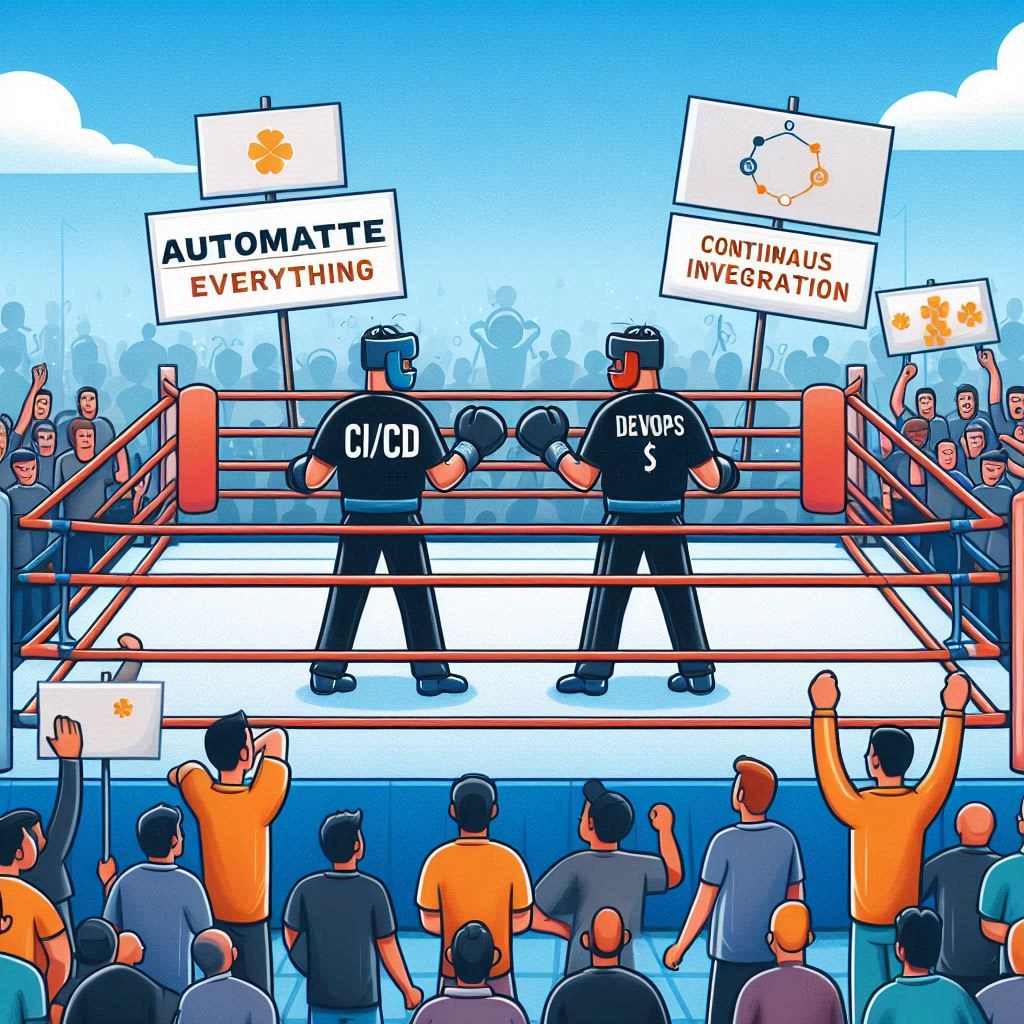
The terms CI/CD and DevOps are often used interchangeably in the tech industry, but they refer to distinct, albeit related, practices within software development and IT operations. Understanding the key differences between these concepts is essential for businesses aiming to streamline their development processes and deliver high-quality software efficiently.
1. What is CI/CD?
CI/CD stands for Continuous Integration and Continuous Delivery/Continuous Deployment. It is a methodology designed to automate and improve the software development process. Here’s a breakdown of its components:
- Continuous Integration (CI): This practice involves developers frequently merging their code changes into a shared repository, usually several times a day. Automated tests and builds are then run to detect any issues early in the development cycle. The main goal of CI is to identify and fix bugs faster, improve software quality, and reduce the time it takes to validate and release new software updates.
- Continuous Delivery (CD): Once code changes are integrated, Continuous Delivery ensures that these changes can be released into production at any time. This involves automated testing beyond unit tests, such as integration and acceptance tests, to ensure the code is always in a deployable state. The main goal of CD is to make the deployment process more efficient and reliable.
- Continuous Deployment (CD): A step further than Continuous Delivery, Continuous Deployment automates the release process. Every code change that passes the automated tests is automatically deployed to production without manual intervention. This practice allows for rapid and frequent releases, which can be crucial for businesses needing to respond quickly to market demands.
2. What is DevOps?
DevOps is a broader cultural and organizational movement that aims to bring development (Dev) and operations (Ops) teams together. The primary objective is to improve collaboration and communication between these traditionally siloed departments to deliver software more reliably and efficiently. DevOps encompasses a range of practices, including:
Automation: Automating repetitive and error-prone tasks to increase efficiency and reduce human error. DevOps automation services play a key role in this aspect.
- Collaboration: Encouraging a culture of shared responsibility and continuous feedback between development and operations teams.
- Continuous Improvement: Fostering an environment where teams can continuously improve processes, tools, and workflows to enhance software quality and delivery speed. DevOps automation services are instrumental in facilitating continuous improvement.
- Monitoring and Logging: Implementing robust monitoring and logging systems to gain insights into system performance and quickly identify and resolve issues.
3. Key Differences Between CI/CD and DevOps
While CI/CD and DevOps share the common goal of improving software delivery, they focus on different aspects of the process:
- Scope and Focus: CI/CD is specifically about automating the software development process, including coding, testing, and deploying. It focuses on the technical aspects of software delivery. DevOps, on the other hand, is a broader cultural shift that aims to bridge the gap between development and operations. It encompasses not only CI/CD practices but also aspects of collaboration, communication, and organizational change. DevOps automation services are pivotal in bridging this gap and enhancing the software delivery pipeline.
- Cultural vs. Technical: CI/CD is primarily a set of technical practices and tools that automate specific parts of the software development lifecycle. DevOps, however, is more about fostering a cultural change within an organization. It emphasizes breaking down silos between teams, promoting a culture of collaboration, and creating a mindset of continuous improvement. The role of DevOps automation services here is to support this cultural shift with the right tools and practices.
- Implementation: Implementing CI/CD usually involves setting up automated pipelines for integration, testing, and deployment. It requires technical tools and practices to be put in place. Implementing DevOps, however, involves a broader organizational change. It requires buy-in from all levels of the organization, changes in team structures, and the adoption of new cultural norms and practices. DevOps automation services provide the necessary framework and support for these implementations.
Conclusion
In summary, while CI/CD and DevOps are closely related and often work together to improve software delivery, they focus on different aspects of the process. CI/CD is more about the technical implementation of automated development and deployment practices, whereas DevOps is a cultural and organizational movement aimed at improving collaboration and efficiency across development and operations teams. Both are crucial for modern software development and can significantly enhance the agility, quality, and speed of software delivery.
By understanding and implementing both CI/CD and DevOps with the support of DevOps automation services, businesses can create a more efficient, collaborative, and high-performing software development environment.
About the Creator
Techify Solutions INC
Techify stands as the fastest-growing global tech company, with a presence in India and the United States and a diverse client base spanning India, USA, Australia, and UAE.
Enjoyed the story? Support the Creator.
Subscribe for free to receive all their stories in your feed.
Comments
There are no comments for this story
Be the first to respond and start the conversation.