
Joe D McLean on How Animal Rights Are Protected Around the World
Joseph Dee McLean Highlights Global Efforts and Challenges in Animal Rights Protection

Introduction
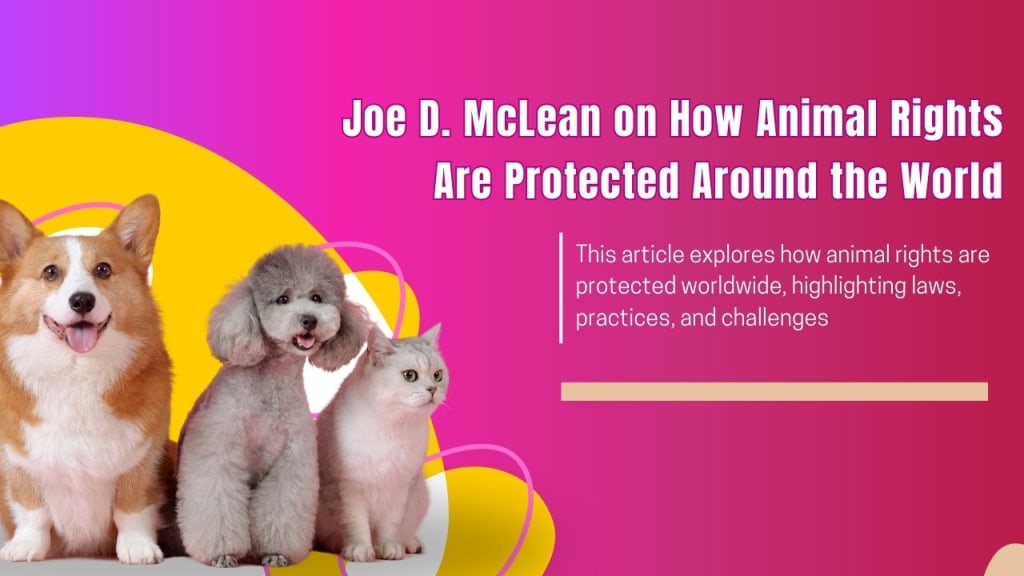
Animal rights have become a global concern over the past few decades. As societies evolve, there is growing recognition that animals deserve protection from cruelty, neglect, and exploitation. Joe D. McLean, a known advocate for ethical treatment of animals, has spoken extensively on how different countries approach animal welfare. This article explores how animal rights are protected worldwide, highlighting laws, practices, and challenges, with insights from McLean’s views.
Understanding Animal Rights
Animal rights refer to the idea that animals are entitled to certain moral and legal protections. This includes freedom from suffering, access to basic needs, and the right to live without unnecessary harm. While these rights vary across regions, the underlying principle remains the same: animals should not be treated solely as property or resources.
Joe D. McLean’s Perspective
Joe D. McLean believes that protecting animals is a moral duty and a reflection of a society’s values. According to Joseph Dee McLean, “The way we treat animals says a lot about who we are.” He emphasizes that while no system is perfect, laws and enforcement make a real difference. Education and awareness, he argues, are equally important.
Animal Protection Laws by Region
1. Europe
Europe is often seen as a leader in animal welfare. The European Union (EU) has implemented strong legislation, including:
- EU Animal Welfare Strategy: This sets a framework to improve animal welfare across member states.
- Bans on Animal Testing: The EU has banned cosmetic testing on animals and the sale of animal-tested products.
- Farming Standards: Strict rules exist on how farm animals are raised, transported, and slaughtered.
Countries like Germany, Sweden, and the Netherlands go even further by promoting plant-based alternatives and funding animal welfare education.
2. United States
In the U.S., animal protection laws vary by state but are supported by federal acts such as:
- The Animal Welfare Act (AWA): Passed in 1966, it sets basic standards for animals used in research, transport, and exhibition.
- The Humane Slaughter Act: Ensures that livestock are treated humanely before and during slaughter.
- Endangered Species Act (ESA): Offers protection to animals at risk of extinction.
While progress has been made, McLean points out that many U.S. laws focus more on animal welfare than animal rights, meaning animals are still viewed through a human-centered lens.
3. Canada
Canada has similar structures to the U.S. when it comes to animal protection. The Criminal Code prohibits cruelty, and many provinces have specific legislation on animal care. However, critics, including McLean, argue that enforcement is inconsistent and penalties are often too light.
4. Australia and New Zealand
These countries have comprehensive animal welfare laws. For example:
- New Zealand’s Animal Welfare Act (1999): Recognizes animals as sentient beings, meaning they can feel pain and distress.
- Australia’s Codes of Practice: Cover livestock handling, pet care, and research animals.
Joe D. McLean highlights New Zealand as a model, saying, “When a country legally recognizes animal sentience, it sets a powerful standard.”
5. Asia
Asia presents a mixed picture:
- India: Recognizes animal welfare in its constitution and has several laws under the Prevention of Cruelty to Animals Act. India bans cosmetic testing and promotes vegetarianism.
- China: Has begun making changes, especially after international criticism. Some cities have banned eating dog and cat meat.
- Japan and South Korea: Have laws against cruelty but are often criticized for weak enforcement and the continued use of animals in entertainment and traditional practices.
McLean urges more global pressure on countries lagging behind to improve standards and enforce them effectively.
6. Africa
In many African countries, animal rights are less developed due to economic challenges and lack of infrastructure. However, there are efforts:
- Kenya and South Africa: Have national parks and wildlife laws that protect endangered species.
- Botswana: Known for strict anti-poaching policies.
Joe D. McLean sees Africa as a region with great potential if more resources and education are directed toward animal protection.
Challenges to Animal Rights Globally
Despite legal progress, several challenges remain:
- Lack of Enforcement: Many countries have laws on paper but don’t enforce them.
- Cultural Practices: Some traditions involve animal use that conflicts with modern welfare standards.
- Economic Pressures: In poorer regions, animal welfare is often seen as a low priority.
- Factory Farming: A major issue worldwide, where animals are raised in inhumane conditions for maximum profit.
McLean stresses that change requires public support and political will. He advocates for global cooperation and stronger penalties for animal cruelty.
Role of International Organizations
Organizations like the World Animal Protection, Humane Society International, and PETA play key roles in advancing animal rights. They work with governments, run awareness campaigns, and provide rescue and rehabilitation services.
The United Nations has also acknowledged the link between animal welfare, sustainable development, and human health, especially in light of zoonotic diseases.
The Future of Animal Rights
Looking ahead, Joseph McLean believes that technology, ethics, and global awareness will drive positive change. He supports the development of:
- Lab-grown meat as an alternative to animal slaughter.
- Stricter international agreements to hold countries accountable.
- Education campaigns targeting schools and communities.
He concludes, “Real progress will come when we no longer need to debate whether animals deserve rights—because it will be obvious that they do.”
Conclusion
Animal rights are a global issue with diverse approaches and varying levels of success. From Europe’s advanced laws to the growing awareness in Asia and Africa, there is both progress and work to be done. Joe D. McLean’s insights help us understand the importance of consistent enforcement, public education, and moral responsibility. Protecting animals isn’t just about compassion—it’s about justice, sustainability, and the kind of world we want to build.
About the Creator
Joseph Dee McLean
Joe D McLean is an animal lover who works to protect and help animals in need. He started a group called Paws for a Cause that rescues animals and finds them safe homes.
Enjoyed the story? Support the Creator.
Subscribe for free to receive all their stories in your feed.
Comments
There are no comments for this story
Be the first to respond and start the conversation.