
Is Your Gas Stove Making You Sick? What You Need to Know
Unveiling the Hidden Dangers: Is Your Gas Stove Making You Sick? Here's What You Need to Know
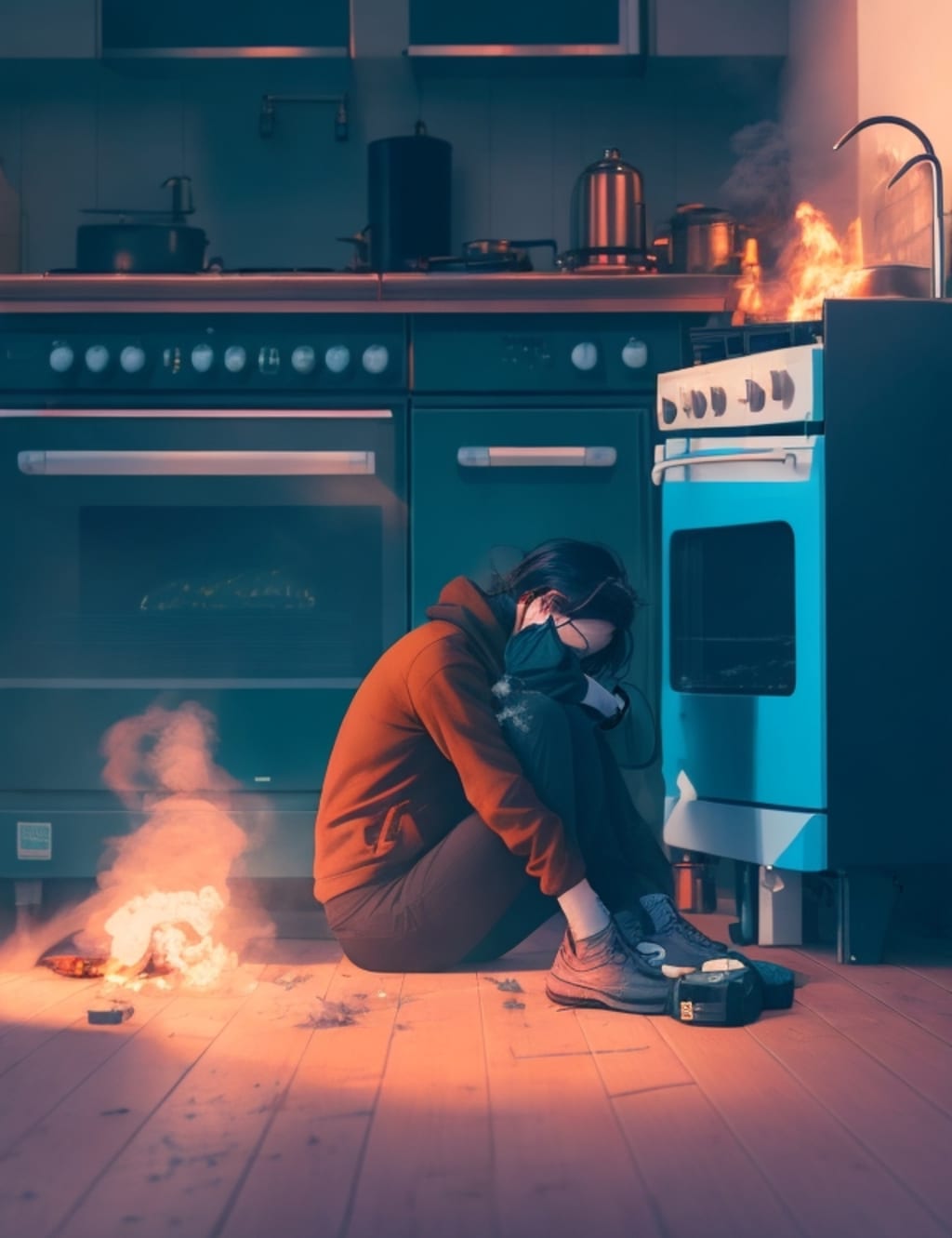
Is Your Gas Stove Making You Sick? What You Need to Know
Introduction
Gas stoves are a staple in many households, providing quick and efficient cooking. However, not many homeowners are aware of the potential health risks associated with gas stove usage. In this article, we'll be exploring the risks and ways to minimize them.
Understanding the Risks of Gas Stoves
Gas stoves can have serious health consequences due to their contribution to indoor air pollution and the dangers of carbon monoxide and nitrogen dioxide poisoning.
- Air Quality
Gas stoves are one of the leading contributors to indoor air pollution, which can have negative effects on our health. Indoor air pollution can cause respiratory problems, headaches, and eye irritation.
- Carbon Monoxide Poisoning
Carbon monoxide is a colorless, odorless gas that can cause sudden illness and death. Gas stoves can lead to carbon monoxide buildup, which can be fatal.
- Nitrogen Dioxide Exposure
Nitrogen dioxide is a toxic gas that can form when cooking with gas stoves. Prolonged exposure to nitrogen dioxide can cause respiratory problems such as asthma, and in severe cases even death.
Identifying the Signs of Gas Stove-Related Health Issues
It's important to be aware of the symptoms of carbon monoxide and nitrogen dioxide poisoning.
- Carbon Monoxide Poisoning Symptoms
The symptoms of carbon monoxide poisoning include headache, dizziness, weakness, nausea, and confusion.
- Nitrogen Dioxide Poisoning Symptoms
Symptoms of nitrogen dioxide exposure include shortness of breath, chest pain, coughing, and wheezing.
Measuring Gas Stove Emissions and Health Risks
There are professional and DIY testing methods to measure gas stove emissions and health risks.
- Professional Testing
Professional gas stove emission testing can give an accurate measurement of the amount of emissions produced by a gas stove. This can help homeowners make informed decisions regarding their health.
- DIY Testing
DIY gas stove emission testing involves using simple tests such as a carbon monoxide detector and a nitrogen dioxide test kit. While DIY testing can be cost-effective, it may not provide an accurate measurement of gas stove emissions.
Preventing Gas Stove-Related Health Issues
Proper ventilation and alternative cooking methods are effective in reducing the risk of gas stove-related health issues.
- Ventilation
Good ventilation is crucial when cooking with a gas stove. This includes using an exhaust hood that vents outside and opening windows to improve air flow.
- Use of Alternative Cooking Methods
Alternative cooking methods such as electric or induction stoves can significantly reduce the risk of gas stove-related health issues. However, these alternative methods may have their drawbacks.
Dealing with Gas Stove-Related Health Issues
If you suspect you may be experiencing gas stove-related health issues, seeking medical attention and reporting the emissions are key.
- Seeking Medical Attention
If you experience symptoms of carbon monoxide or nitrogen dioxide poisoning, seek medical attention immediately.
- Reporting Gas Stove Emissions
Reporting gas stove emissions to the relevant authorities can help identify and address issues with gas stoves in your community.
Frequently Asked Questions
Here are some common questions and answers regarding gas stove-related health issues.
Q: Is natural gas safe to use?
A: Natural gas is generally safe to use if proper safety measures are followed.
Q: Can gas stoves be used without producing harmful emissions?
A: It's difficult to completely eliminate emissions from gas stoves, but using proper ventilation and alternative cooking methods can significantly reduce the risk of harmful emissions.
Conclusion
In conclusion, while gas stoves are a popular choice for cooking, they can pose serious health risks. By understanding these risks and implementing preventative measures, homeowners can minimize the negative effects of gas stove usage. Remember to prioritize good ventilation and consider alternative cooking methods to protect your health.
About the Creator
Enjoyed the story? Support the Creator.
Subscribe for free to receive all their stories in your feed.
Comments
There are no comments for this story
Be the first to respond and start the conversation.