
Is Magnesium Stearate Harmful? Exploring Its Benefits and Risks
Is Magnesium Stearate Harmful, Benefits and Risks Explained

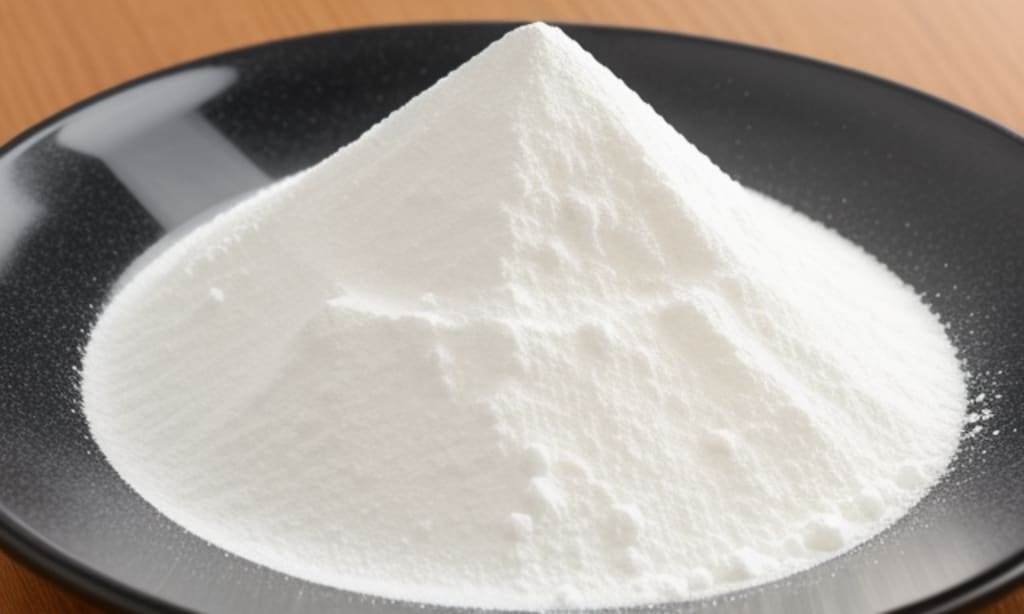
Magnesium stearate is a widely used ingredient in the pharmaceutical and food industries, often found in dietary supplements, medications, and various food products. As consumers become increasingly health-conscious, questions arise about the safety and potential risks associated with this compound. This article delves into the benefits and risks of magnesium stearate, providing a comprehensive overview for those curious about its implications for health.
Understanding Magnesium Stearate
Magnesium stearate is a magnesium salt of stearic acid, a fatty acid commonly derived from vegetable oils or animal fats. It serves primarily as a lubricant in the manufacturing of tablets and capsules, ensuring that ingredients flow smoothly during production. This property is crucial in the pharmaceutical industry, where the consistent quality of medications is paramount.
The Role of Magnesium Stearate in Pharmaceuticals
In pharmaceutical applications, magnesium stearate acts as a flow agent, preventing ingredients from sticking to machinery during the manufacturing process. This enhances the efficiency of production and ensures uniformity in tablet formulation. Furthermore, its binding properties contribute to the stability and integrity of tablets, making it an essential component in many formulations.
Benefits of Magnesium Stearate
The use of magnesium stearate offers several advantages, particularly in the pharmaceutical sector.
Enhanced Product Stability
One of the primary benefits of magnesium stearate is its ability to improve the stability of pharmaceutical products. By acting as a lubricant, it helps maintain the structural integrity of tablets and capsules during storage and transportation.
Improved Bioavailability
Magnesium stearate can enhance the bioavailability of certain active ingredients in supplements and medications. By facilitating better flow and mixing during production, it ensures that these ingredients are evenly distributed within the final product, potentially leading to more effective absorption by the body.
Safety Profile
Research indicates that magnesium stearate is generally recognized as safe (GRAS) when used in appropriate amounts. Regulatory agencies such as the FDA have approved its use in food and pharmaceuticals, further supporting its safety profile for consumers.
Potential Risks Associated with Magnesium Stearate
Despite its benefits, concerns have been raised regarding the potential risks associated with magnesium stearate.
Allergic Reactions
While rare, some individuals may experience allergic reactions to magnesium stearate. Symptoms can include skin rashes or gastrointestinal distress. It is essential for consumers to be aware of their sensitivities and consult healthcare professionals if they suspect an allergy.
Contaminant Concerns
Another concern revolves around the potential for contamination during manufacturing processes. If not properly sourced and produced under stringent quality controls, magnesium stearate could contain impurities that may pose health risks. Therefore, it is crucial for consumers to choose products from reputable manufacturers who adhere to good manufacturing practices (GMP).
Impact on Nutrient Absorption
Some studies suggest that excessive intake of magnesium stearate may interfere with nutrient absorption. However, these findings are still debated within the scientific community. Moderate consumption within recommended limits is unlikely to cause significant issues for most individuals.
Conclusion: Is Magnesium Stearate Harmful?
In summary, magnesium stearate is a commonly used ingredient in pharmaceuticals and food products that offers numerous benefits such as enhanced product stability and improved bioavailability. While it is generally considered safe when used appropriately, potential risks such as allergic reactions and contamination should not be overlooked. Consumers should remain informed about what they are ingesting and choose products from reputable sources to mitigate any risks associated with this compound.
Ultimately, understanding whether magnesium stearate is harmful involves weighing its benefits against potential risks. For most individuals consuming it within recommended limits, magnesium stearate poses minimal risk while providing valuable functionality in various products. As always, consulting healthcare professionals can help clarify any concerns regarding its use in dietary supplements or medications.
About the Creator
Ankit Pulps & Boards Pvt. Ltd.
Ankit Pulps and Boards Pvt. Ltd. leads in manufacturing and supplying superior Silicified Microcrystalline Cellulose. With a legacy of excellence and innovation, we are the trusted partner for top-tier quality and reliability.
Enjoyed the story? Support the Creator.
Subscribe for free to receive all their stories in your feed.
Comments
There are no comments for this story
Be the first to respond and start the conversation.