
Invisalign vs. Traditional Braces
If you're considering orthodontic treatment, you may be wondering whether Invisalign or traditional braces are right for you. Both options have their pros and cons, so it's important to do your research and speak with a qualified dentist in West Ealing, such as an Ealing dentist, to determine the best option for your unique needs. In this blog, we'll compare Invisalign and traditional braces, and explore the benefits of dental implants Ealing residents may consider.
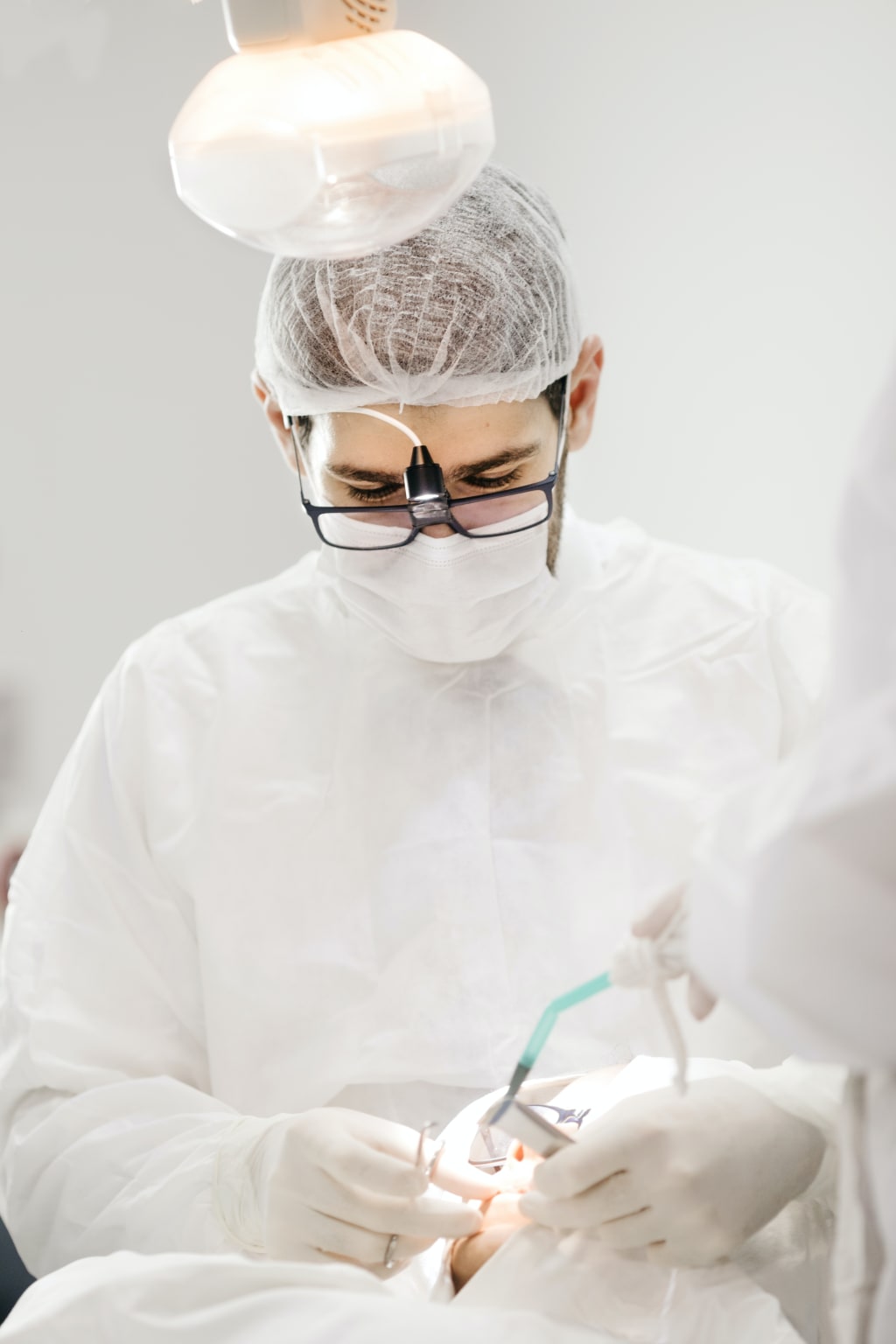
Invisalign is a modern, virtually invisible alternative to traditional braces. Instead of metal brackets and wires, Invisalign uses a series of clear, custom-made aligners to gradually move your teeth into the desired position. The aligners are removable, so you can take them out to eat, brush, and floss. Invisalign is a popular choice for adults and teenagers who are self-conscious about wearing traditional braces.
Traditional braces, on the other hand, use brackets that are bonded to the teeth and connected with wires. The wires are adjusted periodically by your dentist to gradually move your teeth into the correct position. Braces are not removable, so you'll need to avoid certain foods and take extra care when brushing and flossing.
One of the biggest advantages of Invisalign over traditional braces is that the aligners are virtually invisible. This can be a huge relief for people who are self-conscious about their appearance, particularly adults who may feel uncomfortable wearing braces. Invisalign aligners are also removable, which makes it easier to eat and clean your teeth. However, it's important to wear the aligners for at least 22 hours per day to achieve the best results.
Traditional braces, on the other hand, are typically more effective at treating complex orthodontic issues, such as severe crowding or bite problems. Braces can also be more affordable than Invisalign, depending on the complexity of your case and your dental insurance coverage. In addition, some people may prefer the look of traditional braces, particularly children and teenagers who view them as a rite of passage.
Whether you choose Invisalign or traditional braces, it's important to practice good oral hygiene during your treatment. This includes brushing and flossing regularly, and avoiding sticky, hard, or sugary foods that can damage your braces or aligners. Your dentist in West Ealing can provide guidance on how to care for your teeth and orthodontic appliances during your treatment.
Another option to consider is dental implants Ealing residents may consider. Dental implants are a permanent solution for missing teeth, and can be used to replace one or more teeth. Unlike dentures, dental implants are anchored to the jawbone, which provides a stable and secure foundation for the replacement tooth. Dental implants can improve your oral health, restore your smile, and boost your self-confidence.
If you're considering orthodontic treatment or dental implants Ealing residents may consider, it's important to choose a qualified and experienced dentist in West Ealing. Look for a dentist who is certified in orthodontics or dental implantology, and who has a track record of success with similar cases. You should also ask for referrals from friends, family members, or other healthcare professionals.
In conclusion, choosing between Invisalign and traditional braces can be a difficult decision, but it ultimately depends on your unique needs and preferences. Invisalign is a great option for people who want a discreet and removable option, while traditional braces are typically more effective for complex orthodontic issues. Dental implants Ealing residents may consider are another option to consider for missing teeth. To learn more about your options for orthodontic treatment or dental implants in Ealing, schedule a consultation with a qualified dentist today.
About the Creator
Enjoyed the story? Support the Creator.
Subscribe for free to receive all their stories in your feed.
Comments
There are no comments for this story
Be the first to respond and start the conversation.