
Investigation Update: 2024 Listeria Outbreak Linked to Yu Shang Food Products
Summary of the Listeria Outbreak

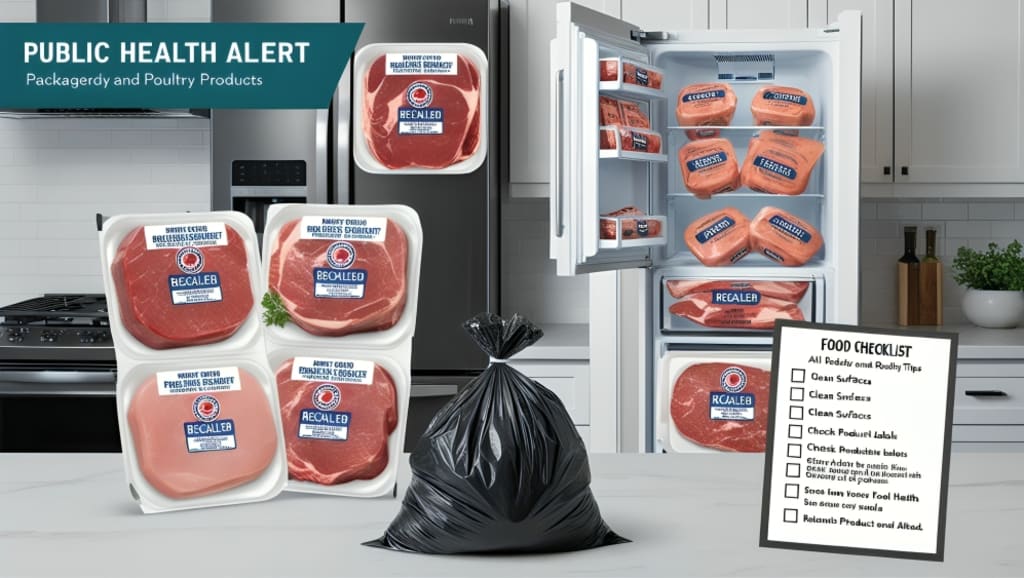
Summary of the Listeria Outbreak In 2024, the CDC collaborated with the public health officials of several states to launch an investigation on a Listeria monocytogenes outbreak. So far, that outbreak has been traced back to RTE meat and poultry products sold by Yu Shang Food; cases of illness caused by these contaminated products have spurred mass recall and a public health alert. Listeria monocytogenes is a bacterium capable of producing severe illness, especially among the vulnerable individuals, including pregnant women, the elderly, and persons whose immunological functions are deteriorated. The source of contamination can be traced as a prevention measure to avoid future occurrences and to safeguard the public. What is Listeria Monocytogenes? Listeria monocytogenes is a bacterium that occurs widely in soil, water, and certain animals. Unlike many other bacteria, Listeria tolerates cold temperatures, growing and even surviving under refrigerator conditions. It makes it much more hazardous if food is ready to eat, not cooked or heated before eating. Symptoms of Listeriosis The symptoms of a Listeria infection, called listeriosis include: Fever Painful muscle aches Fatigue Vomiting or diarrhea in milder forms Miscarriage, stillbirth, and preterm labour are defined as miscarriage, stillbirth or preterm labor in pregnant women. At the worst end they trigger cases of meningitis, septicemia or death, especially in elderly or immunocompromised patients. Role of Yu Shang Food Products The investigations have been able to trace the outbreak to ready-to-eat meat and poultry products from Yu Shang Food. Such products are typically consumed without further cooking or preparation, hence particularly risky if contaminated. Products Recall Yu Shang Food has made several recalls of its meat and poultry products. The company made these products and sold them through various retail and wholesale outlets in several states. Some of the products recalled include RTE deli-style meats Packaged poultry products Pre-sliced or marinated items Retailers and consumers who have purchased any Yu Shang Food RTE meat and poultry should check the package for detailed information for recall. Contamination Information Preliminary information suggests that contamination is believed to have taken place at the processing or packaging step. The investigators will conduct a very detailed analysis of the facilities where these products were processed in terms of ascertaining if the food safety systems in place were competent enough. Investigation Activity Multistate Coordination The CDC works hand in hand with the U.S. Department of Agriculture's Food Safety and Inspection Service and public health officials from several states on the mission to: Identify other cases of Listeria Infection. Tracing the spread of contaminated products Guaranteeing removal of affected products at stores and homes Testing and Tracing Advanced tests in the laboratory have been used by scientists on the Listeria samples. It shows that the whole-genome sequencing proves whether the samples of Listeria that were isolated from the patients have a genetic connection to those identified in the Yu Shang Food products. It gives the officials a surety that indeed there is a connection between the contaminated food products and the illnesses. Case Tracking To date, some of the illnesses have been associated with Listeria infection, and the cases have occurred in several states. Each case will be investigated to see if it is linked to the recalled product. Consumer Actions Awareness of Recalled Products Consumers should be aware of the Yu Shang Food brand name associated with any RTE meat or RTE poultry products they may have purchased. The following may be included: END Brand name: Yu Shang Food Product names and description Lot numbers and packaging dates What to Do if You Have Recalled Products If you have any of the recalled products in your home, follow these steps: Do not eat them. Ingestion of these products may lead to Listeria infection. Discard them properly. Put the products in a sealed bag before throwing them in the trash to avoid further contamination. Return them to the store. Numerous retailers are providing refunds or exchanges for items affected by the recall. Cleaning and Disinfection Listeria can contaminate surfaces and spread to other foods in your refrigerator. After disposing of the recalled products, it is essential to: Clean your refrigerator with hot, soapy water. Sanitize surfaces using a solution of one tablespoon of bleach per gallon of water. Wash your hands thoroughly after handling the recalled products. Protection of at-Risk Populations Who is Most at Risk? A few groups have an increased risk of a more severe case of listeriosis, including the following: Pregnant women: Listeria can cross the placenta and potentially expose the foetus to infection, which might result in miscarriage or stillbirth. Elderly adults: The compromised older adult's immuno-compromised status makes it even harder to treat infections. Immunocompromised persons: Cancer, HIV, and diabetes patients are at higher risk for a very severe form of listeriosis. Prevention Decrease your chances of getting infected by Listeria: Do not consume unsafe or suspected RTE foods. Cook RTE foods to an internal minimum temperature of 165°F. Whether the product label claims it has been pre-cooked. Store, handle, and wash food at home safely. Raw foods can be divided into ready-to-eat items while others like raw sprouts and raw meat, poultry, seafood should be separated. Food Safety Tips For Vendors Food vendors should remove all Yu Shang Food products recalled from all shelves and sales immediately. The vendors must notify consumers in advance regarding the recall of the products as well as their money refund or replacement mode. Food Processors Food safety requirements should be increased and handled effectively in this outbreak. Yu Shang Food and other manufacturers should: Clean processing areas in-depth. Test, at intervals, its products and surfaces for contamination of Listeria. Take corrective measures to avoid recurrence of contamination incidence in the future. For Public Health Agencies Public health agencies should: Continue monitoring for new cases during the outbreak. Give public notice immediately. Reach out to the involved individuals or communities.
About the Creator
Enjoyed the story? Support the Creator.
Subscribe for free to receive all their stories in your feed.
Comments
There are no comments for this story
Be the first to respond and start the conversation.