
Imaging Technology's Changing Role in Deep Plane Facelift Procedure Planning.
Importance of imaging tools in Deep Plane Facelift surgery planning
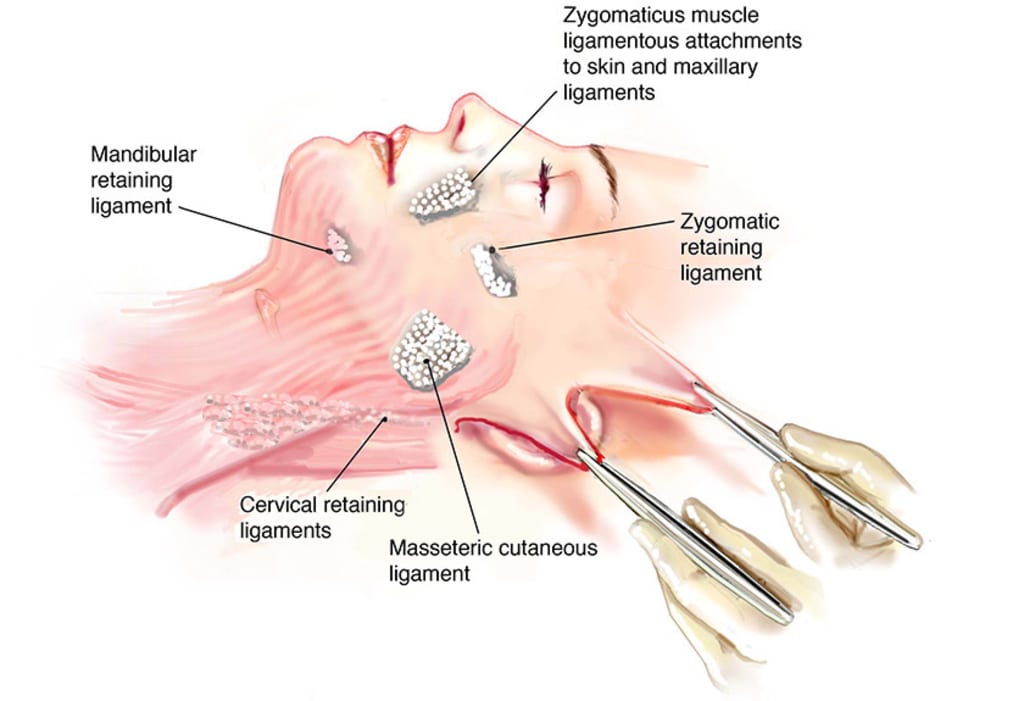
The Deep Plane Facelift is a complicated and advanced face rejuvenation surgery that aims to tighten facial skin and realign underlying tissues for more natural and long-lasting results. The importance of imaging tools in Deep Plane Facelift surgery planning has evolved significantly as medical technology has advanced. These advancements have transformed the preoperative assessment and strategic execution of this complex treatment, improving precision, safety, and overall outcomes.
Imaging Technology's Emergence in Deep Plane Facelifts
Introducing imaging techniques into the Deep Plane Facelift environment marks an important change in surgical planning and execution. Facial rejuvenation operations have traditionally relied mainly on visual inspection and two-dimensional imaging tools, which provide limited insight into the complicated facial structures and underlying tissue depths. Surgeons today have unprecedented access to detailed anatomical information because of new imaging modalities such as three-dimensional (3D) imaging, computed tomography (CT) scans, and magnetic resonance imaging (MRI). These technologies offer a more comprehensive visualization of the facial anatomy, revealing intricate details of muscles, fat compartments, and vascular structures that were previously challenging to discern.
Modern imaging technologies have significantly improved the preoperative evaluation phase of Deep Plane Facelifts. High-resolution 3D imaging allows surgeons to create detailed three-dimensional models of a patient's facial structures, enabling analysis of facial volume distribution, tissue depths, and connections between anatomical components. CT scans and MRIs provide cross-sectional views of soft tissues and underlying structures, allowing surgeons to pinpoint layers of tissue needed during surgery. This precise visualization improves the surgeon's understanding of each patient's unique facial traits, leading to more personalized surgical plans.
Moreover, modern imaging technologies allow better surgeon and patient interaction. These imaging techniques enable surgeons to provide the patient with visual representations of the proposed surgical approach and projected outcomes. This visual support helps patients understand the proposed modifications, resulting in a more informed decision-making process. Patients can see possible postoperative outcomes, which allows them to match expectations between the surgeon and the individual receiving the treatment.
Advantages of Imaging Technology in Deep Plane Facelift Planning
The Deep Plane Facelift planning phase incorporates imaging technologies to enhance surgical precision and patient outcomes. Advanced imaging modalities like 3D imaging, CT scans, and MRI provide detailed representations of facial anatomy, allowing surgeons to understand facial features like muscles, fat compartments, and neurovascular bundles. This allows for a more specific surgical strategy, modifying treatment to each patient's unique anatomical features and treating specific areas of concern.
Furthermore, imaging technology provides virtual simulations and predictive analysis, which allows more precise and strategic surgical planning. Surgeons can use advanced software to modify the patient's facial structures digitally, modelling every aspect of the Deep Plane Facelift. This predictive technique helps surgeons see and plan tissue relocation, optimizing the surgical strategy for reaching desired aesthetic goals. By digitally previewing potential outcomes, surgeons can make informed decisions about the extent and direction of tissue manipulation during surgery, contributing to increased precision and accuracy.
Challenges and Limitations
The Deep Plane Facelift is a popular procedure for addressing facial aging layers, but it faces challenges due to its complexity and technical demands. The process requires high surgical expertise and precision due to the deep dissection involved, which includes sensitive nerves and blood arteries, increasing the risk of complications like nerve injury, bleeding, or long-term swelling. The procedure also requires precise attention to detail for ideal outcomes.
Another issue with Deep Plane Facelifts is the possibility of longer recovery periods and postoperative discomfort. The complex tissue treatment involved in the Deep Plane procedure may result in a longer recovery time for patients compared to less invasive facelift treatments. Due to this significant dissection, postoperative swelling and bruising may be more prominent, resulting in discomfort. Patients getting Deep Plane Facelifts may suffer a prolonged period of transitory changes before completely accepting the outcomes, which may cause issues in patient satisfaction during the healing phase.
Deep Plane Facelift procedures have significant limitations in terms of accessibility and cost. The complexity of the process necessitates professional knowledge and advanced training, limiting the number of experienced surgeons. This limited pool of experienced surgeons affects the accessibility of this technique. Additionally, deep plane facelifts may be more expensive than standard methods due to their high surgical complexity, modern imaging, and longer operating periods.
In conclusion, integrating imaging technology in Deep Plane Facelift procedure planning represents a paradigm shift in cosmetic surgery. These sophisticated tools empower surgeons with a deeper understanding of facial anatomy, enabling precise surgical interventions. While challenges persist, the continuous evolution of imaging technology promises to refine further and elevate the art of facial rejuvenation surgeries, ultimately benefiting both surgeons and patients alike.
About the Creator
Enjoyed the story? Support the Creator.
Subscribe for free to receive all their stories in your feed.
Comments
There are no comments for this story
Be the first to respond and start the conversation.