
How to Use Mifepristone and Misoprostol
What to expect, how the abortion pill works, side effects, and when to seek care—explained clearly and without judgment.

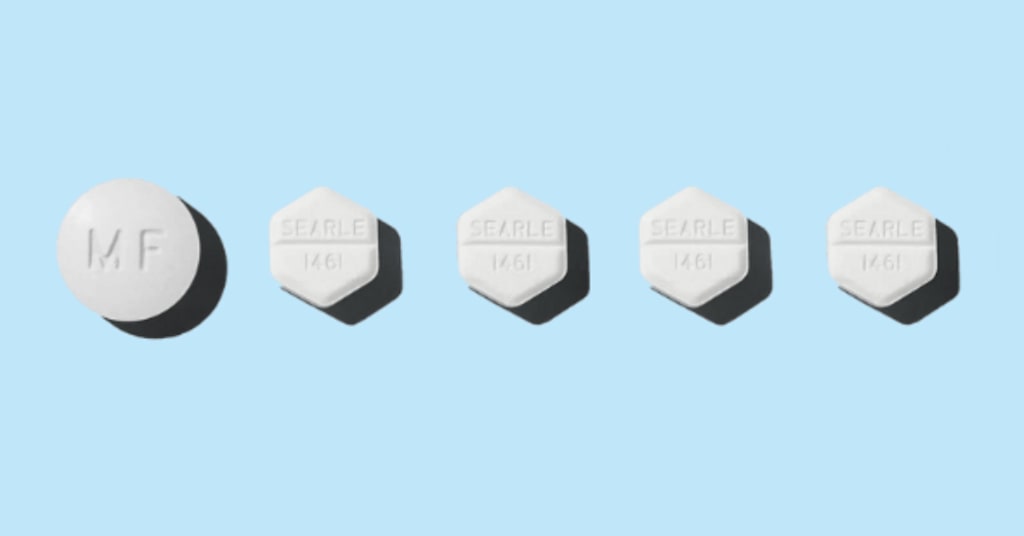
If you’re looking into how to use Mifepristone and Misoprostol, you’re probably not just searching for clinical facts—you want clarity, reassurance, and honest expectations. I’ve worked with many patients navigating this decision, and one thing is consistent: people want straightforward, judgment-free information they can trust.
This guide walks through the medical abortion process in a way that reflects both medical guidance (from sources like the FDA, ACOG, and WHO) and real-world experience—what people often feel, misunderstand, or wish they knew earlier.
Understanding the Medical Abortion Process
A medication abortion involves two medicines:
- Mifepristone (Mifeprex)
- Misoprostol (Cytotec)
Together, they form what’s often called the Mifeprex and Cytotec regimen.
At a high level:
Mifepristone blocks progesterone, a hormone needed to maintain pregnancy.
Misoprostol causes the uterus to contract and expel the pregnancy tissue.
This combination is widely studied and considered safe and effective in early pregnancy (typically up to 10–12 weeks, depending on guidelines and provider recommendations).
How Effective Are Abortion Pills?
One of the most common concerns I hear is: “Will this actually work?”
The short answer:
The abortion pill effectiveness is very high—generally around 95–99% in early pregnancy.
However, it’s important to understand that:
Effectiveness can vary slightly depending on how far along the pregnancy is.
A small percentage of people may need additional medication or a follow-up procedure.
That uncertainty can feel stressful, and it’s completely valid to want reassurance. Most people do not experience complications, but knowing what’s normal—and what isn’t—matters.
What to Expect Before Taking the Medication
Before starting the process, a few things usually happen (depending on access and location):
- Confirming pregnancy (home test or clinic)
- Estimating how far along the pregnancy is
- Reviewing medical history
- Discussing any risk factors (like ectopic pregnancy)
Some people go through a clinic or telehealth provider, while others explore options like abortion pills online. Access varies depending on U.S. state laws, which change frequently—so it’s important to verify what applies where you live.
Emotionally, this stage can feel heavier than expected. I’ve seen patients second-guess themselves—not necessarily about their decision, but about whether they’re “doing it right.” That’s normal. You’re navigating something personal and often time-sensitive.
How to Use Mifepristone and Misoprostol (High-Level Overview)
Let’s talk through the general structure without turning this into a substitute for medical care.
Step 1: Taking Mifepristone
- Usually taken first, by mouth.
- Most people don’t feel much immediately after taking it.
- Some may notice light bleeding, but many don’t.
Step 2: Taking Misoprostol
- Taken later (timing depends on the regimen advised by a provider).
- This is when the main process begins.
There are different ways of taking Misoprostol buccally vs. sublingually:
- Buccal: tablets placed between cheek and gum
- Sublingual: tablets placed under the tongue
Both methods allow the medication to dissolve and be absorbed into the bloodstream.
I often get asked which is “better.” Medically, both are effective when used correctly. The choice often comes down to comfort, guidance from a provider, and individual circumstances.
👉 If you’re looking for structured guidance later, you can refer to detailed abortion pill instructions (anchor placeholder).
What the Experience Actually Feels Like
This is where clinical descriptions don’t always match lived experience.
After taking Misoprostol, most people experience:
- Cramping (often stronger than a typical period)
- Bleeding (sometimes heavy, with clots)
- Chills or a mild fever
- Nausea or fatigue
The intensity varies a lot.
Some people describe it as:
- “Like a very heavy period”
- Others say it feels closer to early labor cramps
Both can be true. Bodies respond differently.
Normal Bleeding After Abortion Pill
Let’s talk about bleeding, because it’s one of the biggest sources of anxiety.
- Normal bleeding after abortion pill can include:
- Heavy flow for several hours
- Passing clots (sometimes large)
Lighter bleeding or spotting that can continue for 1–2 weeks (sometimes longer)
What surprises many people is how unpredictable it can be:
- It may start suddenly
- It may come in waves
- It may taper off and then briefly increase again
That unpredictability doesn’t necessarily mean something is wrong.
Managing Pain During Medical Abortion
Pain management is another major concern.
From what I’ve seen, planning ahead makes a big difference.
Common approaches include:
- Over-the-counter pain relievers (as advised by a provider)
- Heating pads
- Rest and hydration
Beyond physical comfort, emotional support matters too. Even if someone feels confident in their decision, the physical intensity can be draining.
Some people prefer to go through it privately, while others feel safer having someone nearby. There’s no “right” way—just what feels manageable for you.
Side Effects vs. Warning Signs
It’s easy to confuse normal side effects with complications.
- Common abortion pill side effects include:
- Cramping
- Bleeding
- Nausea
- Fever or chills (short-term)
- Diarrhea
These are expected and usually resolve on their own.
We’ll go deeper into abortion pill warning signs and when to seek care in the next section—because knowing that line clearly is one of the most important parts of feeling in control.
A Quick Note on Privacy and Access
Some people prioritize discretion when exploring options. Services like abortionpillsinprivate are often discussed in that context, though it’s essential to verify legitimacy and safety before using any provider.
If privacy is a concern for you, it’s worth taking time to understand your options carefully rather than rushing.
Abortion Pill Side Effects: What’s Expected
After taking Misoprostol, your body is doing exactly what it’s supposed to do—contracting to empty the uterus. That process comes with side effects, some of which can feel stronger than anticipated.
- Here’s what I typically prepare patients for:
- Common Side Effects
- Moderate to strong cramping
- Heavy bleeding with clots
- Nausea or vomiting
- Fever and chills (usually within the first 24 hours)
- Diarrhea
- Headache or dizziness
- Fatigue
A detail that often catches people off guard:
The chills and fever can feel intense—but they’re usually short-lived. I’ve had patients describe it as feeling like the flu for a few hours, then suddenly easing.
How Long Do Side Effects Last?
The timeline varies, but a general pattern looks like this:
- First 6–12 hours after Misoprostol : The most intense symptoms usually happen here (cramping + heavy bleeding).
- 24–48 hours : Cramping becomes milder, bleeding continues but is less heavy.
- 1–2 weeks (sometimes longer) : Light bleeding or spotting.
What’s important to understand is that recovery isn’t always linear. Some people feel mostly fine the next day, while others need a few days to regain energy.
Managing Pain During Medical Abortion (Realistically)
Pain is one of the biggest unknowns going into this.
Here’s what actually helps in practice:
- Take pain relief early, not after the cramps peak (as advised by a provider)
- Use a heating pad—it makes a noticeable difference
- Stay hydrated, even if you don’t feel like eating
- Rest in a comfortable, private space
One thing I’ve noticed: anxiety can amplify the perception of pain. When someone knows what’s happening in their body, the experience often feels more manageable—even if it’s still physically intense.
Abortion Pill Warning Signs: When Something Isn’t Normal
This is the part you don’t want to guess your way through.
While complications are rare, it’s important to recognize abortion pill warning signs early.
Seek medical care if you experience:
- Very heavy bleeding (Soaking 2 or more maxi pads per hour for 2 consecutive hours)
- Severe abdominal pain that doesn’t improve with medication
- Fever lasting more than 24 hours after Misoprostol (or a high fever that starts later)
- Foul-smelling vaginal discharge
- No bleeding at all after taking Misoprostol
- Ongoing pregnancy symptoms (like persistent nausea or breast tenderness)
- Feeling faint, weak, or signs of possible dehydration
I always tell people:
If something feels off, it’s okay to get checked. You’re not overreacting—you’re being careful.
When to See a Doctor After Taking Misoprostol
Even if everything seems normal, follow-up matters.
You should consider checking in with a healthcare provider if:
- You’re unsure whether the process was complete
- Bleeding continues heavily beyond what feels manageable
- You want confirmation (via test or ultrasound)
- You simply want reassurance
In many cases, follow-up can be done through:
- Telehealth consultation
- At-home pregnancy tests (after a few weeks)
- In-clinic visits, if accessible
One common misunderstanding is thinking you’ll “just know” if it worked. Sometimes you do—but not always. That’s why follow-up is part of safe care, not an extra step.
What If the Abortion Pill Doesn’t Work?
This is a quieter concern, but a real one.
While abortion pill effectiveness is high, a small percentage of people may experience:
- Incomplete abortion (some tissue remains)
- Ongoing pregnancy
If that happens, options may include:
- A repeat dose of medication
- A simple in-clinic procedure
This doesn’t mean something went “wrong”—just that your body responded differently.
Emotional Reactions: Often Overlooked, Still Important
Most guides focus only on physical symptoms, but emotional responses can be just as varied.
- Some people feel:
- Relief
- Calm
- Tired but okay
- Others may feel:
- Unexpected sadness
- Mood swings (partly hormonal)
- A need for quiet and space
There’s no single “correct” emotional reaction. What matters is giving yourself room to process it—without judgment.
Privacy, Support, and Real-Life Concerns
Not everyone has the same level of support or privacy.
Some common concerns I hear:
- “What if someone finds out?”
- “Can I go through this alone?”
- “Do I need to tell a doctor everything?”
In most cases, if you seek medical care, treatment focuses on your symptoms—not how you obtained the medication. Providers are trained to manage miscarriage and abortion-related care in similar ways.
Still, comfort levels vary. Some people prefer to have a trusted person nearby—even if just on call.
Making Sense of Online Information
There’s a lot of conflicting advice online, especially around abortion pill instructions. Some of it is helpful, some outdated, and some just incorrect.
If you’re researching, prioritize:
- Medically backed sources (FDA, WHO, ACOG)
- Clear, consistent guidance across multiple sources
- Information that explains why, not just what
Avoid anything that:
- Promises 100% certainty
- Downplays risks entirely
- Uses fear to push decisions
Taking Misoprostol Buccally vs. Sublingually
One of the most common points of confusion is the difference between taking Misoprostol buccally vs. sublingually.
Here’s a simple, medically accurate breakdown:
Buccal (between cheek and gum)
- Tablets are placed inside the cheeks
- They dissolve gradually over about 30 minutes
- Any remaining fragments are swallowed afterward
Sublingual (under the tongue)
- Tablets dissolve under the tongue
- Absorption tends to be quicker
- Can sometimes cause slightly stronger side effects (like nausea or chills)
Does one work better than the other?
Both methods are considered effective when used correctly. The choice often depends on:
- Provider guidance
- Personal comfort
- Access to clear, reliable instructions
From what I’ve seen, people tend to choose the method that feels easier to manage in their environment. For example, if privacy is important, buccal use can feel a bit more discreet.
Why the Mifepristone + Misoprostol Combination Matters
You might come across discussions about using Misoprostol alone. While that is an option in some contexts, the Mifeprex and Cytotec regimen (both medications together) is:
- More effective overall
- More predictable in timing
- Associated with slightly fewer follow-up interventions
That’s why most U.S.-based medical guidance prioritizes the combined approach when it’s available.
What “Completion” Actually Means
A question I hear a lot is: “How do I know it’s done?”
Completion doesn’t always look the same for everyone, but generally includes:
A noticeable decrease in heavy bleeding after the main event
Passing clots or tissue
Gradual reduction in pregnancy symptoms
However—and this is important—
you don’t always get a clear, single moment of confirmation.
That’s why follow-up (as mentioned earlier) matters. It removes guesswork and gives you peace of mind.
Practical Tips People Often Wish They Knew Earlier
These aren’t medical instructions, but real-world insights that come up again and again:
- Timing matters for comfort : Many people prefer to take Misoprostol when they can rest afterward (evening or a day off).
- Have supplies ready : Pads, water, light food, pain relief, and a comfortable space.
- Expect unpredictability : Even when everything is “normal,” the timing and intensity can vary.
- Don’t rely on one source of information : Cross-check anything you read—especially when it comes to abortion pill instructions.
Access and Discretion
Some people choose clinics or telehealth providers, while others explore abortion pills online due to privacy, cost, or location barriers.
If you’re considering options like Order abortion pills privately, take time to:
- Verify the credibility of the source
- Ensure the medications are legitimate
- Look for medically reviewed guidance
It’s understandable to prioritize privacy—but safety should always come first.
FAQ: Real Questions People Ask
1. Are abortion pills 100% effective?
No. While abortion pill effectiveness is very high (typically 95–99% in early pregnancy), no method is 100% guaranteed. A small number of people may need additional care.
2. How long does the whole process take?
The most intense part usually happens within hours after taking Misoprostol, but bleeding and recovery can continue for 1–2 weeks or longer.
3. Can I go through this alone?
Physically, many people do. But having someone available—physically or by phone—can make a big difference emotionally and practically.
4. What if I don’t bleed much?
Minimal or no bleeding after Misoprostol can be a sign the medication didn’t work as expected. This is one situation where you should follow up with a healthcare provider.
5. When should I take a pregnancy test afterward?
Usually 3–4 weeks later, because testing too early can give misleading results due to lingering hormones.
A Balanced Perspective: What This Experience Really Is
Medication abortion is often described as “simple,” but that word can be misleading.
Medically, yes—it’s straightforward and well-studied.
Experientially, it can be:
- Physically intense for a short period
- Emotionally neutral for some, complex for others
- Logistically manageable—but only with the right information
Most people move through it without complications. But feeling prepared—not just informed—is what makes the biggest difference.
Final Thoughts
If you’re navigating this decision, you deserve information that is:
- Clear, not confusing
- Honest, not alarmist
- Supportive, not judgmental
Understanding how to use Mifepristone and Misoprostol isn’t just about the medications—it’s about knowing what’s happening in your body, what’s normal, and when to reach out for care.
Take your time, verify what you read, and don’t hesitate to seek professional guidance if something feels uncertain.
Important Disclaimer
This content is for informational purposes only and is not a substitute for professional medical advice, diagnosis, or treatment. Always consult a qualified healthcare provider for guidance specific to your situation. Abortion laws vary by U.S. state and may change, so it’s important to stay informed about current regulations.
About the Creator
Caroline Reed
Caroline is a healthcare professional and writer with a background in women's health and family medicine. She has worked across telehealth and in-person care settings, helping people navigate health decisions with clarity and confidence.
Enjoyed the story? Support the Creator.
Subscribe for free to receive all their stories in your feed.
Comments
There are no comments for this story
Be the first to respond and start the conversation.