
How to Turn Your Backyard Into an Outdoor Sanctuary (Without Breaking the Bank)
Simple, Budget-Friendly Ideas to Create a Relaxing, Functional, and Beautiful Outdoor Space
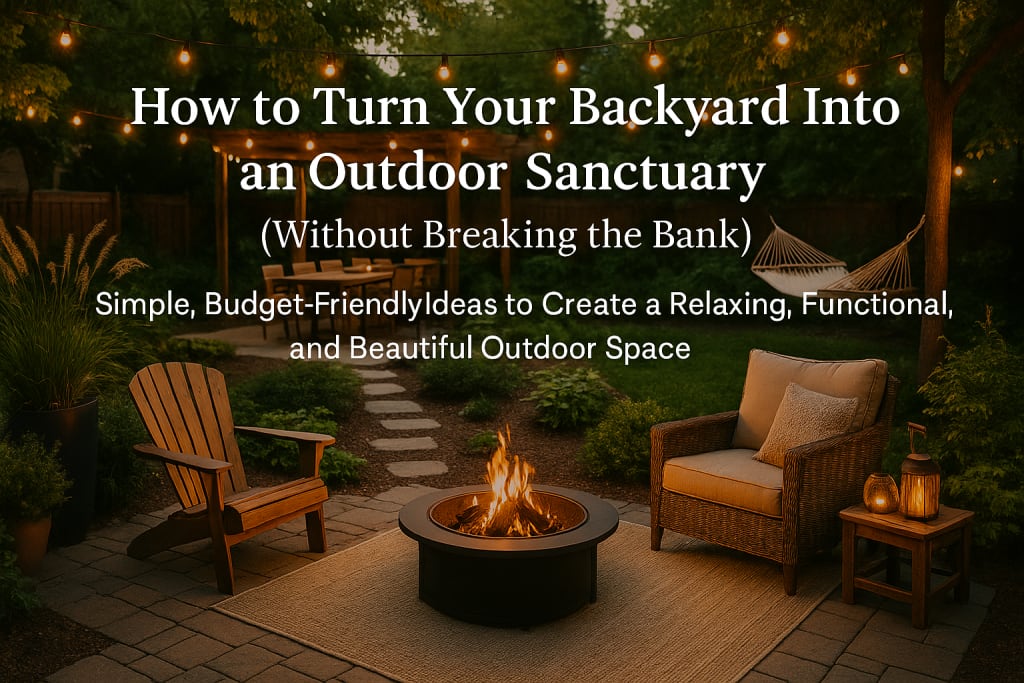
By Sage Willow
When I first moved into my home in Austin, I had a weed-filled backyard, a tired patio slab, and a big dream: to turn that patch of earth into a peaceful, practical retreat.
Today, it’s my favorite “room” in the house and it’s outside.
If you’re dreaming of an outdoor space that feels like a true extension of your home somewhere you can cook, unwind, host friends, or simply listen to the birds with your morning coffee you’re not alone. Outdoor living is more than a trend; it’s a lifestyle shift toward wellness, connection, and sustainable living.
Here’s how you can start creating your own backyard sanctuary step-by-doable-step.
Step 1: Rethink What “Outdoor Living” Means for You
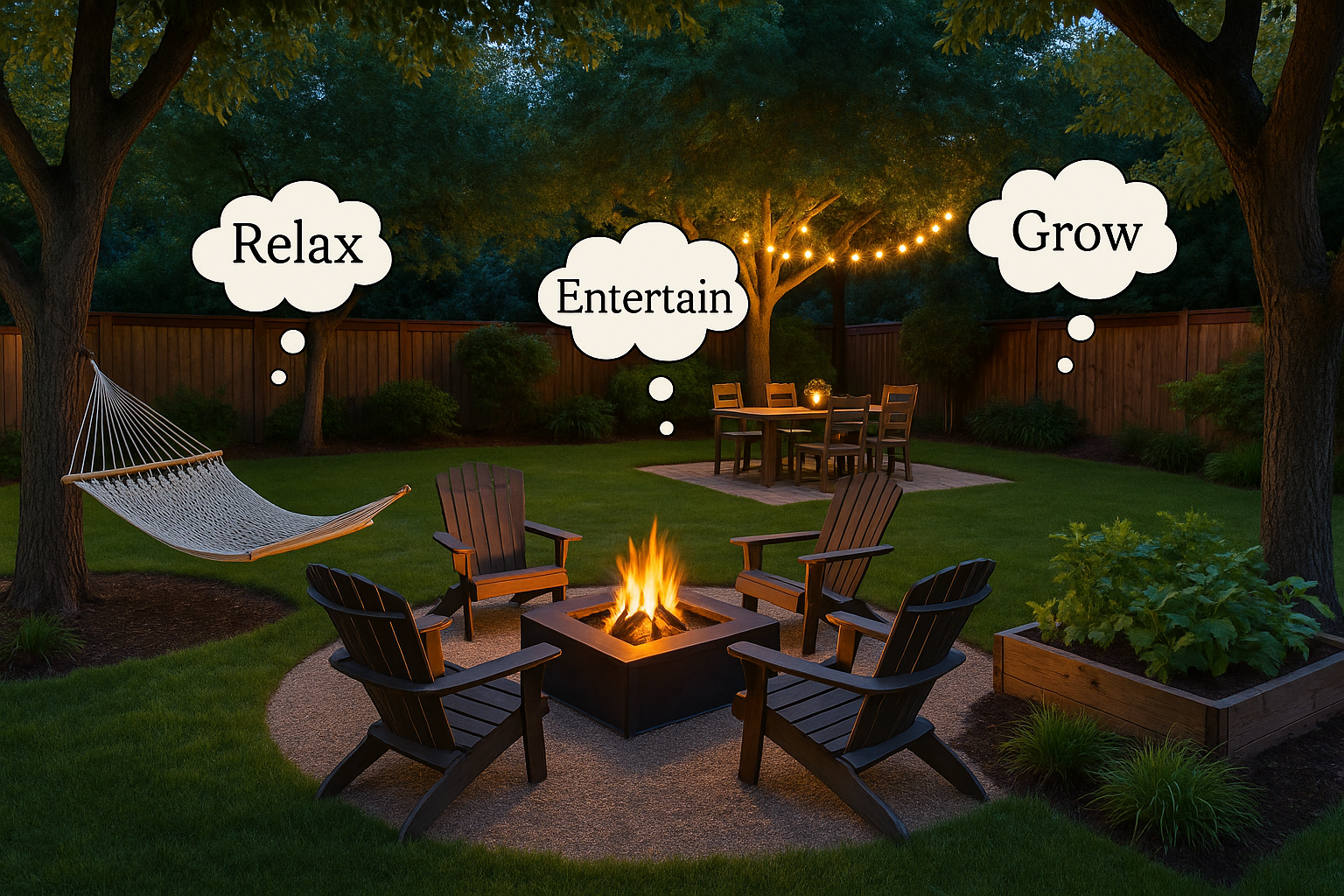
Before you plant a single flower or buy a fire pit, ask yourself:
How do I want to use this space? (Lounging? Cooking? Gardening? Hosting?)
Who is it for? (Family dinners? Solo relaxation? Weekend barbecues with friends?)
What mood am I trying to create? (Cozy and rustic? Sleek and modern? Natural and serene?)
Your answers will shape everything else — from the layout to the lighting.
Step 2: Work With What You HaveYou don’t need acres of land or a huge budget. I’ve worked with clients who transformed postage-stamp patios into gorgeous nooks of greenery and calm.
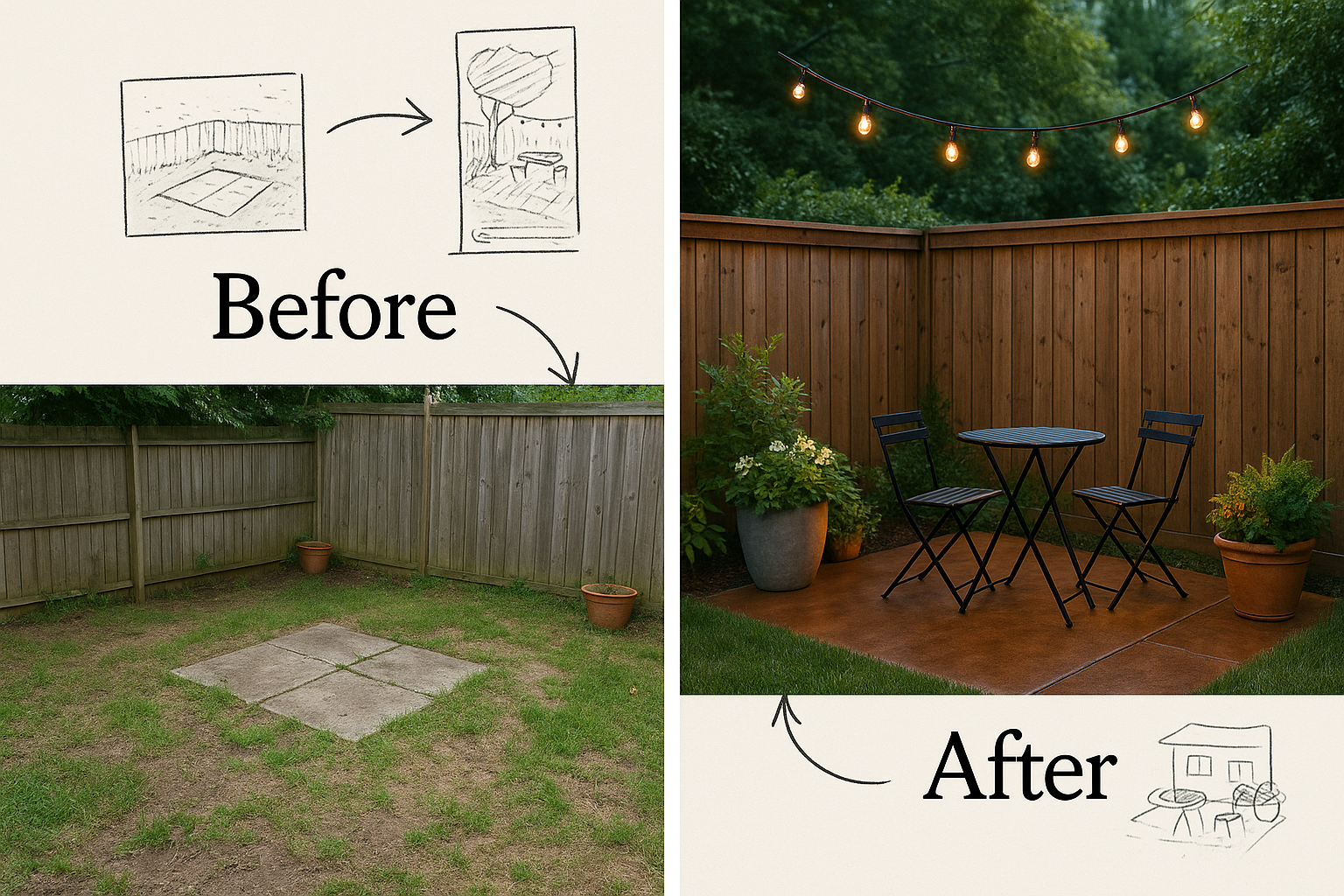
Start by observing your space:
Where does the light fall throughout the day?
Are there natural privacy barriers (like fences or trees) you can work with?
What existing elements — like a deck or pathway — can be reused or refreshed?
Tip: A coat of stain, some string lights, and a few container plants can completely change a tired patio.
Step 3: Choose Plants That Love Your Climate (and You)Low-maintenance landscaping is the name of the game. I recommend starting with native plants — they’re adapted to your soil, need less water, and attract local pollinators.
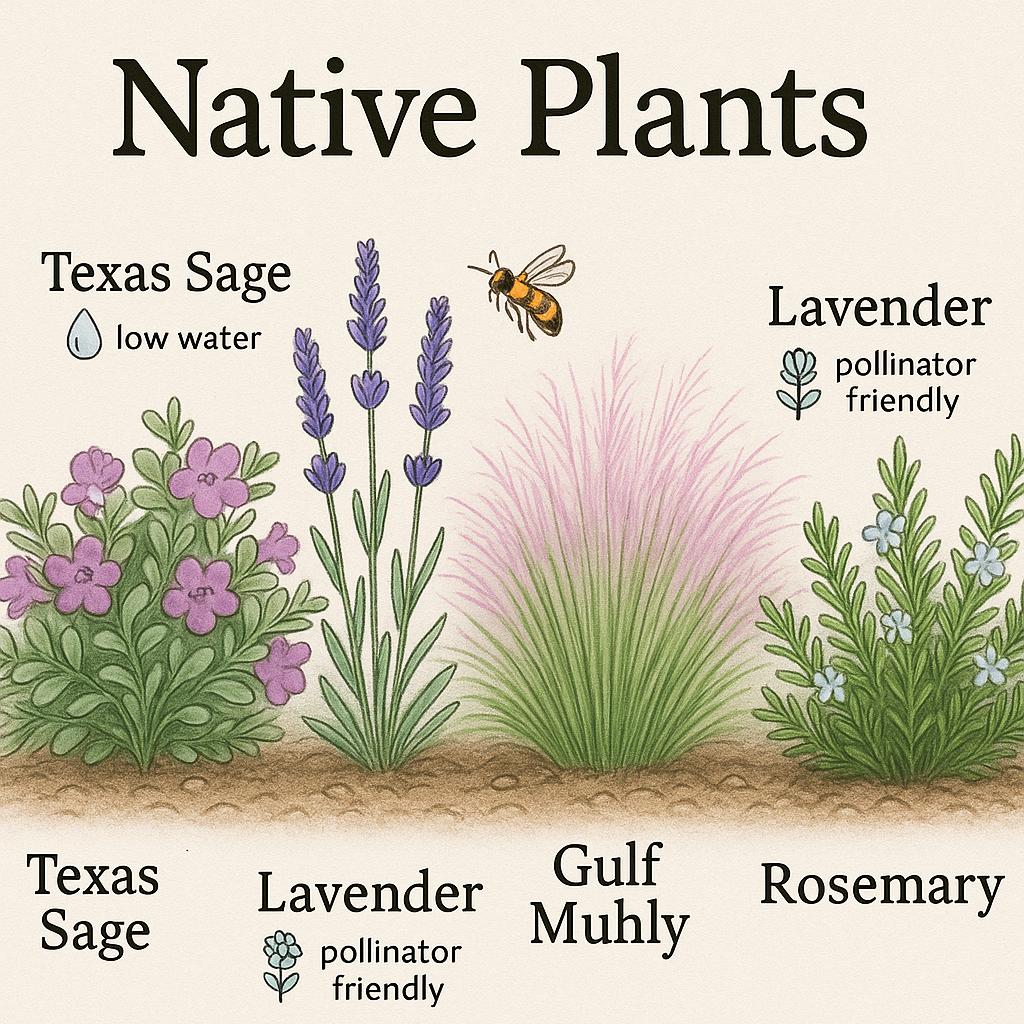
A few of my Texas favorites:
Turk’s Cap (Malvaviscus)
Texas Sage
Gulf Muhly Grass
Lavender (great in containers!)
Mix in some herbs like rosemary or mint near your seating area — they smell amazing and deter pests naturally.
Step 4: Create Outdoor “Rooms”Think of your yard as having zones, like rooms in a house. Even a small space can feel expansive when it’s intentionally divided.
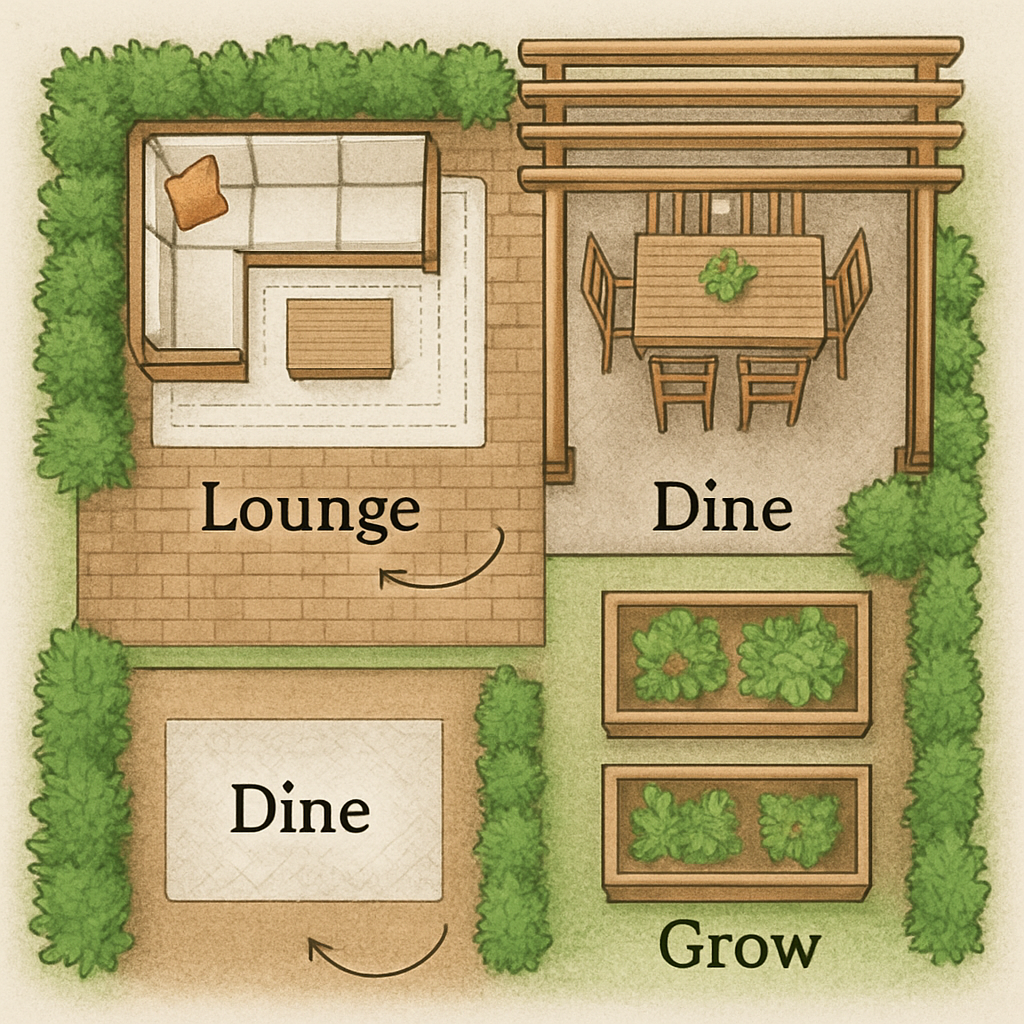
Ideas:
A lounging area with comfy chairs and cushions
A dining spot with string lights overhead
A garden corner with raised beds or vertical planters
Use pavers, rugs, planters, or even low fencing to define areas.
Step 5: Layer in Comfort and Personality
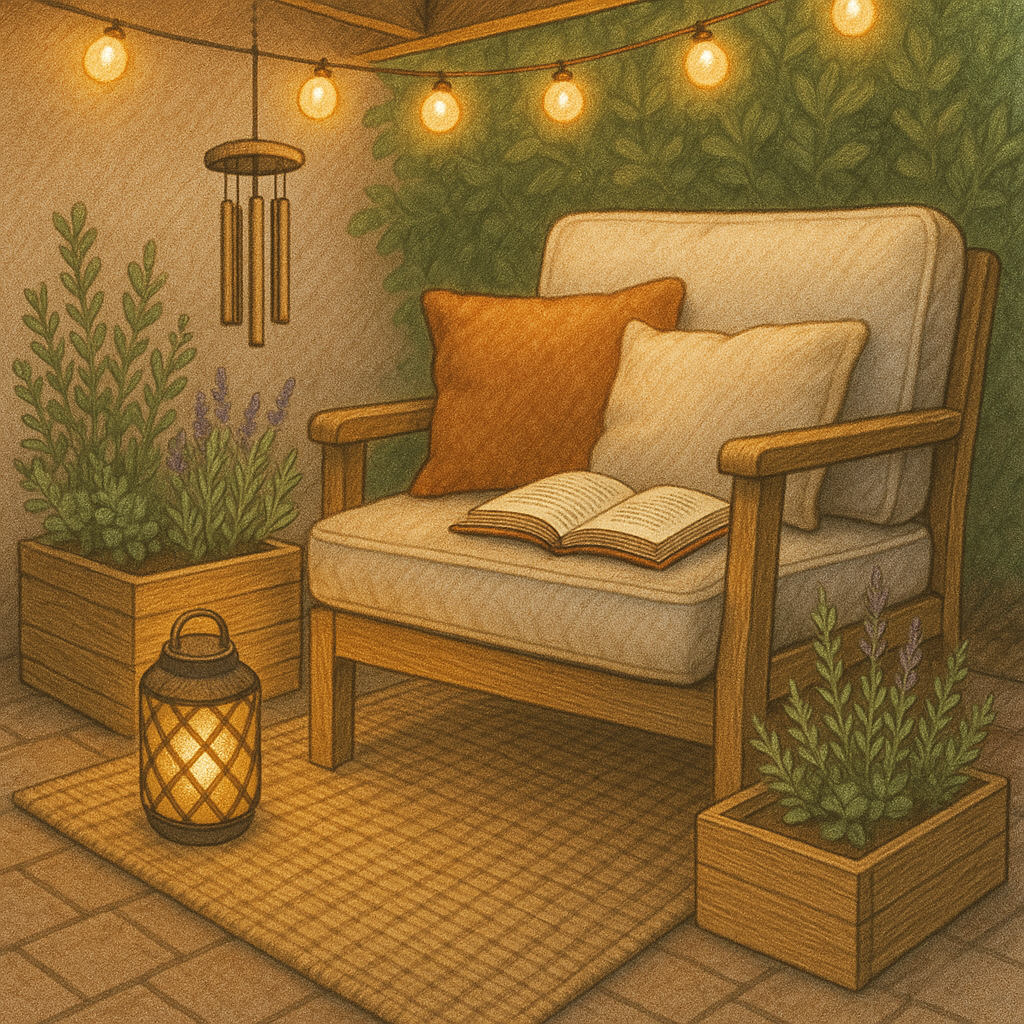
What takes an outdoor space from “functional” to “fabulous”? Texture, light, and personality.
Consider adding:
Outdoor rugs and weatherproof pillows in earthy tones
Solar lanterns, string lights, or pathway lighting
A small water feature for sound and serenity
DIY art, wind chimes, or hanging planters
My rule of thumb? If it feels like something you’d use inside, it probably belongs outside, too.
Step 6: Be Kind to the Earth As You DesignSustainability is woven into every design I do. You can do the same by:
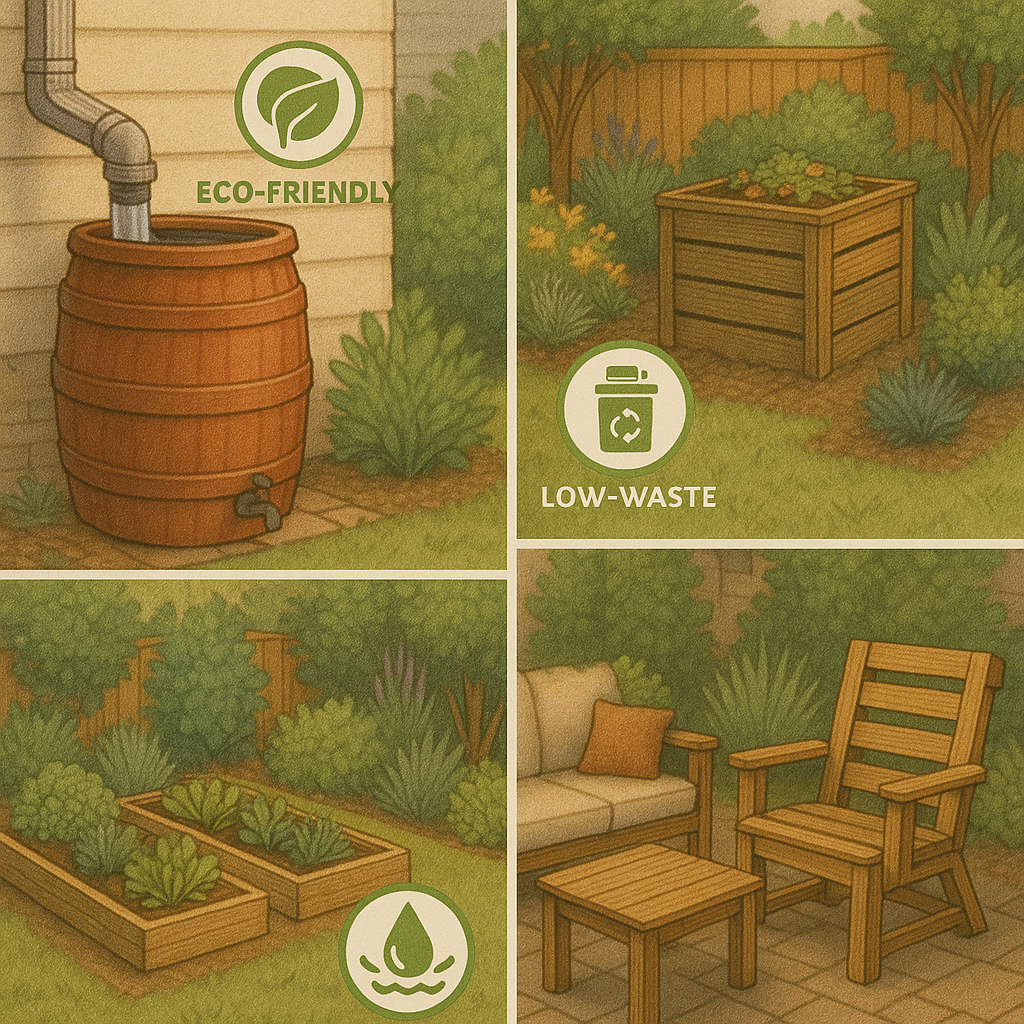
Choosing permeable surfaces for patios and walkways
Installing rain barrels or drip irrigation
Using reclaimed or upcycled furniture
Composting plant waste to enrich your soil
These small steps make a big impact and often save money in the long run.
Outdoor living isn’t about perfection. It’s about connection — to nature, to your senses, to the people you love.
Whether you’re sipping coffee under the pergola or roasting marshmallows with your kids, you’re creating something that nourishes your whole life.
Ready to dig in? I’ll be here every step of the way.
Until next time breathe deep, step outside, and stay rooted.
Sage Willow
About the Creator
Enjoyed the story? Support the Creator.
Subscribe for free to receive all their stories in your feed.
Comments
There are no comments for this story
Be the first to respond and start the conversation.