
How to Start the Process of Building a House
Process of Building a House | Step By Step Guide

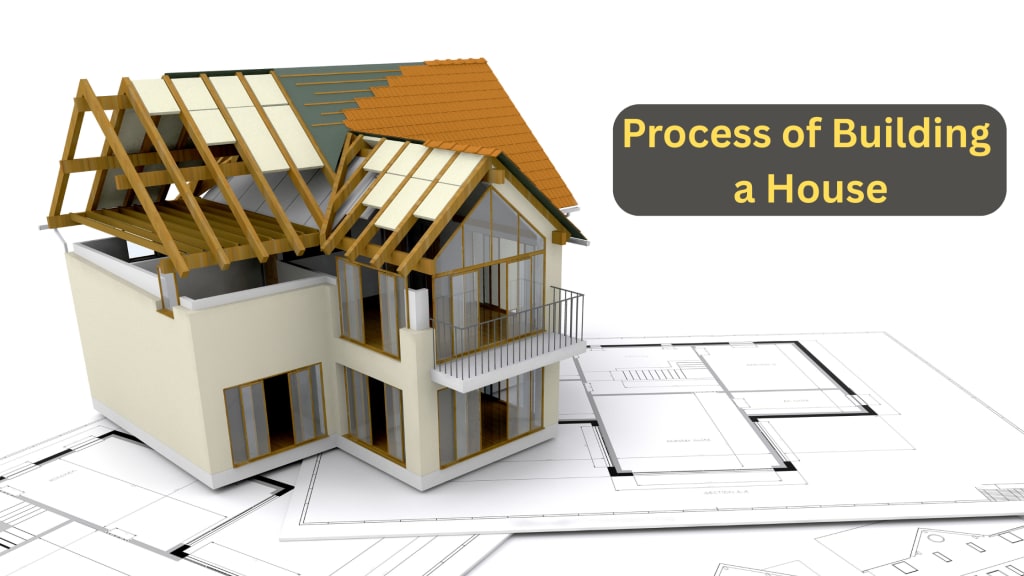
Building a house is one of the most significant investments in a person’s life, yet many don’t know where to begin. If you are planning to build your own house from scratch, it can be a big step as well as challenging step. But it allows you to create a home as per your desire and gives you control over every minute detail of your house. However, building a house includes complex processes, which take time, planning, and the right team. This process feels confusing and hard at first, but a right plan can make it easier. This guide will explore the various steps of building a house, and you will learn where to start, how to planning, choosing the right land, managing your budget, and finding people who can help you build your home step by step.
Step by Step Process of Building a House
Following are the steps which are essential to follow for building a right house:
1.Set Your Vision and Goals for the House
A successful house builds with clear vision and goals. Therefore, before initiate building your house decide why you need a house, is it for your family’s comfort, or as an investment? Also make a list of your requirements of the house as number of rooms, size of kitchen, outdoor spaces and special rooms like for gym, study and work. This list will help you and your architect to understand all requirements.
2.Plan Your Budget and Finances for the House
Budgeting and financing is one of the most important steps in building a house. Start by using construction estimating to list all possible costs and identify sources of finance. These are the following steps:
1. Estimate Costs: Make a list of all expected costs such as land, building material, labor, permits and utilities.
2. Add Extra Funds: There should be 10% extra budget for unexpected expenses.
3. Find Financing: to arrange the finance for house decide whether you will use savings, loans, or both to pay for the project.
4. List of Expected Budget: Make a simple list to keep in check your all spending.
Expense Category: Estimated Cost Notes
Land Purchase: Location and size matter
Construction: Materials and labor
Permits & Fees: Local government charges
Utilities: Water, electricity, sewage
Landscaping & Others: Garden, furniture, extras
Contingency (10%): Unexpected costs
3.Choose and Check Your Land for the House:
The most important step for building a house is to select a right land that fits your needs. These are the essential considerations:
- Distance to work or school
- Safety of the area
- Zoning rules and building limits
- Whether the area floods or not
- If the land is flat or sloped
- Whether water, electricity, and gas are available
- Access to roads and shops
Note: Check the land before you buy. Test the soil. Make sure it is safe to build. Ask about flood risks and local rules. Some areas have strict building codes.
4.Select Your Home Building Team
You will need experts to help you. This includes an architect to design the house, an engineer to check safety, and a contractor to manage building. You might also want an interior designer. Choose people with good experience and clear communication.
5.Plan Layout and Home Design
Work with your architect to create your house plan. This includes:
1.Layouts of the house: Planning layout helps in shaping the architect of house and in deciding number of rooms, size of kitchen etc. and where they should be located.
2.Designs of the house: Choosing designs helps to identify the look of your house and its interior and exterior.
3.Materials: Choose the right material that compliment to your budget and requirements.
After making layouts and designs of house, submit it to local authorities for approval. Approval is essential for start building the house.
6.Get Permits and Legal Approvals
Before start building the house, its necessary to get all essential permits. These permits include:
- Building permit
- Environmental clearances
- Utility connection approvals
For that purpose visit your local government office. This step can take time, so, initiate it as soon as possible and keep ready all documents safe.
7.Prepare the Site and Build the Foundation
After getting the approvals, clear the land by remove trees, rocks, and level the ground. The preparation of the site includes:
- Experts will test the soil and make sure it is safe
- Install the base utilities
- Building the foundation
There are few types of foundation based on the soil and location. It is very important step that supports whole structure of the house.
Common foundation types are:
Foundation Type | Description | Best For
Slab Foundation | Concrete slab poured on ground | Flat land, warm climates
Crawl Space | Raised foundation with space below | Uneven land, moisture control
Basement | Full underground level | Cold climates, extra space
Your engineer will help you choose the right one based on your land and design.
8. Frame and Build the Structure of House
After completing the foundation of the house, builders put up the frame. This means building walls, floors, and the roof structure. This step shapes the house and defines the rooms. Check the work regularly to make sure it follows the plan.
9. Install Systems of the House
Once house’s walls, roof and floors are ready, the next step is to install the systems that make your house work. This includes:
1. Electrical Wiring: The electrician installs wires for lights, sockets, and appliances.
2. Plumbing: The plumber fits pipes for clean water and for removing used water.
3. Heating and Cooling: A system is added to keep the house warm in winter and cool in summer.
Each system must meet safety rules and local codes. Have experts inspect the work before moving on.
10. Add Insulation and Seal Openings
Adding insulation in walls, roof, and floors is essential to keep your house safe and adjustable as it remains warm in winter and cool in summer. To protect home from excessive moisture and air from outside it is essential to seal windows and doors. This process will helps save energy and makes your home comfortable.
11. Complete Inside and Outside Work
After done with the installation of systems and insulation, it is important to choose color of paint, install your walls and roofing, lay flours and install cabinets. You can choose colors and stuff according to your designs. It will add personal touches to make the house feel like home.
12. Add Fixtures and Final Details
When roofing and walls are completed, the process of installing lights, fans, air conditioners, kitchen appliances, and bathroom fixtures. To make your house more beautiful, decorate your garden or yard with plants.
13. Final Checks and Move In
Check out the house with your builder and check if everything is working well. Consider these things before moving in:
- Look at doors, taps, lights, and walls.
- Make a list of anything that needs fixing.
- Ask the builder to fix those issues.
- Collect warranties and manuals for all appliances.
- Get final approval papers from the builder.
- Set up services like water, power, gas, internet, and trash.
- Plan basic care like cleaning gutters and doing small repairs on time.
Conclusion
Building a house from scratch is a complex task and takes time and efforts. Therefore, you need a comprehensive planning, expert team. However, it gives you a house that meets all your desired requirements. For that purpose above mentioned steps are crucial. With follow each step carefully and with right approach you can build a home that fits your life and dreams. So, start now and watch your dream come true.
About the Creator
Alaric Elowen
I am a Professional Construction Estimator specializing in quantity takeoffs, labor cost analysis, and material estimation for residential projects.
Enjoyed the story? Support the Creator.
Subscribe for free to receive all their stories in your feed.
Comments
There are no comments for this story
Be the first to respond and start the conversation.