
How to Properly Stop Bleeding and Care for Wounds: A Practical Guide Everyone Should Know
Accidents can happen anywhere, and knowing how to stop bleeding and care for wounds can make the difference between a quick recovery and a medical emergency. This guide covers essential first aid steps, when to seek professional help, and how hands-on training tools like a wound packing trainer can help learners and healthcare professionals build life-saving skills.
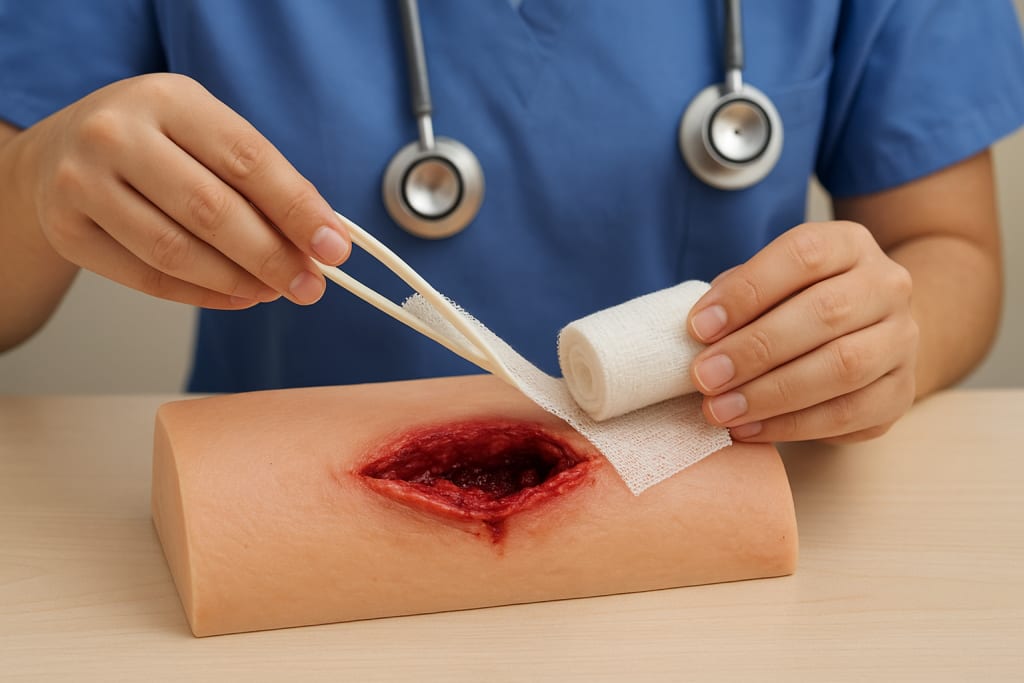
We don't expect accidents to happen, but they often strike at the most inconvenient times. Whether it’s a kitchen cut, a scraped knee on the playground, or a more serious injury in the field, one truth remains the same: stopping bleeding quickly and caring for wounds properly can save lives. This is not just knowledge for healthcare professionals - every individual can benefit from understanding these essential steps.
Why Immediate Action Matters
Bleeding may look minor at first, but without proper control it can lead to infection, shock, or worse. The first few minutes after an injury are critical. Immediate response helps to:
- Control blood loss and stabilize the patient.
- Reduce the chance of infection.
- Prepare the wound for further medical treatment if necessary.
This means knowing what to do - and practicing these skills - can be just as important as having a first aid kit on hand.
Step 1: Control the Bleeding
The first priority is always to stop the bleeding. Use these proven techniques:
- Apply direct pressure. Use a clean cloth, gauze, or even your hand if nothing else is available. Maintain firm pressure for several minutes without interruption.
- Elevate the wound. If it’s on an arm or leg, lift the limb above heart level to slow blood flow.
- Use advanced techniques for severe bleeding. If blood is spurting or soaking through dressings quickly, continuous firm pressure is essential. A tourniquet may be necessary in extreme cases, but it should only be used by someone trained in its application.
Step 2: Clean the Wound
Once bleeding slows, cleaning the wound reduces the risk of infection.
- Wash your hands thoroughly before touching the wound.
- Rinse the area gently with clean running water to remove dirt and debris.
- Avoid pouring strong antiseptics like undiluted hydrogen peroxide directly into deep wounds - they may damage tissue.
- Cleaning is not just about appearance - it creates the foundation for proper healing.
Step 3: Protect and Cover
A wound left uncovered is vulnerable to bacteria and dirt. Protect it with a sterile dressing:
- Pat the skin dry around the wound.
- Apply a thin layer of antibiotic ointment if available.
- Place a sterile bandage or dressing over the wound.
- Secure with tape or a wrap that is snug but not tight enough to cut off circulation.
Dressing changes should happen at least once daily or when the bandage becomes wet or dirty.
Step 4: Watch for Warning Signs
Not all wounds heal without complications. Seek medical attention if you notice:
- Increasing redness, warmth, or swelling.
- Pus or unusual discharge.
- Severe pain that does not improve.
- Fever or feeling generally unwell.
- Persistent bleeding despite pressure.
These are indicators of infection or more serious complications that require professional care.
Step 5: Know When to Call for Help
Certain injuries always need professional attention:
- Deep or gaping wounds that may need stitches.
- Animal bites or puncture wounds.
- Injuries with visible bone, tendon, or fat.
- Wounds caused by rusty or contaminated objects.
- Severe bleeding that cannot be controlled.
Even if first aid provides temporary relief, professional medical care ensures proper healing and reduces long-term risks.
Practice Builds Confidence
Reading about wound care is one thing - performing it under pressure is another. That's why training is so important. Healthcare students, first responders, and even everyday individuals benefit from hands-on practice.
Simulation tools like a wound packing trainer are designed for exactly this purpose. They provide a realistic, safe way to practice packing wounds, controlling bleeding, and applying dressings before facing an emergency. By rehearsing these techniques, you build muscle memory that makes your response faster and more effective in real life.
Final Thoughts
Wound care doesn't have to be complicated, but it does require knowledge, preparation, and practice. By following the key steps - control bleeding, clean carefully, protect with dressings, monitor for infection, and seek help when necessary - you can make a real difference in an emergency.
For students and professionals who want to take their training further, tools like wound packing trainers provide a safe and effective way to refine critical skills. Because when an emergency happens, the best response is one that comes naturally, from practice and confidence.
About the Creator
Enjoyed the story? Support the Creator.
Subscribe for free to receive all their stories in your feed.
Comments
There are no comments for this story
Be the first to respond and start the conversation.