
How to Price Your Woodworking Projects
A good pricing guide is key to making sure you earn enough.
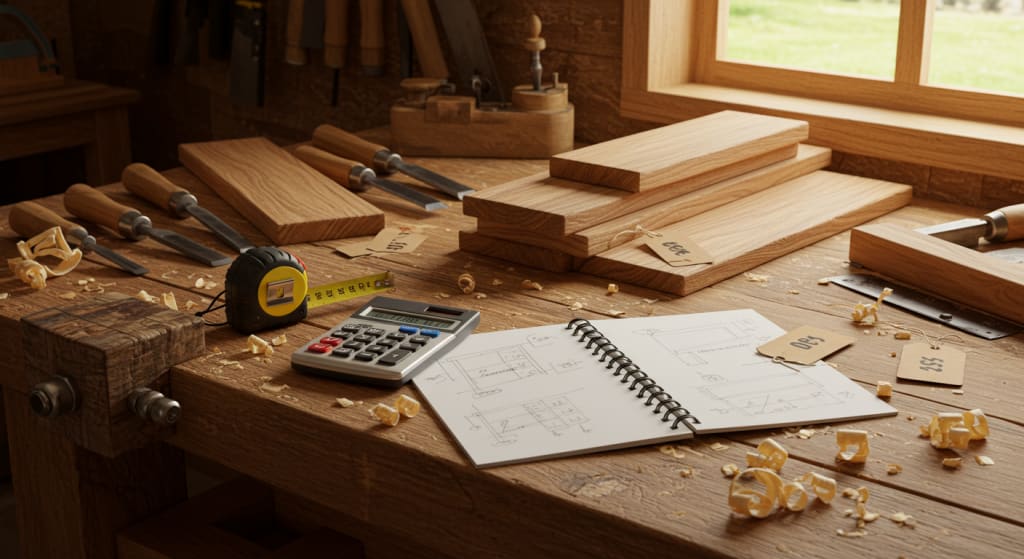
Figuring out the right price for your woodworking projects can be tough. A good pricing guide is key to making sure you earn enough. It helps you cover costs and make a profit. Knowing what affects prices lets you create a guide that suits your business.
Having a strong pricing plan is important. It helps you deal with the tricky parts of pricing your projects. By looking at what impacts costs, you can make a guide that keeps you competitive and profitable.
Introduction to Woodworking Pricing
A pricing guide is vital for woodworkers who want to make their hobby a business. It shows the importance of setting the right prices. With a good guide, your business can grow, and you can cover your costs.
Key Takeaways
- Developing a woodworking pricing guide is essential for any woodworker
- Understanding your woodworking project costs is crucial for determining prices
- A well-structured pricing guide helps you stay competitive and profitable
- Considering various elements that impact pricing is vital for a successful business
- Having a solid pricing strategy in place helps navigate the complexities of pricing
- A woodworking pricing guide helps ensure you're charging enough to cover costs and make a profit
See how to access "Earth's Largest Database of Woodworking Projects!"
Understanding the Basics of Woodworking Project Pricing
Running a successful woodworking business depends a lot on pricing. You need to know how to price your projects right. This means looking at material, labor, and overhead costs. With the right tips and strategies, you can price your work well and make a good profit.
There are three main parts to a project's cost: materials, labor, and overhead. Materials include wood, hardware, and finishes. Labor is the time and effort needed to finish the project. Overhead costs cover things like rent, utilities, and equipment.
The Three Core Pricing Components
- Material costs: the cost of materials used to create the project
- Labor costs: the cost of time and effort required to complete the project
- Overhead costs: the cost of rent, utilities, equipment, and other expenses
Good pricing is key to a woodworking business's success. It ensures you make enough money to cover costs and profit. By using smart tips and strategies, you can draw in more customers and boost sales. Remember, pricing is about offering value that appeals to your target market.
Calculating Your Material Costs
Accurately calculating material costs is key for woodworking cost estimation. It helps determine the project's total price. You need to estimate lumber costs, calculate hardware and supply costs, and consider other expenses. To get an accurate woodworking project valuation, follow these steps:
First, list all materials needed for your project. This includes lumber, hardware, and other supplies. Make sure to note the quantity of each material to have enough for the project. Then, look up the cost of each material, including any discounts or sales.
When calculating material costs, consider these factors:
- Lumber costs: This includes wood, plywood, and other wood products needed for the project.
- Hardware costs: This includes nails, screws, hinges, and other hardware needed for the project.
- Supply costs: This includes sandpaper, paint, and other supplies needed to complete the project.
By carefully calculating your material costs, you can ensure your project valuation is accurate. This way, you can charge a fair price for your work. Don't forget to include any extra costs, like shipping or handling, in your overall material costs.
Determining Your Labor Rate
To set good prices for your woodworking, figuring out your labor rate is key. You need to think about your skill, experience, and where you are. This helps you price your work right so you can make a profit.
When figuring out your labor rate, think about these things:
- Skill level: More complex projects need more skill, so your rate should be higher.
- Experience: Woodworkers with more experience can work faster, so they can charge more.
- Location: Rates can change based on where you are, with cities usually paying more than rural areas.
Skill Level Assessment
Knowing your skill level is important for your labor rate. Look at your experience, any certifications, and the projects you can do. This helps you set a rate that shows your value to clients.
Time Tracking Methods
Tracking your time well is crucial for your labor rate. You can log hours, use software, or estimate based on project complexity. This way, your rate will match the time and effort you put into each project.
How to Price Woodworking Projects for Different Markets
Understanding your target market is key when pricing woodworking projects. Each market has its own traits, and you need to adjust your pricing to stay competitive. Good woodworking business planning means researching your audience, studying market trends, and setting prices that meet both profit goals and customer needs.
Here are some pricing strategies for various markets:
- Custom commission pricing: This involves working closely with clients to create bespoke pieces, with prices reflecting the unique requirements and materials used.
- Retail market pricing: In this market, prices are often driven by competition and customer expectations. Woodworking businesses should research their competitors and set prices that are competitive while maintaining woodworking profit margins.
- Wholesale pricing strategies: When selling to other businesses, prices are typically lower due to the bulk nature of the sales. However, woodworking business planning should ensure that these prices still generate sufficient profit.
By understanding each market's specifics and adjusting your pricing, woodworking businesses can boost their woodworking profit margins. This leads to long-term success through smart woodworking business planning.
See how to access "Earth's Largest Database of Woodworking Projects!"
Adding Overhead Costs to Your Pricing
When pricing your woodworking projects, remember to include all expenses. Woodworking overhead costs can quickly add up. This includes studio rent, equipment maintenance, and marketing expenses.
To manage your woodworking expense management well, calculate these costs. Then, add them to your pricing. Here are important areas to think about:
- Studio rent and utilities
- Equipment maintenance and replacement
- Marketing and advertising expenses
By including these woodworking overhead costs, your prices will be fair and sustainable. Good woodworking expense management is key to your business's success. It's important to regularly review and adjust your pricing to stay on track.
Remember, pricing your woodworking projects is more than just covering material and labor costs. It's also about keeping your business profitable and sustainable over time.
Pricing Strategies for Different Types of Woodworking
Understanding the unique aspects of each woodworking project is key. Pricing for woodworking projects changes a lot. This depends on how complex the project is, the materials used, and who the project is for. For example, pricing for furniture is different from small decorative items or custom built-ins.
To find the best pricing strategy, think about these factors:
- Materials and labor costs
- Project complexity and time needed
- Who the project is for and what they expect
- What others are charging and market trends
Furniture Projects
Furniture, like cabinets and tables, needs a detailed pricing plan. Look at the wood type, hardware, and finishes. Also, think about the time and skill needed. Pricing for furniture should show the value of the final piece, including materials, labor, and overhead.
See how to access "Earth's Largest Database of Woodworking Projects!"
Small Decorative Items
Small decorative items, like wooden ornaments and coasters, have a different pricing strategy. They are often priced lower because they are smaller and easier to make. But, the pricing should still account for materials, time, and labor.
By understanding the unique pricing needs for each woodworking project, you can set prices that show the value of your work. This attracts the right customers. Keep up with market trends and adjust your prices to help your woodworking business succeed.
Marketing and Positioning Your Price Points
Understanding your target market and competition is key in woodworking marketing strategies. This knowledge helps you set prices that show the value of your projects. It's also important to clearly communicate prices to customers, as it can seal a sale.
To succeed in woodworking sales techniques, consider these tips:
- Know your target audience and their willingness to pay
- Research your competitors and their pricing strategies
- Highlight the unique features and benefits of your woodworking projects
These strategies help you market and set prices that attract and keep customers. Always be open to adjusting prices if needed.
Avoiding Common Pricing Mistakes
Many woodworkers make mistakes when pricing their projects. These errors can lead to woodworking pricing mistakes and big financial losses. It's key to know these common mistakes and how to avoid them.
Woodworkers often undervalue their work, overlook hidden costs, and ignore market trends. These mistakes can make projects unprofitable. This can harm a woodworker's reputation and financial health.
Undervaluing Your Work
Undervaluing work is a big mistake. To avoid it, woodworkers should do thorough market research. They should look at similar projects, talk to other woodworkers, and consider all costs.
Neglecting Hidden Costs
Ignoring hidden costs is another mistake. These costs include things like equipment upkeep, insurance, and marketing. Woodworkers should add up all costs, direct and indirect, to avoid surprises.
By avoiding these common mistakes, woodworkers can make sure their projects are profitable. This takes careful planning, research, and attention to detail. But the benefits are worth the hard work.
See how to access "Earth's Largest Database of Woodworking Projects!"
Conclusion: Building a Sustainable Woodworking Business Through Smart Pricing
Starting your woodworking journey means more than just making things. It's about setting the right prices to grow your business. By learning woodworking pricing best practices, you can show the value of your work. This way, you can make enough money to keep your business thriving.
Using the tips from this article, you can set prices that make you competitive and profitable. Your skills, creativity, and time are all worth a lot. By knowing your costs and setting a fair price, you can make your business shine.
Smart pricing is key to making your woodworking business a success. By following these tips, you'll not only make money but also feel proud of your work. You'll be rewarded for your talent and hard work.
About the Creator
juliano lucas da silva
Read the best articles on earth
Enjoyed the story? Support the Creator.
Subscribe for free to receive all their stories in your feed.
Comments
There are no comments for this story
Be the first to respond and start the conversation.