
How to Make a Natural Perfume at Home
learn how to make perfume at home, a step-by-step process
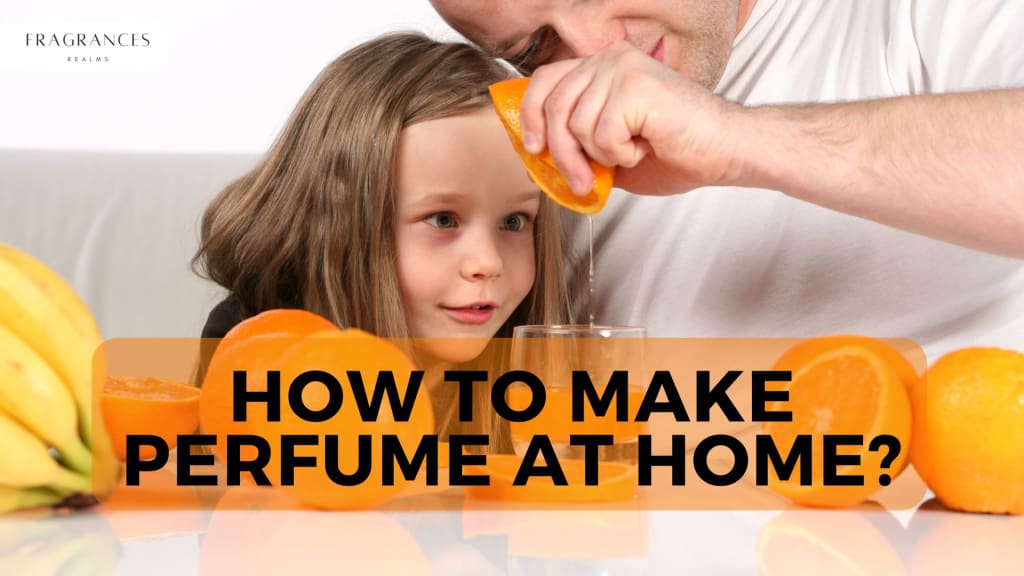
Creating your own natural perfume at home can be a rewarding and creative process. Not only do you get to customize your scent to suit your preferences, but you also have control over the ingredients, ensuring that your perfume is free from synthetic chemicals and artificial fragrances. In this blog, we'll guide you through the steps of making a natural perfume, explore the ingredients used, and offer tips on how to make homemade home fragrances as well.
What Ingredients Are Used to Make Perfume?
When it comes to natural perfume-making, the ingredients are generally divided into three categories: essential oils, carrier oils, and alcohol or water. Let's take a closer look at each of these components:
1. Essential Oils: These are the primary source of fragrance in natural perfumes. Essential oils are extracted from various parts of plants, including flowers, leaves, bark, and roots. They are highly concentrated and provide the distinctive scents for your perfume. Some popular essential oils used in perfume-making include:
- Lavender: Known for its calming and soothing properties.
- Rose: A classic floral scent that adds a touch of elegance.
- Jasmine: A sweet and intoxicating fragrance.
- Sandalwood: A warm and woody scent that adds depth.
- Citrus Oils (e.g., lemon, orange, bergamot): Fresh and invigorating notes.
2. Carrier Oils: These oils dilute the essential oils and help carry the fragrance onto the skin. They also provide moisturizing benefits. Some common carrier oils include:
- Jojoba Oil: Lightweight and closely resembles the skin's natural oils.
- Sweet Almond Oil: Nourishing and hydrating for the skin.
- Fractionated Coconut Oil: Odorless and easily absorbed.
3. Alcohol or Water: Alcohol is often used as a solvent to blend the essential oils and carrier oils, allowing the scent to disperse evenly. Vodka is a popular choice for its high purity and minimal scent. Alternatively, distilled water can be used for a lighter fragrance.
How to Make Homemade Natural Perfume
Now that we know the key ingredients, let's dive into the step-by-step process of making your own natural perfume at home.
Step 1: Gather Your Materials To get started, you'll need the following materials:
- Essential oils (choose your favorite scents)
- Carrier oil (e.g., jojoba oil)
- Alcohol (e.g., vodka) or distilled water
- Glass dropper bottles or rollerball bottles
- Small funnel (optional)
- Measuring spoons or a digital scale
- Mixing bowl or glass container
Step 2: Choose Your Fragrance Notes Perfumes are typically composed of three layers of scent: top notes, middle (or heart) notes, and base notes. Each layer unfolds over time, creating a complex and long-lasting fragrance. Here's a brief overview of each type of note:
- Top Notes: These are the initial scents you smell when you first apply the perfume. They are usually light and fresh, lasting for about 15-30 minutes. Common top notes include citrus oils (lemon, bergamot), mint, and lavender.
- Middle Notes: These scents emerge after the top notes fade and form the core of the fragrance. They last for about 2-4 hours. Popular middle notes include floral oils (rose, jasmine), spices (cinnamon, cardamom), and herbal oils (rosemary, sage).
- Base Notes: These are the foundation of the perfume, providing depth and longevity. Base notes can last for several hours or even days. Common base notes include woody oils (sandalwood, cedarwood), resinous oils (frankincense, myrrh), and vanilla.
Step 3: Blend Your Essential Oils Once you've chosen your fragrance notes, it's time to blend them. Start with the base notes, then add the middle notes, and finally the top notes. A common ratio for blending essential oils is 30% top notes, 50% middle notes, and 20% base notes. For example, if you're making a 10 ml bottle of perfume, you might use:
- 6 drops of base notes
- 15 drops of middle notes
- 9 drops of top notes
Adjust the number of drops based on your desired intensity and personal preference.
Step 4: Add the Carrier Oil and Alcohol/Water After blending your essential oils, add the carrier oil to your mixture. The amount of carrier oil will depend on the size of your bottle. For a 10 ml bottle, you might use about 8 ml of carrier oil. If you're using alcohol, add it to the mixture as well. A common ratio is 70-80% carrier oil and 20-30% alcohol.
Step 5: Mix and Let It Sit Gently stir or shake the mixture to ensure that all the ingredients are well combined. Transfer the mixture to your glass dropper bottle or rollerball bottle using a small funnel if needed. Seal the bottle tightly and let it sit in a cool, dark place for at least 48 hours. This allows the scents to meld and mature. For best results, let the perfume age for a few weeks before using it.
How to Make Homemade Home Fragrance
In addition to making natural perfume, you can also create homemade home fragrances to enhance the ambiance of your living space. Here are a few simple ideas:
- Reed Diffuser: Combine essential oils with a carrier oil (such as fractionated coconut oil) in a glass jar. Insert reed sticks into the jar, and the oil will slowly travel up the reeds, releasing a pleasant aroma into the air.
- Room Spray: Mix essential oils with distilled water and a small amount of alcohol (such as vodka) in a spray bottle. Shake well before each use and spritz around your home for an instant burst of fragrance.
- Scented Sachets: Fill small fabric sachets with dried herbs, flowers, and a few drops of essential oils. Place the sachets in closets, drawers, or under pillows to keep your linens and clothes smelling fresh.
- Candle: Create your own scented candles by melting soy wax and adding essential oils before pouring the mixture into candle molds. Use a cotton wick and let the candle cool and solidify before lighting.
Conclusion
Making your own natural perfume at home is a fun and rewarding process that allows you to create a personalized scent free from synthetic chemicals. By using high-quality essential oils, carrier oils, and alcohol or water, you can craft a unique fragrance that reflects your style and preferences. Additionally, creating homemade home fragrances is a great way to elevate the ambiance of your living space.
Whether you're making a natural perfume for yourself or as a thoughtful gift for a loved one, the possibilities are endless. Experiment with different essential oil combinations, and enjoy the process of discovering your signature scent. Happy perfume-making!
About the Creator
Patrick Jones
Hi, I'm Patrick. I love perfumes and write about them on my blog, fragrancesrealms. I share tips on finding the right perfume, reviews of different scents, and fun facts about fragrances.
Enjoyed the story? Support the Creator.
Subscribe for free to receive all their stories in your feed.
Comments
There are no comments for this story
Be the first to respond and start the conversation.