
How to Increase Collagen Production at the Age of 50: Discover the Best Fruits to Boost Collagen Naturally
Unlock Your Youthful Glow: Harnessing Nutrient-Packed Fruits and Healthy Habits to Boost Collagen Naturally After 50

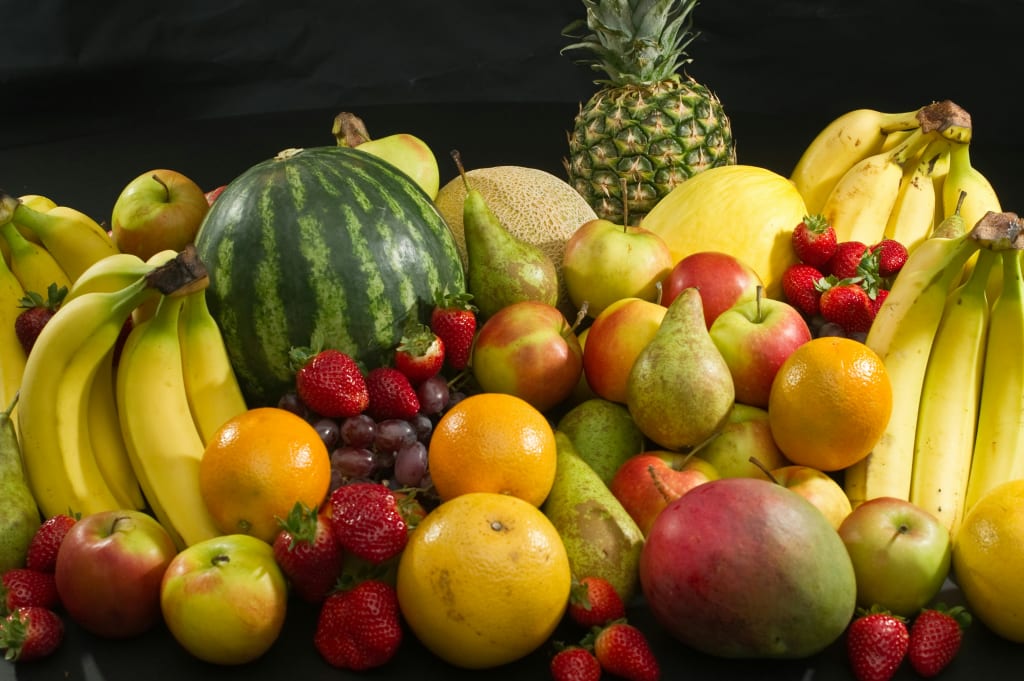
As we age, maintaining healthy collagen levels becomes increasingly vital for retaining skin elasticity, reducing wrinkles, and keeping that youthful glow. Collagen, a protein that forms the structural framework of our skin, plays an essential role in ensuring that our skin remains firm, smooth, and resilient. However, natural collagen production begins to decline around the age of 50, contributing to sagging skin, fine lines, and wrinkles. Fortunately, there are natural ways to boost collagen production—even later in life—through diet and lifestyle modifications that can support overall skin health.
Below, we’ve expanded on the key points and included additional insights on how you can naturally stimulate your body’s collagen synthesis to achieve firmer, more vibrant skin.
Why Collagen Matters
Collagen is the most abundant protein in our body, making up a significant portion of our skin, bones, muscles, and connective tissues. It functions like a scaffolding that supports the skin’s structure and provides elasticity and strength. As we age, our body’s collagen production declines at a gradual pace. This reduction is one of the main culprits behind the development of wrinkles, sagging skin, and a loss of firmness. In addition to age, external factors such as UV exposure, smoking, and a poor diet can accelerate collagen degradation. By taking proactive measures now, you can slow down the loss of collagen and help maintain a radiant, youthful complexion well into your later years.
Fruits to Increase Collagen: Nature’s Anti-Aging Boosters
Certain fruits are packed with vitamins, antioxidants, and nutrients that naturally stimulate collagen production. Incorporating these fruits into your daily diet not only provides essential nutrients for collagen synthesis but also helps protect the collagen that you already have from free radical damage.
Citrus Fruits
Oranges, lemons, and grapefruits are excellent sources of vitamin C, a crucial nutrient for collagen synthesis. Vitamin C acts as a cofactor for the enzymes responsible for stabilizing and cross-linking collagen molecules. Moreover, the antioxidant properties of vitamin C protect existing collagen fibers from oxidative stress caused by environmental pollutants and UV exposure. Regular consumption of citrus fruits can help ensure that your body has the raw materials it needs to produce new collagen while safeguarding your skin from damage.
Berries
Blueberries, strawberries, and raspberries are rich in antioxidants and additional vitamin C, making them potent allies in the fight against aging. The anti-inflammatory properties found in these fruits support the repair of collagen fibers and help reduce the skin’s inflammatory responses. When included as part of a balanced diet, berries not only contribute to collagen synthesis but also help maintain skin hydration and overall vibrancy.
Kiwi
Despite its small size, kiwi is a powerhouse of nutrients, containing high levels of vitamin C, vitamin E, and various antioxidants. These nutrients work together to boost collagen production and improve skin texture. The vitamin E in kiwi helps protect cell membranes from oxidative damage, while its high vitamin C content promotes the formation of strong collagen fibers, giving the skin a smoother, more supple appearance.
Pineapple
Pineapple is unique because it contains bromelain, an enzyme known for its anti-inflammatory properties and its ability to aid in collagen formation. Bromelain can help break down dead skin cells, encouraging the regeneration of new, healthy tissue. By promoting skin cell turnover, pineapple not only supports the synthesis of new collagen but also contributes to a more even and radiant skin tone.
Papaya and Mango
These tropical fruits are rich in vitamins A and C—both of which are essential for collagen production. Vitamin A plays a role in cell regeneration and repair, while vitamin C is directly involved in the synthesis and stabilization of collagen fibers. The combined nutrient profile of papaya and mango helps promote overall skin regeneration, improving texture and reducing the appearance of fine lines and wrinkles.
Other Natural Ways to Boost Collagen Production
In addition to eating collagen-boosting fruits, several lifestyle habits and dietary strategies can further support your body’s ability to produce collagen naturally.
Stay Hydrated
Water is fundamental to maintaining skin health. Adequate hydration keeps your skin cells plump and functioning optimally, supporting the natural collagen matrix. Drinking plenty of water throughout the day ensures that your skin remains moisturized, which is crucial for both the synthesis and preservation of collagen.
Eat a Balanced Diet
A well-rounded diet that includes lean proteins, leafy greens, and healthy fats supplies your body with the amino acids, vitamins, and minerals essential for collagen production. Lean proteins provide the building blocks—such as glycine, proline, and lysine—that are necessary for forming collagen fibers. Leafy greens and other vegetables contribute additional antioxidants and vitamins, which help protect and boost collagen synthesis.
Protect Your Skin
Using sunscreen daily is one of the simplest yet most effective ways to protect your collagen. Ultraviolet (UV) rays from the sun can accelerate collagen breakdown and lead to premature aging. By applying a broad-spectrum sunscreen with an SPF of 30 or higher, you can significantly reduce UV-induced damage and preserve the collagen present in your skin.
Manage Stress and Prioritize Sleep
Chronic stress and poor sleep quality can interfere with collagen production. Stress increases cortisol levels, which can break down collagen, while sleep is the time when your body repairs and regenerates tissues. Aim for 7–9 hours of quality sleep per night and engage in stress-reduction practices like yoga, meditation, or regular physical activity to help maintain optimal collagen levels.
Conclusion
Understanding how to increase collagen production at the age of 50 doesn’t have to be complicated. By focusing on a diet rich in fruits that naturally boost collagen—such as citrus fruits, berries, kiwi, pineapple, papaya, and mango—and by adopting additional healthy lifestyle habits, you can help preserve and stimulate collagen production. These natural strategies not only contribute to firmer, more youthful skin but also support overall skin health, helping you to age gracefully with vibrant, glowing skin.
Incorporate these tips today and start your journey toward healthier, more resilient skin. With a commitment to nourishing your body from within and protecting your skin from environmental stressors, you can maintain your natural beauty and vitality well into your later years.
About the Creator
Nurtured ByNature
Nurtured by Nature is your guide to organic wellness and natural beauty. Discover DIY skincare, superfood recipes, and eco-friendly tips that transform daily routines into celebrations of health in tune with nature.
Enjoyed the story? Support the Creator.
Subscribe for free to receive all their stories in your feed.
Comments
There are no comments for this story
Be the first to respond and start the conversation.