
How to Improve Your Mix: Tips for Mixing Tracks in FL Studio 21
Enhance Your Sound with Expert Techniques for EQ, Compression, Reverb, and More

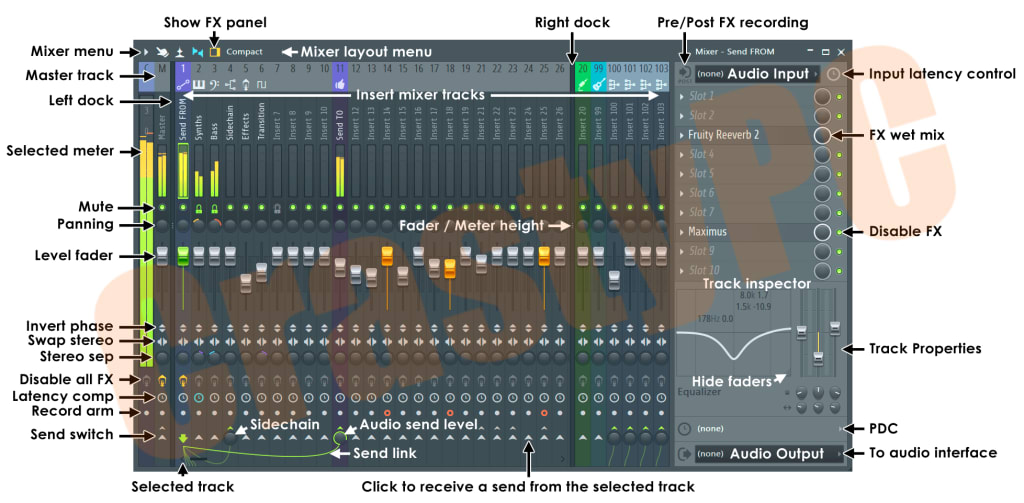
Creating a professional-sounding mix is a crucial step in music production. In FL Studio 21 Crack Download, you have access to a wide range of tools and plugins that can help you achieve a polished sound. This article will provide tips and techniques for using equalizers, compressors, reverbs, and other effects to enhance your mixes.
Equalization (EQ)
Equalization is the process of adjusting the balance of different frequency components within an audio signal. Proper EQ can make your mix sound clearer and more defined.
- Cutting Unwanted Frequencies: Start by cutting frequencies that are not necessary for certain instruments. For example, remove low frequencies from high-hats and high frequencies from bass instruments.
- Boosting Frequencies: Boost frequencies that enhance the character of the instrument. Be subtle; large boosts can cause muddiness.
- Using a Spectrum Analyzer: Use a spectrum analyzer to identify problematic frequencies and ensure a balanced mix.
Compression
Compression helps control the dynamic range of your audio, making quieter sounds louder and louder sounds quieter. This can make your mix sound more cohesive.
- Threshold and Ratio: Set the threshold so that only the peaks of your audio signal trigger the compressor. Use a moderate ratio (e.g., 4:1) to start with.
- Attack and Release: Adjust the attack time to control how quickly the compressor responds to the incoming signal. A fast attack can tame sharp transients, while a slower attack can let the transients through for a more natural sound. Set the release time so that the compressor doesn't pump or breathe unnaturally.
- Makeup Gain: Use makeup gain to restore the signal level after compression.
Reverb
Reverb adds space and depth to your mix, making it sound more natural and less dry.
- Choosing the Right Reverb: Use different types of reverb (hall, room, plate) depending on the instrument and the effect you want to achieve.
- Adjusting Parameters: Set the decay time, size, and wet/dry mix to blend the reverb with the original sound. Too much reverb can make your mix sound muddy, so use it sparingly.
- Pre-Delay: Use pre-delay to add a slight delay before the reverb kicks in, which can help maintain clarity and definition.
Panning and Stereo Imaging
Panning helps to position each element in the stereo field, creating a sense of width and separation.
- Panning Instruments: Pan instruments to create a balanced stereo image. For example, pan guitars and keyboards slightly left and right, keeping bass and vocals centered.
- Stereo Widening: Use stereo imaging tools to widen the stereo field of certain elements, making your mix sound larger. Be cautious not to overdo it, as too much widening can lead to phase issues.
Volume Balancing
Volume balancing is fundamental to a good mix. It ensures that no element overpowers another and that each element is heard clearly.
- Fader Adjustments: Start with a rough mix by adjusting the faders. Bring the most important elements (usually vocals, bass, and drums) to the forefront.
- Automation: Use volume automation to make subtle changes throughout the track, ensuring that each part is dynamically balanced.
Using Reference Tracks
A reference track is a professionally mixed and mastered song that you can use as a benchmark.
- Matching Tonal Balance: Compare your mix to the reference track to ensure that your tonal balance is similar.
- Analyzing Dynamics: Pay attention to the dynamic range and overall loudness of the reference track.
Finalizing the Mix
Once you’ve applied EQ, compression, reverb, and panning, it’s time to finalize your mix.
- Checking in Different Environments: Listen to your mix on various speakers and headphones to ensure it translates well.
- Taking Breaks: Take breaks during the mixing process to avoid ear fatigue and maintain a fresh perspective.
Improving your mix in FL Studio 21 involves a combination of technical skills and creative decisions. By properly using EQ, compression, reverb, panning, and volume balancing, you can create a mix that sounds professional and polished. Remember to use reference tracks and check your mix in different environments to ensure it stands up to commercial standards. Happy mixing!
About the Creator
Enjoyed the story? Support the Creator.
Subscribe for free to receive all their stories in your feed.
Comments
There are no comments for this story
Be the first to respond and start the conversation.