
How to Highlight Transferable Skills When Changing Industries
Making the Shift: Showcasing Your Transferable Skills for a Successful Career Change
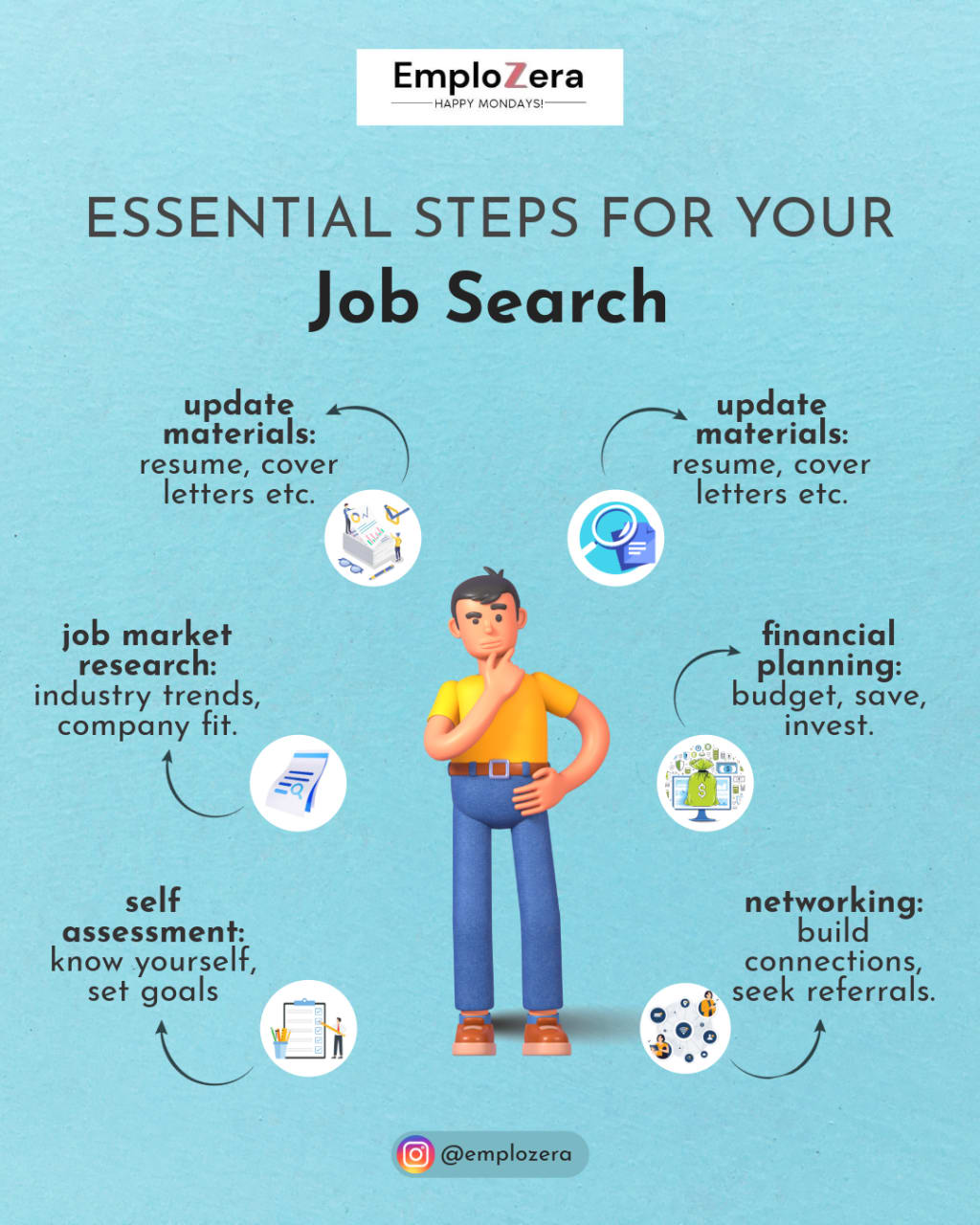
Switching industries can feel like a daunting challenge, especially when your experience doesn’t seem to align perfectly with the new field. However, many of the skills you’ve gained throughout your career are valuable across multiple industries. These transferable skills—such as leadership, communication, problem-solving, and project management—can help you make a strong case to employers, even if you’re entering an unfamiliar sector. Here’s how you can effectively highlight them on your resume and during job applications.
1. Identify Your Transferable Skills
The first step in making a successful career transition is recognizing which skills apply across industries. Many job seekers overlook how much of their expertise is adaptable. Consider skills such as:
Leadership and Team Management – Experience in guiding teams, making strategic decisions, and mentoring employees.
Communication and Collaboration – Strong verbal and written communication skills, including report writing, presentations, and team coordination.
Project Management – Handling deadlines, budgets, and processes efficiently.
Problem-Solving and Critical Thinking – Analyzing issues and implementing solutions in high-pressure situations.
Customer Service and Relationship Building – Managing client relationships, improving customer satisfaction, and networking.
Technical and Digital Proficiency – Familiarity with software, tools, and systems that may be useful in the new industry.
Using a service like Emplozera, which specializes in career transitions, can help you assess your skill set and align it with your new industry.
2. Research Industry Expectations
Before tailoring your resume, research the expectations of your target industry. Job descriptions, LinkedIn profiles of professionals in your desired field, and industry reports can offer valuable insights.
For example, if you’re moving from marketing to human resources, skills like strategic planning, communication, and data analysis could be highly relevant. If you’re transitioning from teaching to corporate training, instructional design and presentation skills will be your biggest assets.
3. Rewrite Your Resume with a Skills-Focused Approach
When shifting industries, your resume should emphasize skills over job titles. Follow these steps:
Start with a strong summary – Instead of focusing on past industries, highlight your transferable skills and what you bring to the table.
Use a functional or hybrid resume format – These formats prioritize skills and accomplishments over chronological work history.
List accomplishments with relevant impact – Use metrics and examples to demonstrate your effectiveness. For instance, “Led a team of 10 to improve customer satisfaction scores by 25%.”
Incorporate industry keywords – Identify keywords from job postings in your new field and integrate them into your resume naturally.
At Emplozera, our expert resume writers specialize in crafting resumes tailored for career changers, ensuring that your skills and experience align with industry expectations.
4. Showcase Your Transferable Skills in Your Cover Letter
Your cover letter is your chance to explain why you’re making a career change and how your skills translate to the new field. Focus on:
Why you’re passionate about this new industry.
How your past experiences have prepared you for this role.
Specific examples that illustrate your transferable skills in action.
For example, if you worked in sales and are transitioning to project management, you might write: “My ability to negotiate contracts and manage client relationships in my sales role has provided me with the skills necessary to oversee project timelines, coordinate with stakeholders, and ensure seamless execution of deliverables.”
5. Highlight Skills Through Additional Training and Certifications
If your new industry requires specialized knowledge, obtaining certifications or additional training can give you credibility. Consider taking online courses, attending workshops, or earning industry-recognized certifications. Not only does this show your commitment, but it also gives you the language and tools necessary to succeed.
Popular platforms like Coursera, Udemy, and LinkedIn Learning offer flexible courses tailored to career changers. Emplozera also provides career coaching and skill-building resources to ease your transition.
6. Leverage Your Network and Industry Connections
Networking is a powerful tool when switching industries. Attend industry events, join LinkedIn groups, and reach out to professionals in your desired field for informational interviews. Having industry contacts can give you insider knowledge and potential job referrals.
You can also leverage LinkedIn to showcase your transferable skills. Write articles, share insights about your transition, and engage with industry leaders to establish credibility in your new field.
7. Be Ready to Address Your Career Change in Interviews
During interviews, hiring managers will likely ask about your industry switch. Prepare responses that:
Focus on how your skills align with the new role.
Highlight success stories from your past experiences that are relevant.
Show enthusiasm and commitment to learning in your new industry.
For example, if you’re moving from finance to healthcare management, you might say: “My background in financial analysis has equipped me with strong data-driven decision-making skills, which are essential in optimizing hospital operations and budgeting efficiently.”
8. Gain Experience Through Freelancing or Volunteering
If you need practical experience in your new field, consider freelancing, volunteering, or taking on side projects. These opportunities provide hands-on exposure and help build credibility in your new industry.
For instance, if you’re moving into digital marketing, you could offer to manage social media accounts for a non-profit. If you’re transitioning to HR, consider volunteering with a recruitment initiative.
Conclusion
Switching industries doesn’t mean starting from scratch. By identifying and effectively communicating your transferable skills, you can position yourself as a valuable candidate in your new field. Whether through a well-crafted resume, networking, additional training, or interview preparation, your skills can make a strong impact.
For expert guidance, Emplozera offers career coaching, resume writing, and industry-specific advice to help professionals make seamless transitions. With the right approach, your career change can lead to exciting new opportunities and long-term success.
About the Creator
Rahul
Professional Resume writer and career coach at Resume Folks
Enjoyed the story? Support the Creator.
Subscribe for free to receive all their stories in your feed.
Comments