
How to Engrave Plastic Name Tags?
Imagine walking into a bustling event where every attendee proudly wears a name tag that not only identifies them but also tells a story through its intricate designs. How can you transform ordinary plastic into a canvas of creativity and professionalism?
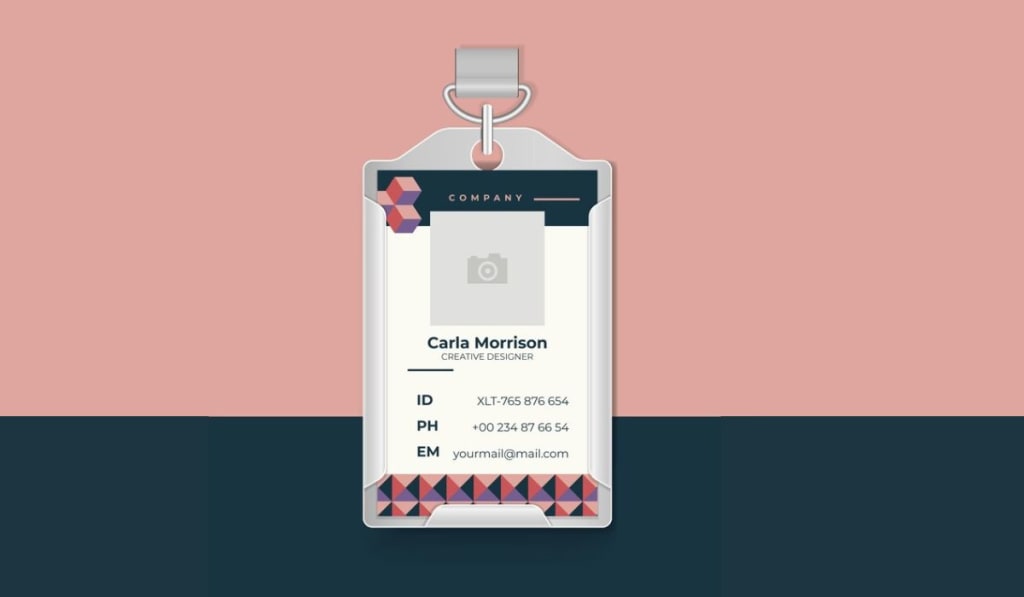
Engraved plastic name tags are one of the most crucial tools in many industries, bringing together professionalism, durability, and customization. From corporate offices to healthcare facilities, educational institutions, and hospitality, name tags play a significant role in identification and branding. Among the numerous options available, magnetic name badges are very popular for their convenience and functionality.
This article will guide you through engraving on plastic name tags and apply some techniques, materials, and applications for creating high-quality, personalized products.
Understanding Engraving Techniques
Engraving plastic name tags involves several methods, each suited to different needs and levels of expertise. Here’s a breakdown of the most common techniques:
Mechanical Engraving
Mechanical engraving involves using rotating or laser engraving machinery to inscribe designs directly into the plastic.
Rotary Engraving Machines: These machines employ a spinning bit to carve a design into the material. They’re ideal for simple designs and durable finishes.
Laser Engraving Machines: Lasers create precise, intricate designs and are perfect for more complex or delicate patterns.
Advantages:
Long-lasting results
Suitable for high-volume production
Limitations:
Requires specialized equipment
It may be more time-consuming than other methods
Chemical Engraving
Chemical engraving uses acids or alkalis to etch designs into the plastic. It’s particularly effective for delicate materials and intricate designs.
Advantages:
Ideal for creating fine details
Works well on a variety of plastics
Limitations:
Requires careful handling of chemicals
It can be slower compared to mechanical engraving
Digital Printing
For full-color designs and complex patterns, digital printing methods like inkjet or thermal printing are a great choice.
Advantages:
Allows for vibrant, multi-colored designs
Faster production process
Limitations:
Less durable compared to mechanical or chemical engraving
Requires additional protective coatings to prevent wear
Materials and Tools for Engraving
Choosing the right materials and tools is essential for achieving the desired outcome.
Plastic Name Tags
Different plastics can be used for engraving, including:
PVC: Durable and widely available.
Acrylic: Offers a glossy finish and is easy to engrave.
PET: Lightweight and eco-friendly.
Materials are chosen based on the name tag’s intended use, durability, and aesthetic appeal.
Engraving Equipment
Rotary Engraving Machines: Best for traditional engraving methods.
Laser Engraving Machines: Ideal for precision and speed.
Etching Solutions: Necessary for chemical engraving.
Digital Printing Devices: Great for creating colorful, intricate designs.
Engraving Tools and Accessories
Engraving bits and cutters
Masking tape or stencils for precise designs
Cleaning solutions to polish the finished product
Step-by-Step Guide to Engraving Plastic Name Tags
Here’s a detailed guide for engraving plastic name tags using different methods:
Preparation
Designing the Engraving: Use design software to create a layout.
Transferring the Design: Apply the design to the plastic name tag using stencils, tapes, or digital transfer methods.
Mechanical Engraving
Set Up the Machine: Install the appropriate bit or cutter and adjust the settings.
Adjust Depth and Speed: Ensure the engraving depth suits the material’s thickness.
Engrave the Design: Carefully guide the machine in creating the design.
Chemical Engraving
Prepare the Solution: Mix the etching solution according to the material’s requirements.
Apply the Solution: Use masking tape to isolate the design area, then apply the solution.
Rinse and Dry: Wash the name tag thoroughly and allow it to dry.
Digital Printing
Create the Print File: Upload your design to a digital printing device.
Print the Design: Use high-quality ink or thermal ribbons for vibrant results.
Apply Protective Coating: Seal the design for added durability.
Tips and Tricks for Professional Engraving
Font Selection: Choose readable fonts and appropriate sizes. Avoid overly intricate fonts that may blur or distort during engraving.
Design Layout: Ensure the layout is balanced and has sufficient white space for readability.
Color Combinations: Select contrasting colors for the text and background to improve visibility.
Finishing Touches: Polish the engraved surface and apply a protective coating for longevity.
Common Applications of Engraved Plastic Name Tags
Corporate and Business Settings
Employee identification badges
Visitor passes for added security
Personalized conference name tags
Healthcare Facilities
Staff badges for easy identification
Patient name tags to ensure personalized care
Laboratory tags for equipment and samples
Educational Institutions
Student ID cards
Teacher name tags for classrooms
Visitor badges for school events
Events and Conferences
Attendee name tags for networking
Speaker badges with event branding
Volunteer badges for clear identification
Retail and Hospitality
Employee name tags for customer interaction
Magnetic name badges that protect clothing while being easy to attach
Security badges for restricted areas
Special Considerations for Magnetic Name Badges
Magnetic name badges are a practical choice for many professionals due to their ease of use and stylish appearance. Here’s how to ensure your engraved magnetic badges are top-notch:
Engraving Techniques
Use laser or rotary engraving for precision without affecting the badge’s magnetic properties.
Design and Layout
Consider the size and weight of the magnetic badge to ensure it adheres properly to clothing.
Opt for sleek, minimalistic designs that reflect professionalism.
Finishing Touches
Apply a protective coating to prevent wear and tear.
Regularly check the magnetic strength to ensure reliable performance.
Conclusion
Mechanical, chemical etching or even digital printing processes can engrave plastic name tags with such versatility so as never to be bound for limitless customization- whether badges are designed for a corporation or a healthcare facility or name badges for any planned event.
High-quality plastic name tags, including magnetic badges, contribute to professionalism and durability and give a beautiful, elegant appearance. You can experiment with designs, fonts, and materials to create name tags that stand out yet meet your specific functional needs.
For creating a long-lasting impression, Customized Name Badges can be unparalleled in terms of flexibility and sophistication. Designed to fit your particular needs, they add that professional touch whether for corporate events, retail environments, or educational settings.
Their options for customization—from engraved logos to bright full-color prints—guarantee your branding is highlighted. Ready to make your team look sharp? Order now for top-of-the-line badges created to represent your organization’s identity.
Looking for a tailored solution that aligns perfectly with your requirements? Request a quote today and discover how we can bring your vision for personalized plastic name tags to life.
Originally published in SuperCheap Name Badges.
About the Creator
Enjoyed the story? Support the Creator.
Subscribe for free to receive all their stories in your feed.
Comments
There are no comments for this story
Be the first to respond and start the conversation.