
How to Drive High ROI and Traffic to Your Website
Drive High ROI and Traffic to Your Website

Introduction
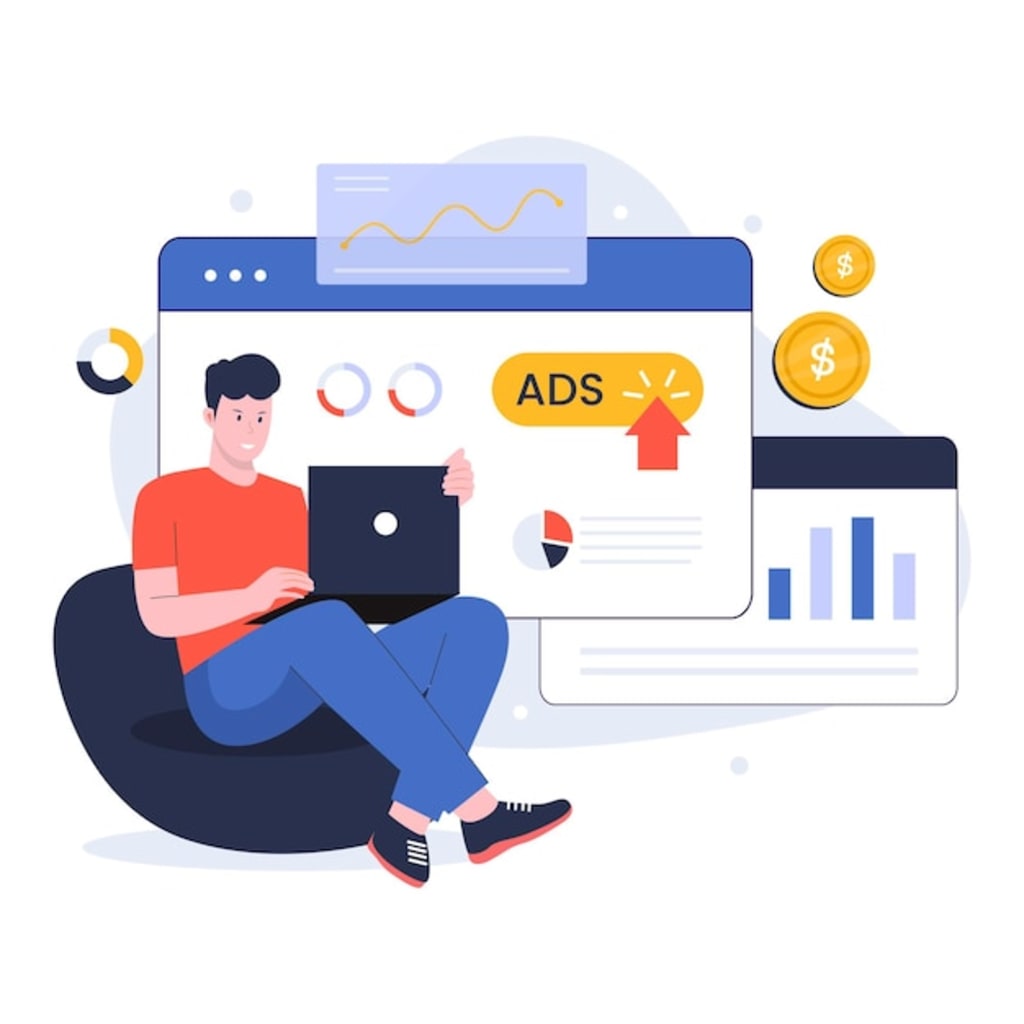
Driving high ROI (Return on Investment) and traffic to your website is essential for the success of any online business. High ROI means that your marketing efforts are paying off, while increased traffic brings more potential customers to your site. In this article, we'll explore various strategies to help you achieve both.
Understanding Your Audience
Market Research
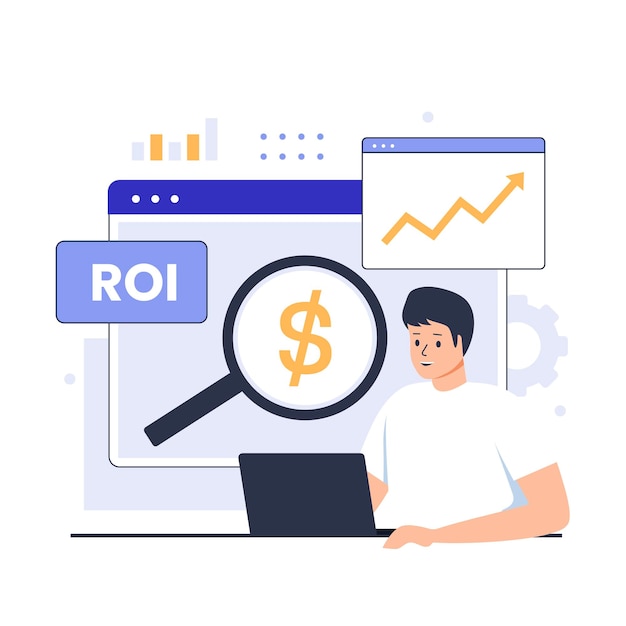
Before you can drive traffic and achieve high ROI, you need to understand who your audience is. Conduct thorough market research to identify your target demographic. Look at factors like age, gender, location, and interests. This information will help you tailor your marketing efforts to attract the right people.
Creating Buyer Personas
Once you have your market research data, create detailed buyer personas. These are fictional representations of your ideal customers. Include information about their demographics, behaviors, and pain points. Buyer personas help you personalize your marketing messages and ensure they resonate with your audience.
SEO Optimization
On-Page SEO
Keyword Research
Keywords are the foundation of SEO. Use tools like Google Keyword Planner, Ahrefs, or SEMrush to find relevant keywords for your industry. Focus on long-tail keywords, as they tend to have lower competition and higher conversion rates.
Meta Tags and Descriptions
Optimize your meta tags and descriptions to include your target keywords. This helps search engines understand what your page is about and improves your chances of ranking higher in search results.
Off-Page SEO
Backlinks
Backlinks are links from other websites to your site. They are a crucial factor in SEO ranking. Reach out to industry influencers and bloggers to get high-quality backlinks. Guest posting on reputable sites is another effective strategy.
Social Signals
Social signals, such as likes, shares, and comments, can also impact your SEO. Encourage your audience to share your content on social media platforms to increase your visibility and drive more traffic to your site.
Content Marketing
Importance of High-Quality Content
Content is king when it comes to driving traffic and ROI. Create valuable, informative, and engaging content that addresses your audience's needs and interests.
Blogging
Regularly update your blog with fresh content. Blogging not only helps with SEO but also establishes you as an authority in your industry. Write about topics that are relevant to your audience and include your target keywords naturally.
Video Content
Video content is becoming increasingly popular. Create videos that showcase your products, provide tutorials, or share industry insights. Share your videos on platforms like YouTube, Vimeo, and social media to reach a wider audience.
Infographics
Infographics are a great way to present complex information in an easy-to-understand format. They are highly shareable and can drive significant traffic to your site. Use tools like Canva or Piktochart to create visually appealing infographics.
Social Media Marketing
Choosing the Right Platforms
Not all social media platforms are created equal. Choose the platforms that your target audience uses the most. For example, if you're targeting young adults, Instagram and TikTok might be the best options, while LinkedIn is ideal for B2B marketing.
Engaging with Your Audience
Engagement is key to building a loyal following on social media. Respond to comments, ask questions, and create interactive content like polls and quizzes to encourage participation.
Paid Advertising on Social Media
Paid advertising on social media platforms can help you reach a larger audience quickly. Use tools like Facebook Ads Manager or LinkedIn Campaign Manager to create targeted ads that drive traffic to your site and increase ROI.
Email Marketing
Building an Email List
An email list is a valuable asset for any online business. Offer incentives like discounts or free resources to encourage visitors to subscribe to your newsletter.
Crafting Effective Email Campaigns
Create email campaigns that provide value to your subscribers. This could include tips, industry news, or exclusive offers. Make sure your emails are well-designed and include a clear call to action.
Personalization and Segmentation
Personalize your emails to make them more relevant to your subscribers. Use segmentation to send targeted messages to different groups within your email list based on their interests or behaviors.
Pay-Per-Click (PPC) Advertising
Understanding PPC
PPC advertising allows you to pay for clicks to your website. It's an effective way to drive traffic quickly, but it requires careful planning to ensure a good ROI.
Choosing the Right Keywords
Just like with SEO, keyword research is crucial for PPC advertising. Choose keywords that are relevant to your business and have a good balance of search volume and competition.
Creating Effective Ad Copy
Your ad copy should be compelling and include a clear call to action. Highlight the benefits of your product or service and use persuasive language to encourage clicks.
Website Optimization
Improving Site Speed
Site speed is a critical factor in both SEO and user experience. Use tools like Google PageSpeed Insights to identify areas for improvement and optimize your site's loading times.
Mobile Optimization
With more people accessing the internet via mobile devices, it's essential to have a mobile-friendly website. Ensure your site is responsive and provides a seamless experience on all devices.
User Experience (UX) Design
A well-designed website keeps visitors engaged and encourages them to take action. Focus on creating a clean, intuitive layout with easy navigation and clear calls to action.
Analytics and Tracking
Setting Up Google Analytics
Google Analytics is a powerful tool for tracking your website's performance. Set it up to monitor key metrics like traffic, bounce rate, and conversions.
Tracking Key Metrics
Identify the metrics that matter most to your business. This could include traffic sources, user behavior, or conversion rates. Regularly review these metrics to see how your site is performing.
Analyzing Data for Improvement
Use the data you collect to make informed decisions about your marketing strategy. Identify what's working and what isn't, and adjust your efforts accordingly to improve ROI and traffic.
Influencer Marketing
Finding the Right Influencers
Influencer marketing can help you reach a wider audience. Find influencers who align with your brand values and have a following that matches your target audience.
Collaborating Effectively
Work closely with influencers to create content that resonates with their audience. Provide them with clear guidelines and encourage them to share their honest opinions about your products or services.
Measuring Influencer Impact
Track the performance of your influencer campaigns to see how they impact your traffic and ROI. Use unique discount codes or tracking links to measure conversions.
Utilizing Webinars and Online Events
Planning Webinars
Webinars are an excellent way to engage with your audience and provide value. Plan your webinars carefully, choosing topics that are relevant and interesting to your audience.
Promoting Events
Promote your webinars through your website, social media, and email marketing. Encourage sign-ups by highlighting the benefits of attending.
Engaging Attendees
Keep your audience engaged during the webinar by using interactive elements like polls and Q&A sessions. Follow up with attendees afterward to continue the conversation.
Affiliate Marketing
Setting Up an Affiliate Program
Affiliate marketing allows you to leverage other people's networks to drive traffic to your site. Set up an affiliate program and offer attractive commissions to your partners.
Choosing the Right Partners
Choose affiliates who have an audience that matches your target demographic. Provide them with the tools and resources they need to promote your products effectively.
Tracking Affiliate Performance
Use tracking software to monitor your affiliates' performance. Identify which partners are driving the most traffic and sales, and optimize your program accordingly.
Local SEO and Listings
Optimizing for Local Search
If you have a local business, optimizing for local search is crucial. Ensure your business is listed in local directories and that your NAP (Name, Address, Phone number) information is consistent across all platforms.
Managing Online Reviews
Online reviews can significantly impact your reputation and SEO. Encourage satisfied customers to leave positive reviews and respond promptly to any negative feedback.
Utilizing Google My Business
Google My Business is a powerful tool for local SEO. Claim and optimize your listing to improve your visibility in local search results.
Utilizing Remarketing Strategies
Understanding Remarketing
Remarketing allows you to target users who have previously visited your site. This can be an effective way to bring back potential customers who didn't convert on their first visit.
Setting Up Remarketing Campaigns
Use tools like Google Ads and Facebook Ads to set up remarketing campaigns. Create targeted ads that remind users of the benefits of your products or services.
Measuring Success
Track the performance of your remarketing campaigns to see how they impact your traffic and conversions. Use this data to refine your strategy and improve your results.
Conclusion
Driving high ROI and traffic to your website requires a multifaceted approach. By understanding your audience, optimizing your SEO, creating high-quality content, and leveraging various marketing channels, you can achieve your goals. Regularly track your performance and adjust your strategies to ensure continuous improvement.
FAQs
How long does it take to see results from SEO? SEO is a long-term strategy. It can take several months to see significant results, but the efforts are worth it as it builds sustainable traffic over time.
What is the best social media platform for marketing? The best platform depends on your target audience. For B2B marketing, LinkedIn is effective, while Instagram and TikTok are great for targeting younger demographics.
How can I improve my email open rates? Personalize your emails, write compelling subject lines, and ensure your content is valuable to your subscribers. Testing different strategies can also help you find what works best.
Is PPC advertising worth the investment? PPC can be highly effective if done correctly. It offers immediate results and allows for precise targeting. However, it requires careful management to ensure a positive ROI.
How do I choose the right keywords for my content? Use keyword research tools to find relevant keywords with a good balance of search volume and competition. Focus on long-tail keywords that are more specific and likely to convert.
About the Creator
digitalmarketingagencysydney
Best Digital Marketing Agency in Sydney. Elevate your online presence with expert strategies and experience transformation with our digital marketing expertise.
Enjoyed the story? Support the Creator.
Subscribe for free to receive all their stories in your feed.
Comments
There are no comments for this story
Be the first to respond and start the conversation.