
How to Demolish a Building?
How to Demolish a Building? Comprehensive Guide

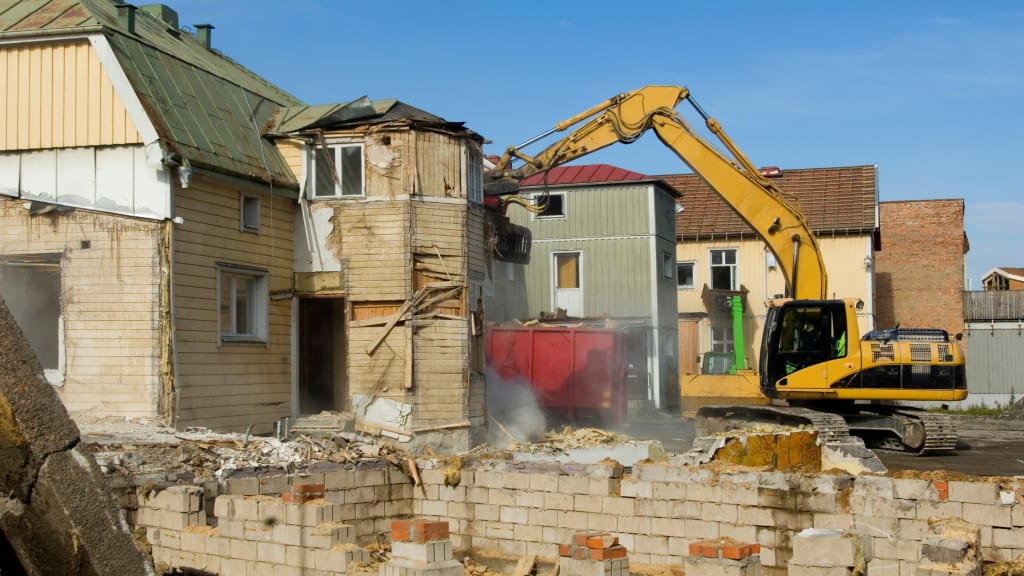
Taking down structures, as the process of demolition for new construction or for reconstructing existing structures is reserved, is a well-coordinated job. It is technical work; which involves strategy and envisioning, having rules and measures to abide by. This process also involves coordination, decision-making, and conducting the removal of barriers wisely and voluntarily to embody proper disposal.
This article zooms in on all the sections that are relevant to building demolition today to help one understand getting the job done more efficiently while observing safety and being environmentally friendly.
Preliminary Assessment
No demolition can take place at all without a comprehensive and exhaustive analysis and review of the structure and the context it occupies. Key steps include conducting a detailed demolition takeoff to assess the materials, scope, and resources needed for the project.
Structural Analysis
Hire professional structural engineers to check for any other external problems, like problems with the integrity of the building structure. Identifying load-bearing walls and any hidden dangers like acoustic products containing asbestos or lead base paint that might pose a danger to the occupants or any part of the building that seems to be structurally weak. This also comprises a clear view of such potential scopes, which may need pre-stabilization.
Site and Environmental Survey
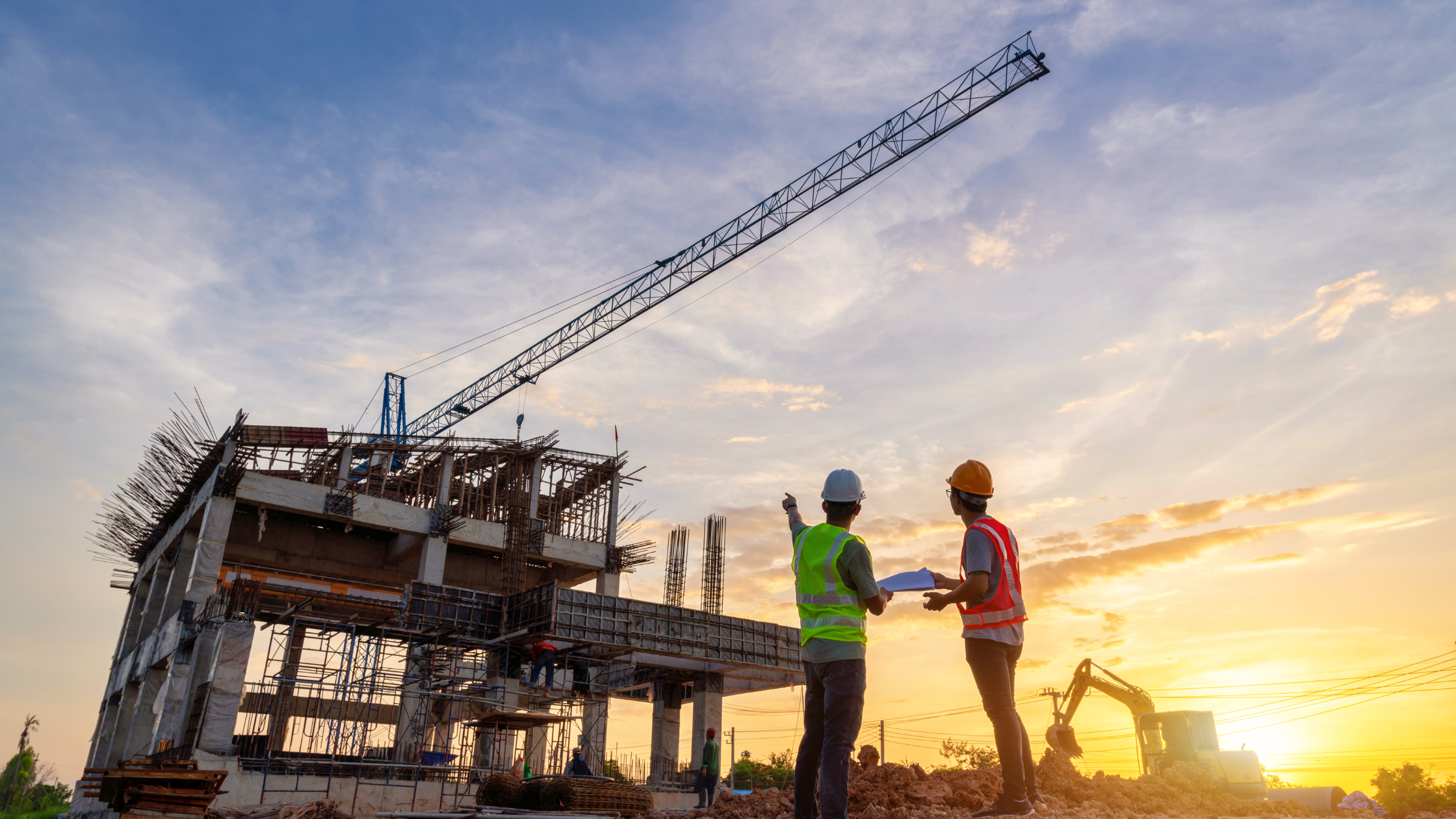
A feasibility study needs to be carried out on the site to establish the existing topography and other structures around the site, utilities that are underground and even the wildlife. This is especially true, for one has to be very careful not to bring down buildings and houses that are close to the site.
Permits and Legal Compliance
Obtaining the permits is one of the paramount steps throughout the implementation process. Every project must also take into consideration the zoning laws of the nearby municipalities as well as acts on the environment. Noncompliance can result in serious penalties or an expensive waste of time.
Utility Disconnection
Consult with utility companies in planning for the lifting of service provisions such as water, gas, and electric power, as well as communication cables, ahead of the demolition exercise.
Safety Considerations
In as much as there may be so much power and force to bring down the built environment, safety comes first when it comes to demolition. Compliance with the safety measures minimises the risk that may harm the employees, the public, and the environment.
Comprehensive Training Programs: Make sure all personnel in demolition construction are trained often on the advanced methods, handling of tools, and calamity control.
Personal Protective Equipment (PPE): Provide every worker with helmets, safety harnesses, guards, gloves, goggles, masks, respirators, and any other personal protective equipment appropriate for the risks inherent in demolition operations.
Public Safety: Establish robust barriers and warning signage and prohibit personnel from entering the entry zone. Inform people living and working near the site of demolition activities that are scheduled.
Live Monitoring Systems: Record activities using cameras and arrange for on site supervision so that activities can be continuously monitored so any unsafe situation can be dealt with immediately.
Diverse Demolition Methods
The demolition techniques are different for each building. Here are the most commonly utilised methods and the innovations emerging in the industry:
1. Mechanical Demolition
Mechanical demolition uses huge machinery such as excavators, wrecking balls, bulldozers, and loaders, by far the most prevalent method. In the case of higher structures, many of which are very tall, high-reach excavators are used for their quick and safe employment to bring them down.
2. Controlled Explosive Demolition
The use of explosives to collapse structures rapidly and in a controlled way constitutes this strategic procedure. It is ideal for urban or high-density areas because massive mathematical modelling and simulations are necessary to avoid collateral damage.
3. Deconstruction and Salvaging
Another green method, known as selective demolition, incorporates taking apart some parts of the building by hand to reclaim useful materials, such as lumber, bricks, or metal. Though labor-intensive, it greatly reduces waste levels.
4. Robotic Demolition
Remote technologies are employed most often, particularly for special or difficult-to-access zones. These machines are fitted with technologies to enable cutting, crushing or drilling with high levels of precision and, at the same time, protect the workers immensely.
5. Hydraulic Bursting and Cutting
The hydraulic machines employ pressure as the drive to fragmented reinforced concrete and dense materials. Consequently, the cutting process emits less noise and vibrations, which is advantageous in noise-sensitive areas.
6. Selective Demolition
Used in situations where only particular elements are to be taken down in a building and where the rest of the structure is to remain standing, the method is mostly used for reconstructions or partial demolitions.
7. Top-Down Method
This involves stripping a building right from the top floor to the ground floor. This method is normally used in crowded business districts where there is insecurity.
Proper Waste Management
Waste management is no longer only a legal issue but also an exercise in the protection of the environment. Demolition generates considerable debris, and managing this waste is critical.
- Thorough Waste Sorting: The most environmentally friendly demolitions are those that involve recovering metals and other materials, salvaging concrete, steel, and copper from the rubble, and sorting the non-reusable parts from the pile.
- Reusing Scrap Materials: Making an arrangement with a lumber recycling factory to cut down waste and thus lessen the cost of the project, a whole win-win situation which includes getting rid of materials such as bricks, solid beams, and wood planks.
- Revolutionary Management of Lethal Hazards: A few examples of the most injurious elements in the built environment would be the participation in a workgroup that specialises in the removal of them through mechanisms approved by the authorities and reducing the environment's toxicity.
- Dust Management: Install machines that use water sprays to help feed down dust particles, dust suppressants, and containment barriers in order to lower the dust particles in the air and, thus, provide a safer workspace for the construction workers and the people around the construction site.
- Carbon Reduction: Introducing machines that consume less fuel, the use of electric tools when necessary, as well as the use of the services of local waste management companies are ways to cut down emissions).
Collaboration with Stakeholders
Successful demolitions frequently benefit from the cooperation of agents from many departments, designers, contractors, and the local community; for this reason, the following:
Meetings Before the Demolition: Conduct sessions with the stakeholders for setting the project objectives, expectations, and timelines, and handling any questions from the concerned groups.
Sustainable Redevelopment Designs: Establish links with urban planners and architects in the post-demolition redevelopment, each with the purpose of enhancing sustainability.
Transparency Practices: These keep trust and goodwill with everybody involved by offering fresh updates, involvement programs, and video documentation.
Final Words
The current process of demolition of buildings is not a simple process at all. It requires the spirit of anticipation, strict compliance with the best practices, and a sustainability perspective. When safety, planning, and waste management practices are properly applied, the special goals of a project can be achieved, as well as the cause of environmental stewardship. An analytical analysis of the profiles of leading competitors shows that dynamism in today's demolition industry is epitomised with innovative technologies such as robotics, hydraulic systems, collaborative planning, and recycling technologies.
About the Creator
Demolition Estimating
Certified demolition estimating services across the USA to help contractors win more bids. Call us now at +1 (209) 655-2804 to get started!
Enjoyed the story? Support the Creator.
Subscribe for free to receive all their stories in your feed.
Comments