
How to Build a Simple House: Step-by-Step Guide
A step-by-step approach ensures you cover everything from planning to the final structure.
Building a house from scratch is an exciting and rewarding process, but it requires careful planning and execution. This step-by-step guide will help you navigate the journey from choosing a site to adding the finishing touches to your new home. Follow these steps to create a strong, functional, and aesthetically pleasing house.
Step 1: Choose a Location and Plan Your Design
The first step is to select a suitable site for your house. Look for a location with good soil quality, accessibility to roads, and connections to utilities like electricity and water. The soil's condition is crucial as it determines the foundation's stability.
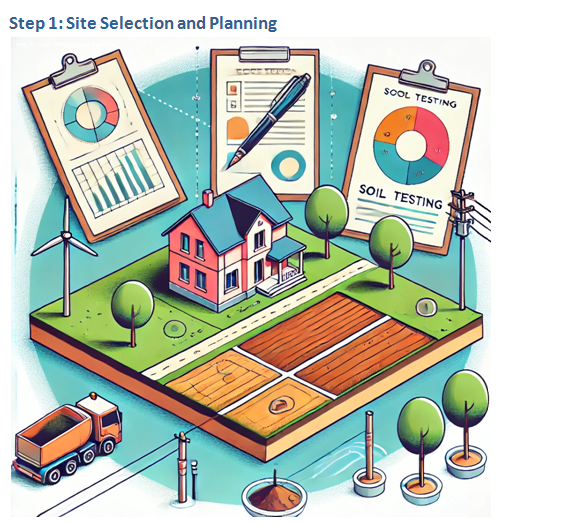
Once you’ve found the perfect site, hire an architect or use pre-designed house plans to suit your needs and budget. A well-thought-out plan ensures the house will be both functional and visually appealing. Don’t forget to obtain the necessary permits to comply with local regulations. Skipping this step can result in legal issues down the line.
Step 2: Clear and Prepare the Site
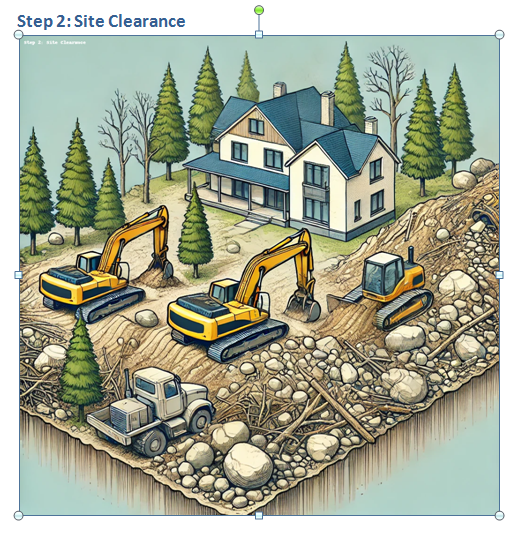
Before construction begins, clear the site of any unwanted structures, vegetation, or debris. This step includes removing rocks, trees, or other obstacles that could interfere with the construction process. Once cleared, level the ground to create a stable surface for building. A clean and even site is essential for a strong foundation.
Step 3: Lay the Foundation
The foundation is the backbone of your house, so it’s important to do this step correctly.
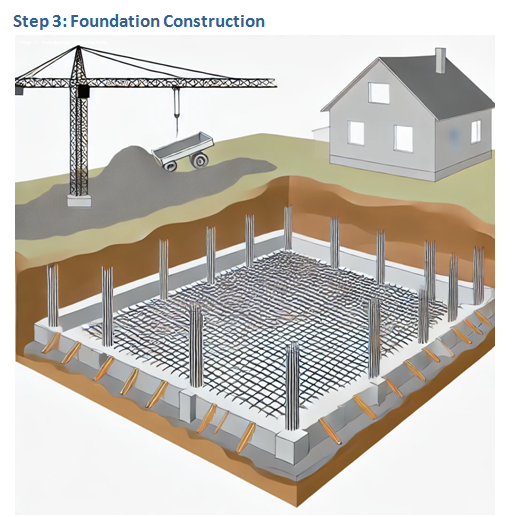
Excavation: Mark the foundation area and dig to the required depth, which depends on the design and the size of the house. Larger buildings or multi-story homes require deeper foundations.
Footings: Lay concrete footings to distribute the house's weight evenly and prevent future structural issues like cracks or uneven settling.
PCC (Plain Cement Concrete): Pour a plain cement concrete layer to provide a stable base. This layer acts as a buffer and protects the foundation from moisture.
A strong foundation ensures the longevity and safety of the house, so take your time to get it right.
Step 4: Build the Reinforced Concrete Foundation
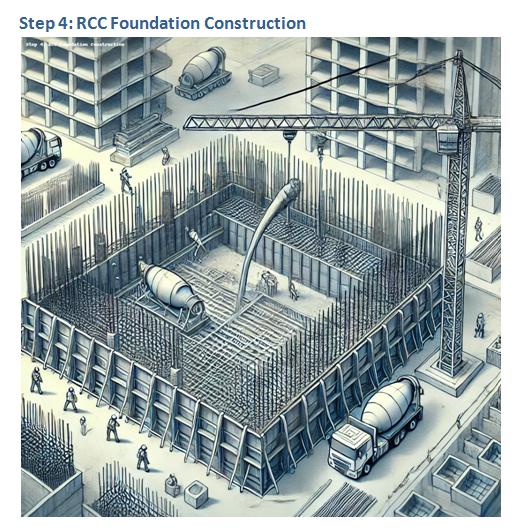
To further strengthen the foundation, use reinforced concrete, which combines steel bars and concrete for durability. Place the steel rods within the formwork and pour the concrete mixture over them. Ensure the concrete is compacted to eliminate air pockets that could weaken the structure. Allow the foundation to cure properly; this process typically takes about 28 days.
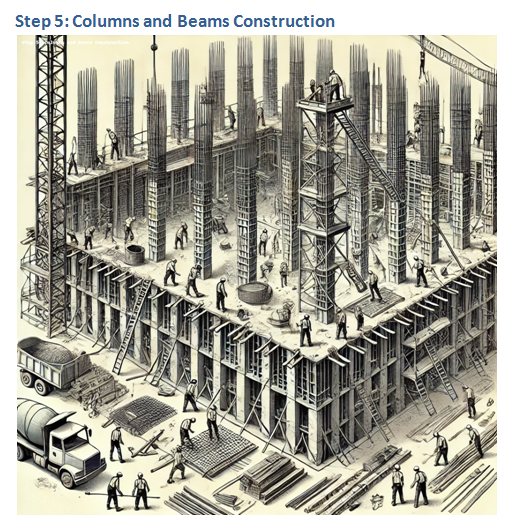
Step 5: Construct Columns and Beams
With the foundation set, it’s time to build vertical columns. These columns are essential for supporting the weight of the structure. Use formwork to pour concrete beams, which will carry the roof and any additional floors. Properly tied reinforcement bars and cured beams ensure the structure is strong and stable.
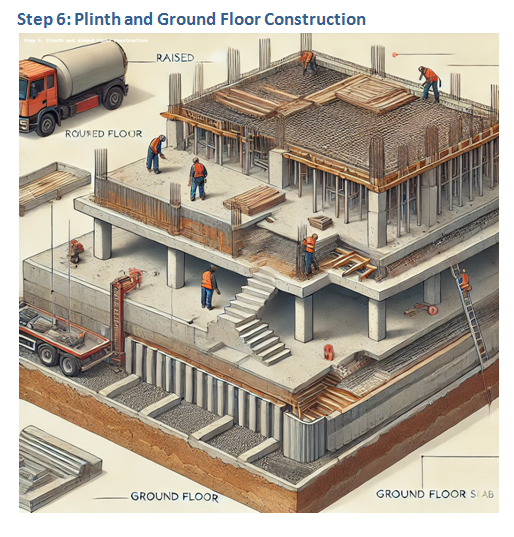
Step 6: Build the Plinth and Ground Floor
The plinth, which is the part of the foundation above ground, acts as the base for the rest of the house. It raises the house above ground level, protecting it from moisture and potential flooding. After constructing the plinth, proceed with the ground floor by laying the floor slab, setting up drainage, and building the floor base. Finally, install flooring materials like tiles, wood, or stone based on your preferences and budget.
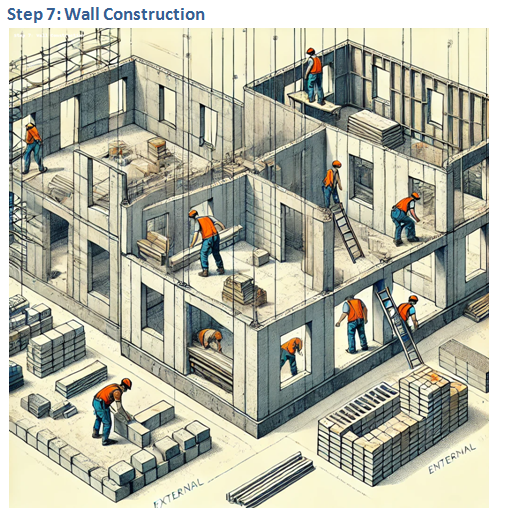
Step 7: Erect the Walls
Walls form the core structure of your house. Build external and internal walls using bricks, concrete blocks, or other suitable materials. Ensure that spaces for doors and windows are accurately measured and aligned. Walls should be straight and sturdy to provide a strong frame for the house and prevent gaps or leaks around openings.
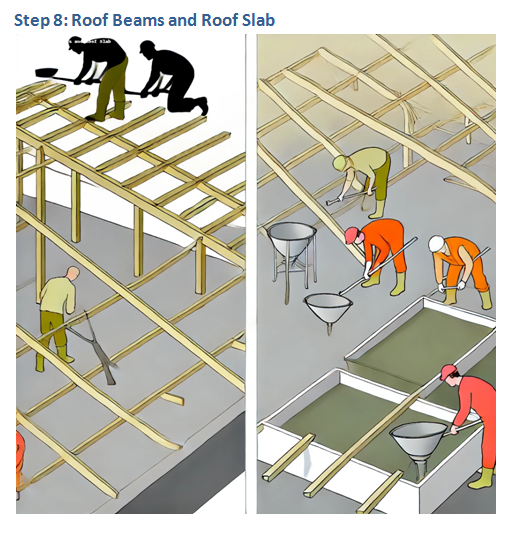
Step 8: Install Roof Beams and Roof Slab
The next step is constructing the roof. Start by installing roof beams to support the structure, and then pour the roof slab using reinforced concrete. Whether you choose a flat or sloped roof depends on your design preferences. Allow the slab to cure thoroughly, as this is critical for its strength and durability.
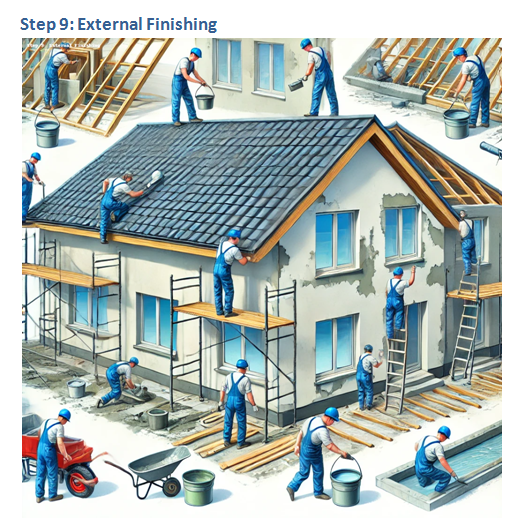
Step 9: Complete External Finishes
Plastering: Apply plaster to the exterior walls to protect them from weather damage and create a smooth surface for painting.
Painting: Use high-quality, weatherproof paint to ensure the house remains visually appealing and well-protected for years.
Roof Sealing: Use waterproof materials to seal the roof and prevent leaks, especially in areas prone to heavy rain.
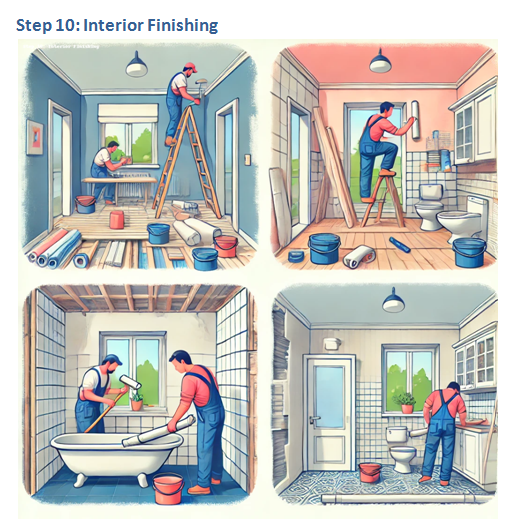
Step 10: Work on Interior Finishing
The interior finishing phase is where your house starts to feel like a home. Apply plaster to smooth the walls, followed by paint to give them a clean and polished look. Lay tiles in kitchens, bathrooms, and other areas prone to high traffic for durability and easy maintenance. Install doors, windows, and basic fixtures like electrical wiring and plumbing systems. Ensure that everything is functional and properly aligned.
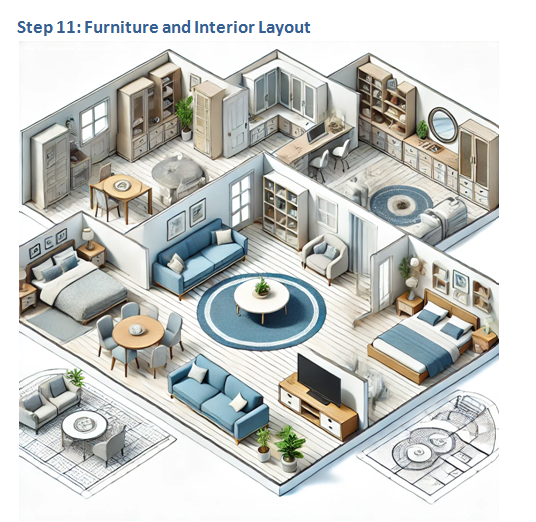
Step 11: Arrange Furniture and Decorate
Once the structure is complete, start placing furniture in each room to optimize space and functionality. Add curtains, rugs, and wall décor to create a cozy and inviting atmosphere. Good lighting, both functional and decorative, can significantly enhance the aesthetics of your home.
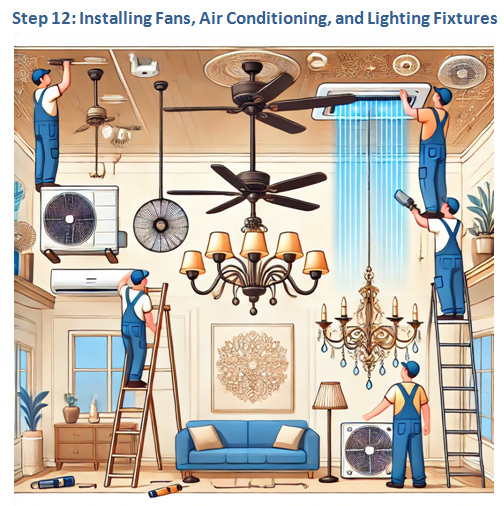
Step 12: Install Essential Fixtures
Install ceiling fans, air conditioning units, and other appliances for comfort. Add elegant lighting fixtures like chandeliers to enhance the ambiance. Make sure all electrical installations are safe and working correctly.
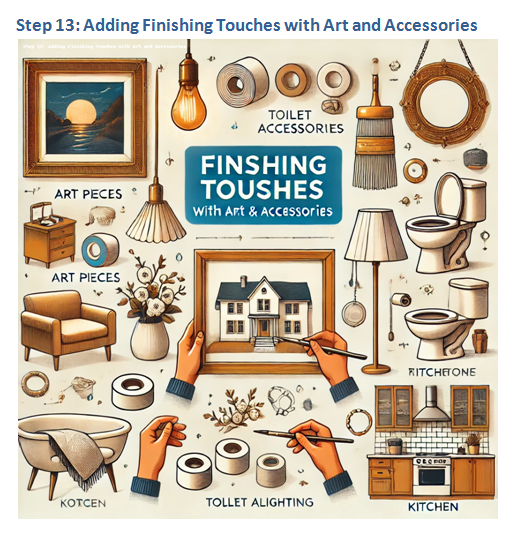
Step 13: Add Final Touches
To truly personalize your home, focus on small details like decorative items, art, and practical accessories. For example, add stylish bathroom fittings, kitchen organizers, and lighting fixtures. If you follow Feng Shui or Vastu principles, consider adding elements to create a harmonious energy flow. Finish off with rugs, cozy lighting, and soft furnishings to make your house feel warm and welcoming.
Conclusion
Building a simple house is a detailed process, but with proper planning and execution, it becomes manageable. From selecting a site and laying a strong foundation to adding personalized finishing touches, each step contributes to creating a house that is safe, functional, and uniquely yours. By following this guide, you’ll transform a basic structure into a comfortable home that reflects your style and needs.
Let us know your thoughts in the comments! Your feedback motivates us to create even better guides in the future.
About the Creator
Enjoyed the story? Support the Creator.
Subscribe for free to receive all their stories in your feed.
Comments
There are no comments for this story
Be the first to respond and start the conversation.