
How to Become an Electrical Estimator - Best 2025 Guide
Electrical Estimating Services

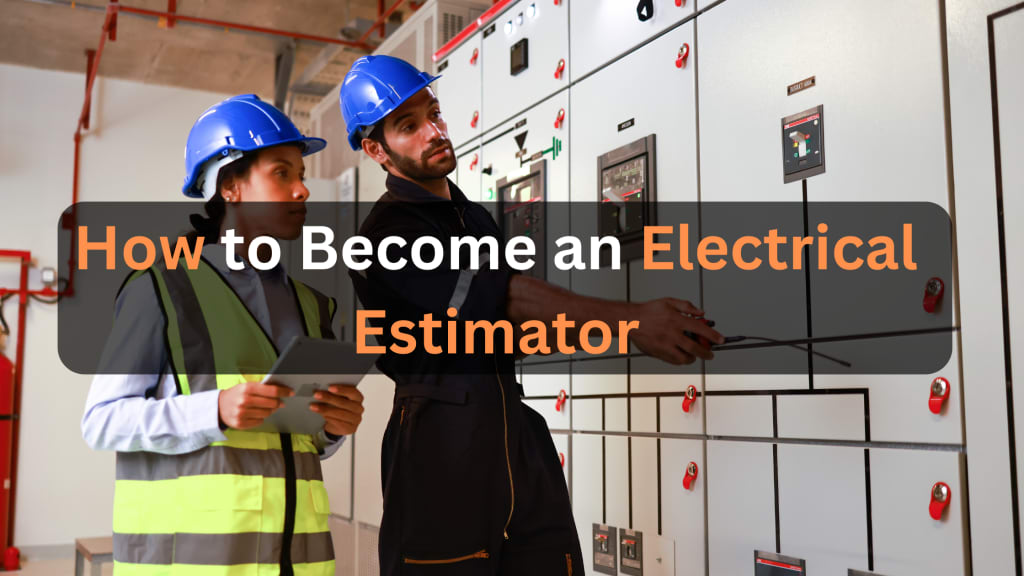
The electrical estimator is the most important aspect of the construction industry in the project related to electrical installation. He analyzes the specifications of the blueprint and other documents to know the material material quantities and total labor hours required for electrical projects. Electrical estimation is one of the best career choices where technical knowledge is integrated with good analytical skills. Many estimators provide electrical take-off services. The main reason for this is to make their estimates more accurate and efficient.
1. Steps to Become an Electrical Estimator
Becoming an electrical estimator is thus dependent on a combination of education, on-the-job experience, and some particular skills. This section outlines the steps you should follow to get started
1.1 Get the Necessary Education
The first step in becoming an electrical estimator is through the right educational background. Even though some entry-level estimators may only have a high school diploma, most electrical estimators have at least an associate's degree or a bachelor's degree in a related field.
Associate Degree
An associate's degree in electrical systems or a close field will provide the basics regarding what you should know from electrical circuits to safety standards and blueprint reading. This provides an excellent starting point if wishing to enter into the work right away.
Bachelors Degree
For better positions or higher salary generation, advanced degrees in electrical engineering, construction management, and mathematics are essential. At this level, the curriculum is mostly one of depth: complex electrical designs, project management principles, estimation with software, etc.
1.2. Acquire Technical Skills
Technical expertise forms the backbone of electrical estimation. This is not just about theoretical knowledge but a sound understanding of practical applications.
Electrical Codes and Standard
Knowledge of the National Electrical Code (NEC) and local building regulations means your estimates will meet safety and legal standards.
Software knowledge
Most companies in today's competitive world employ advanced estimation software. The ability to perform CAD and industry application training is necessary to deliver consistent and timely estimates.
Electrical Takeoff Services
Knowing these services allows you to measure and quantify your project needs. You will be sure that your estimates will be accurate and competitive as you detail materials and costs.
1.3 Learn the Practical Experience of Electrical Work
Gaining particle experience in the electrical trade is very essential to becoming an estimator. Most electrical estimators begin their careers as electricians, which equips them with the technical knowledge and practical skills necessary for accurate estimating. Working as an electrician will give a person insight into the materials, tools, and methods that are used on job sites, which is very essential when it comes to the time of estimating costs for a project.
Electrical Apprenticeship
Some common paths include completing an apprenticeship program, which involves a classroom component and on-site training. This will give you the ability to comprehend the installation process as well as the problems faced in electricians' work.
Exposure to Electrical Work
Even after completing an apprenticeship, many years of experience as an electrician can be very rewarding to become an estimator, for that will give you in-depth knowledge of how things work. Hands-on experience will give you a very broad understanding of electrical systems from wiring and lighting to more complex circuitry.
1.4. Learn about Construction Estimating Software
Electrical estimators rely heavily on specialized software to get work produced accurately and efficiently. Construction estimating software allows the estimator to figure out costs, to analyze requirements, and also to generate accurate bids.
Electrical Takeoff Services
These services are typically applied by estimators to detail material takeoffs. Electrical takeoff refers to the process of getting necessary data from construction blueprints, plans, and drawings in determining the materials needed for the electrical work. With the application of Electrical Takeoff services, the whole process is streamlined so that estimations are accurate and time-efficient.
Some Commonly used Estimating Software
Bluebeam Revu: This is digitized creating and reviewing of a project. This program provides an effortless manner in estimating and ensuring to deliver correct quantification.
PlanSwift: Helps construct the estimates from direct digital blueprints in simple manner as the requirement of those projects easily written
Accubid: Strong tool for Electrical advance estimation. Industry-wide is for many.
1.5. Analytical Skills
As an electrical estimator, you will be required to analyze huge amounts of data, which include project specifications, plans, and historical cost data. Analytical skills are very important in interpreting this information and coming up with accurate cost estimates.
Mathematics
Pay attention to topics such as algebra, geometry, and basic calculus to calculate quantities, costs, and timelines accurately.
Critical Thinking
Learn to analyze project requirements and anticipate potential problems.
Problem-Solving
Learn to troubleshoot problems, such as surprise costs or material shortages, by suggesting practical solutions.
1.6. Learn Project Management and Cost Control
A good electrical estimator should not only be aware of technical knowledge but also of project management and cost control. Therefore, knowing how projects are planned, scheduled, and implemented is an essential element of creating estimates that reflect the real needs of a project.
Project Scheduling
There also needs to be an estimate done on how much time will be required in any work about electricity and should come together with other components of project timelines. Electrical end of any construction project often cuts across all sorts of projects coordinating plumbing and HVAC services thus there is very heavy involvement concerning scheduling issues within control.
Cost Control
You must understand how to track cost of a project and measure your actual spend against original estimates. This involves the use of materials, labor, and time in costing.
1.7. Become Certified
While certification may not be necessary to work as an electrical estimator, obtaining such is likely to enhance one's qualification and prospects.
Certified Professional Estimators
This certification, offered by the American Society of Professional Estimators (ASPE), is highly recognized in the industry and may enhance your credibility as an estimator.
National Institute for Certification in Engineering Technologies (NICET)
NICET provides certifications in electrical and electronic systems, which can attest to your technical knowledge and expertise.
Construction Management Certification
These certifications expand your skill set, teaching you about budgeting, scheduling, and risk management.
1.8. Industry Insight: Networking in Industry
Professional Association Membership
Industry associations bring you into contact with professionals and open access to many valuable resources. Among them are:
National Electrical Contractors Association (NECA) - training programs, information on the industry, contact network
Association for the Advancement of Cost Engineering (AACE) - cost estimation, cost analysis, best practices.
Attend industry Events: Attend trade shows, workshops, and webinars to stay updated on emerging technologies and tools. Industry events often highlight advancements in Electrical Takeoff services, keeping you ahead of the curve.
2. Conclusion
It is a journey of education, experience, and continuous development of skills in becoming an electrical estimator. Some of the things that can be done to position yourself for success in this dynamic and growing field are mastering tools, embracing innovations such as Electrical Takeoff services, and building a strong professional network.
About the Creator
Henry
Henry Jack is a writer passionate about storytelling and sharing insights With a focus on [technology, he crafts articles that inform, inspire, and readers.
Enjoyed the story? Support the Creator.
Subscribe for free to receive all their stories in your feed.
Comments
There are no comments for this story
Be the first to respond and start the conversation.