
How Sam Suseelan Is Transforming AI-Driven Aviation?
Explore how Sam Suseelan is transforming the aviation industry with AI-powered solutions, improving operational efficiency, safety, and the future of intelligent aviation.

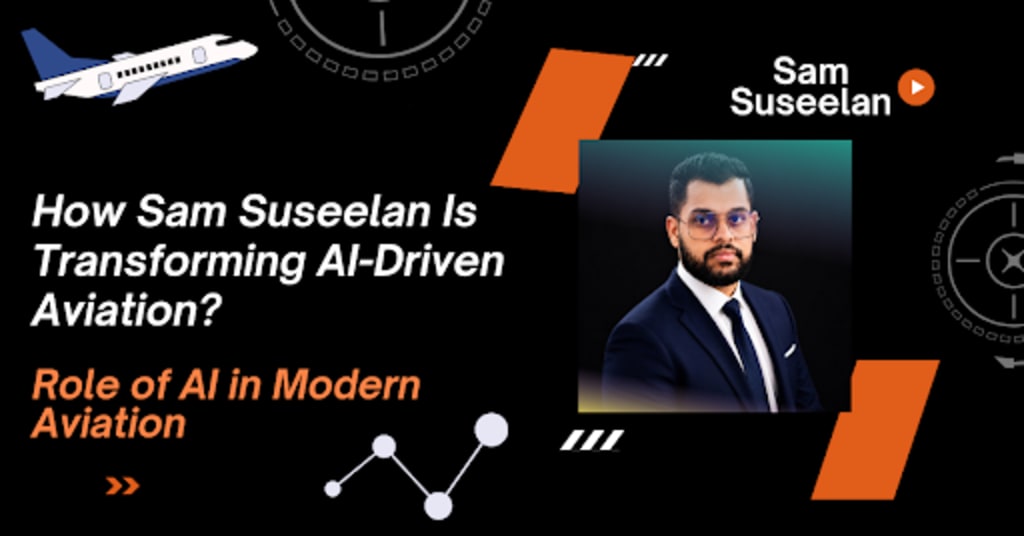
The aviation industry is changing quickly as airports and airlines look for smarter ways to improve safety, reduce delays, and manage rising operational costs. Modern aviation systems now rely on advanced technology to monitor aircraft performance, improve fuel efficiency, and support faster decision-making.
Among the researchers contributing to this shift is Sam Suseelan, whose work focuses on intelligent aviation systems, runway safety, and operational efficiency. His research explores how connected aviation technologies can help create safer, faster, and more reliable air travel for the future.
The Growing Role of AI in Modern Aviation
Modern aviation depends heavily on data, automation, and real-time monitoring. Airlines and airports handle thousands of operations every day, making speed and accuracy more important than ever. This is where intelligent aviation systems are becoming increasingly valuable. Today, advanced aviation technologies are being used for:
- Aircraft performance monitoring
- Predictive maintenance systems
- Fuel efficiency management
- Runway safety monitoring
- Flight operation analysis
These systems help aviation teams detect issues earlier and improve overall efficiency. Instead of relying only on manual processes, airlines can now use connected systems to make faster operational decisions. Some major benefits include:
- Reduced maintenance delays
- Better aircraft reliability
- Improved passenger safety
- Lower fuel consumption
- Faster response to operational risks
As aviation technology continues to evolve, researchers and innovators are focusing on building systems that are not only smarter but also more reliable for long-term industry growth.
Sam Suseelan’s Vision for Intelligent Aviation Systems
Sam Suseelan focuses on creating aviation systems that are smarter, safer, and more connected. His research looks at how modern technologies can improve daily aviation operations while helping airlines and airports handle growing safety and efficiency challenges.
- Real-Time Monitoring Systems
One of the main areas of his work is real-time monitoring. These systems are designed to track aircraft operations continuously and identify potential issues before they become serious problems. Early detection allows aviation teams to respond faster and reduce operational risks.
- Smarter Decision-Making
Modern aviation generates large amounts of operational data every day. Sam Suseelan’s research focuses on using this information to support faster and more accurate decision-making. This can help improve maintenance planning, aircraft performance analysis, and overall operational management.
- Connected Aviation Infrastructure
Another important part of his vision is creating connected aviation systems where airports, aircraft, and monitoring technologies work together more efficiently. Better coordination between systems can improve communication, increase operational accuracy, and support safer flight operations.
- Long-Term Operational Efficiency
Sam Suseelan also focuses on improving long-term aviation efficiency instead of only solving short-term operational issues. His work supports more reliable aviation systems by reducing delays, improving fuel management, and helping airlines maintain smoother operations over time.
Improving Runway Safety Through AI-Based Detection Systems
Runway safety remains one of the most important parts of modern aviation. Busy airports handle constant aircraft movement, which increases the risk of runway conflicts, delayed responses, and operational errors. Sam Suseelan’s research focuses on improving how aviation systems detect and respond to these situations.
Reducing Runway Risks
Runway incursions can happen when aircraft, vehicles, or ground operations enter restricted runway areas at the wrong time. These situations can create serious safety concerns, especially at high-traffic airports.
Sam Suseelan’s work explores systems that can identify possible runway risks earlier and support faster operational responses.
Advanced Detection and Monitoring
His research includes the use of intelligent monitoring systems that combine sensors, operational data, and real-time tracking. These systems are designed to improve situational awareness and help aviation teams monitor runway activity more accurately. Better monitoring can help:
- Detect unusual runway movement
- Improve response times
- Reduce operational confusion
- Support safer airport operations
- Supporting Faster Safety Decisions
Another important focus of his work is helping aviation teams make quicker safety-related decisions. Real-time operational analysis can provide faster alerts and reduce the chances of delayed responses during critical situations.
By improving runway monitoring and operational awareness, intelligent aviation systems can support safer and more efficient airport environments.
Intelligent Aviation Systems and Operational Efficiency
Modern aviation operations depend on speed, coordination, and accuracy. Even small delays or technical issues can affect flight schedules, maintenance planning, and operational costs. Sam Suseelan’s research focuses on improving how aviation systems manage these challenges more efficiently.
Improving Aircraft Maintenance
Traditional aircraft maintenance often follows fixed schedules, even when certain parts may not require immediate servicing. This can increase downtime and operational costs.
Sam Suseelan’s work explores smarter maintenance systems that monitor aircraft performance continuously. These systems can help identify possible mechanical issues earlier and support more efficient maintenance planning.
Better Fuel Management
Fuel efficiency has become a major priority for the aviation industry due to rising operational costs and environmental concerns. His research also focuses on systems that analyze aircraft performance and operational conditions to improve fuel management.
Smarter fuel optimization can help airlines:
- Reduce unnecessary fuel usage
- Improve operational efficiency
- Support more sustainable aviation practices
Faster and More Connected Operations
Another important area of focus is improving communication between different aviation systems. Connected operational systems can help airports, aircraft, and ground teams share information more efficiently. This improves:
Flight coordination
Operational accuracy
Response time during disruptions
Overall workflow management
By improving maintenance, fuel management, and operational coordination, intelligent aviation systems can help create smoother and more reliable aviation operations.
The Future of AI-Driven Aviation
The aviation industry is expected to become more connected, automated, and data-focused in the coming years. Airlines and airports are already investing in smarter systems that can improve safety, reduce delays, and support more efficient operations.
Sam Suseelan’s research reflects this shift toward intelligent aviation systems that can handle complex operational challenges more effectively. His work focuses on creating technologies that support faster monitoring, better maintenance planning, and improved runway safety. In the future, aviation systems may become more advanced through:
- Real-time operational monitoring
- Smarter aircraft maintenance systems
- Improved airport coordination
- Better fuel optimization strategies
- Faster safety response systems
As aviation technology continues to evolve, intelligent systems will likely play a larger role in improving both operational performance and passenger safety. Researchers like Sam Suseelan are contributing to this progress by exploring practical solutions for modern aviation challenges.
Conclusion
The aviation industry is moving toward smarter and more connected operational systems that focus on safety, efficiency, and long-term reliability. Sam Suseelan’s research highlights how intelligent aviation technologies can help improve runway safety, aircraft maintenance, fuel management, and overall operational performance.
His work reflects the growing importance of advanced monitoring and connected aviation systems in modern air travel. As airlines and airports continue to adopt smarter technologies, research focused on practical aviation solutions will play an important role in shaping the future of the industry.
About the Creator
Mega players
Entrepreneurs are the visionaries of the modern era—risk-takers, innovators, and disruptors who turn bold ideas into reality.
Enjoyed the story? Support the Creator.
Subscribe for free to receive all their stories in your feed.
Comments