
How RPA and Machine Learning Work Together?
RPA and Machine Learning Work Together

How RPA and Machine Learning Work Together
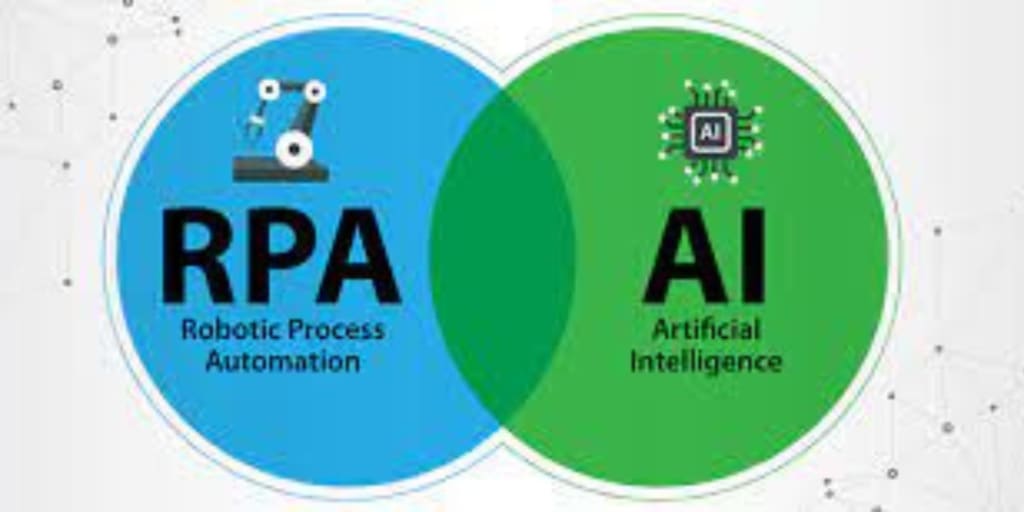
In the modern landscape of digital transformation, automation and artificial intelligence are reshaping business operations. Among the key players in this transformation are Robotic Process Automation (RPA) and Machine Learning (ML). While both technologies have distinct functionalities, their integration can lead to powerful synergies that enhance efficiency and decision-making processes. This article explores how RPA and Machine Learning work together, examining their individual roles and the benefits of their collaboration.
Understanding Robotic Process Automation (RPA)
Robotic Process Automation (RPA) involves the use of software robots or "bots" to automate repetitive, rule-based tasks that are typically performed by human workers. RPA operates on a set of pre-defined rules and structured data, which allows it to perform tasks such as data entry, process transactions, and manage workflows with high precision and consistency.
Key Characteristics of RPA:
Rule-Based Automation: RPA follows explicit rules and instructions. It excels in automating routine tasks where the steps and data flows are well-defined.
User Interface Interaction: RPA bots interact with software applications through user interfaces, mimicking human actions such as clicking buttons, entering data, and navigating screens.
Scalability: RPA solutions can be scaled easily to handle increased volumes of work by deploying additional bots as needed.
Cost Efficiency: By automating repetitive tasks, RPA reduces the need for manual labor, leading to cost savings and improved operational efficiency.
Understanding Machine Learning (ML)
Machine Learning (ML) is a subset of artificial intelligence that focuses on developing algorithms and models that enable computers to learn from and make predictions or decisions based on data. Unlike RPA, ML does not rely on explicit rules; instead, it uses statistical techniques to identify patterns and make inferences from large datasets.
Key Characteristics of ML:
Data-Driven Learning: ML models are trained on historical data to recognize patterns and make predictions. The more data the model processes, the better it becomes at making accurate predictions.
Adaptability: ML systems can adapt to new data and changing conditions. They improve their performance over time as they learn from new information.
Complex Problem Solving: ML excels in tasks that involve complex pattern recognition, such as natural language processing, image recognition, and predictive analytics.
Continuous Improvement: ML models can be continuously updated and refined based on new data, enhancing their accuracy and relevance.
The Synergy Between RPA and ML
While RPA and ML have distinct functions, their integration can significantly enhance the capabilities of both technologies. Here’s how they work together to create a more powerful automation solution:
Enhanced Decision-Making:
RPA's Role: RPA excels at executing predefined tasks efficiently but lacks the ability to handle complex decision-making or adapt to new situations.
ML's Role: ML can analyze large volumes of data to provide insights and make predictions. When integrated with RPA, ML models can provide real-time data-driven insights that guide the bots in making more informed decisions.
Combined Benefit: By combining RPA's rule-based automation with ML's predictive capabilities, organizations can automate complex workflows that involve decision-making, such as fraud detection, customer service, and risk assessment.
Handling Unstructured Data:
RPA's Role: RPA primarily deals with structured data that fits into predefined fields and formats. It struggles with unstructured data such as emails, documents, or social media posts.
ML's Role: ML techniques, particularly natural language processing (NLP) and image recognition, can analyze and interpret unstructured data.
Combined Benefit: Integrating ML with RPA allows organizations to automate processes that involve unstructured data. For example, ML can extract relevant information from invoices or emails, and RPA can then use this information to complete tasks like data entry or document processing.
Predictive and Adaptive Automation:
RPA's Role: RPA follows a static set of rules and does not adapt to changing conditions or learn from past experiences.
ML's Role: ML models continuously learn from new data and adapt their behavior based on evolving patterns and trends.
Combined Benefit: When RPA is combined with ML, the automation system can adapt to changing conditions and predict future needs. For instance, ML can forecast customer demand, and RPA can adjust inventory management processes accordingly.
Error Reduction and Quality Improvement:
RPA's Role: RPA minimizes human errors by automating repetitive tasks with precision.
ML's Role: ML can detect anomalies and patterns that indicate potential errors or areas for improvement.
Combined Benefit: By leveraging ML's anomaly detection capabilities, organizations can proactively identify and address issues in the automated processes managed by RPA, leading to higher accuracy and better quality outcomes.
Scalable and Efficient Operations:
RPA's Role: RPA provides scalability by deploying additional bots to handle increased workloads.
ML's Role: ML can optimize processes by identifying inefficiencies and suggesting improvements.
Combined Benefit: ML can analyze operational data to identify areas where RPA can be scaled or optimized, ensuring that the automation solution remains efficient and effective as business needs evolve.
Real-World Examples
Several organizations have successfully integrated RPA and ML to enhance their operations:
Financial Services:
Example: Banks use RPA to automate routine tasks like account reconciliation and transaction processing. By integrating ML, they can enhance fraud detection by analyzing transaction patterns and flagging suspicious activities.
Healthcare:
Example: Healthcare providers use RPA to manage patient records and process claims. ML models analyze medical data to predict patient outcomes and suggest personalized treatment plans. The integration of both technologies improves patient care and operational efficiency.
Retail:
Example: Retailers use RPA for inventory management and order processing. ML analyzes customer behavior and preferences to optimize stock levels and personalize marketing campaigns. Together, they streamline operations and enhance customer experiences.
Conclusion
The integration of Robotic Process Automation (RPA) and Machine Learning (ML) represents a significant advancement in automation and artificial intelligence. By combining RPA's efficiency in handling repetitive tasks with ML's ability to analyze data and adapt to new information, organizations can achieve more sophisticated and adaptive automation solutions. This synergy not only enhances operational efficiency but also drives innovation, improves decision-making, and addresses complex challenges. As businesses continue to embrace digital transformation, the collaboration between RPA and ML will play a crucial role in shaping the future of automation and AI.
About the Creator
Layals Gourmet Sweets
The finest pastries and baked goods delivered to your door step are available now! All of our baked goods have a strong dose of culture behind them. https://www.layals.com/
Enjoyed the story? Support the Creator.
Subscribe for free to receive all their stories in your feed.
Comments
There are no comments for this story
Be the first to respond and start the conversation.