
How PYP Encourages Holistic Learning for Kindergarten Kids
Explore PYP Holistic Learning for Nursery Students
The Primary Years Programme (PYP) is a unique educational framework developed by the International Baccalaureate (IB) designed to foster a comprehensive and balanced approach to learning for young children, especially in kindergarten.
The PYP curriculum focuses not just on academic excellence but on developing the whole child—emotionally, socially, physically and ethically. If you’re considering a PYP school for your kindergarten-aged child, here’s how this program encourages holistic learning and creates a well-rounded educational experience.
What is the Primary Years Programme (PYP)?
The Primary Years Programme (PYP) is an inquiry-based curriculum for children aged 3 to 12, focusing on both intellectual and personal development. For kindergarten kids, it emphasises building strong foundations in various areas of learning while encouraging curiosity and critical thinking. The PYP is known for its flexible and child-centered approach, where the learning process is tailored to each child’s needs and interests.
The PYP curriculum is built on a set of key principles that prioritise developing students’ academic skills as well as their social, emotional and ethical understanding. The program encourages active learning through play, exploration and hands-on activities, which helps young children engage with the world around them in meaningful ways.
- Holistic Learning in PYP
One of the main reasons parents opt for PYP schools is their commitment to holistic education. This approach ensures that learning goes beyond simply acquiring knowledge. Holistic learning in the PYP means nurturing the development of the child in various areas: intellectual, emotional, social and physical.
In the kindergarten years, this means creating a learning environment where kids are encouraged to explore their curiosity, understand their emotions, build strong social skills and develop a sense of responsibility. Rather than focusing solely on memorising facts or achieving academic milestones, PYP emphasises the importance of how children grow as individuals and as members of their community.
2. Inquiry-Based Learning
At the heart of the PYP is inquiry-based learning, which is particularly effective for kindergarten children who are naturally curious. Instead of simply teaching facts, the PYP encourages kids to ask questions and explore topics that interest them. This approach fosters a love for learning and helps children understand that learning is an ongoing, interactive process.
In a typical PYP classroom, kindergarten kids may start with an idea or question, like "What makes plants grow?" or "Why do we need water?" Teachers guide students through the process of investigating these questions, encouraging them to think critically, make observations and seek answers through experiments and discussions. This approach helps children build problem-solving skills, develop independence and cultivate a mindset that views challenges as opportunities for growth.
3. Learning Through Fun
In the early years, play is one of the most effective ways children learn. The PYP recognises the value of play-based learning and incorporates it into the curriculum. In kindergarten, much of the learning happens through structured play activities that help children develop a wide range of skills.
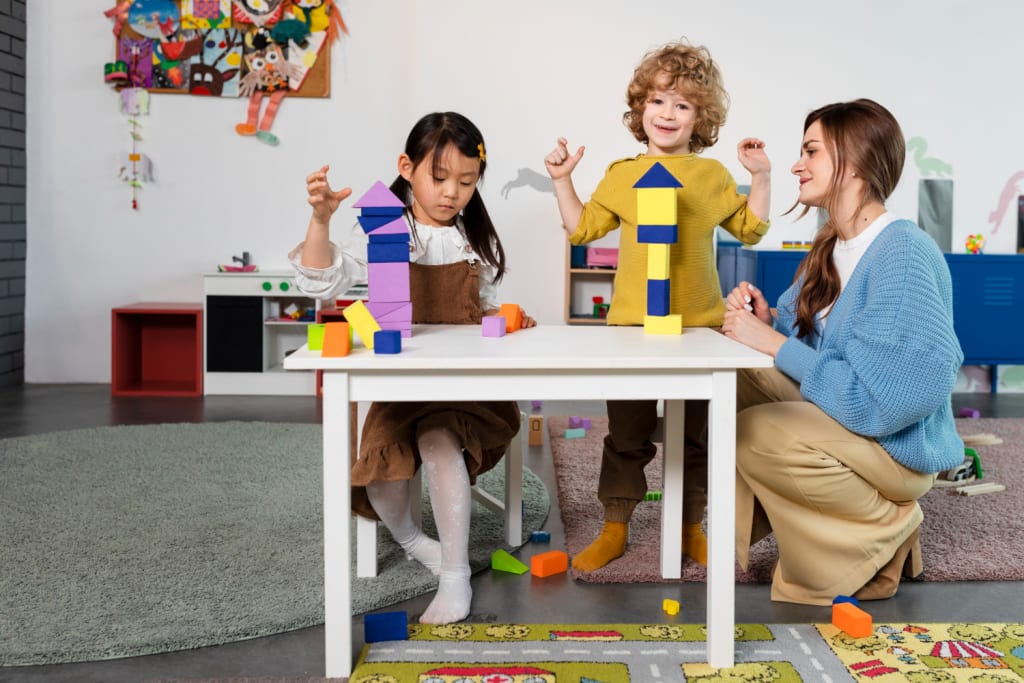
From role-playing in dramatic play corners to solving puzzles and building with blocks, play in the PYP is designed to encourage social interaction, enhance fine and gross motor skills and promote creativity. For example, playing with different materials in the art corner can help children express themselves artistically, while working together to build a structure fosters teamwork and problem-solving skills.
Play allows children to apply the concepts they are learning in real-world situations. It also provides opportunities for children to practice emotional regulation, sharing and empathy—skills that are essential for their personal development.
4. Social-Emotional Development
The PYP focuses not just on intellectual development but also on emotional and social learning. In kindergarten, social-emotional development is crucial, as young children are learning how to interact with others, express their feelings and understand different perspectives.
Through activities like group discussions, cooperative play and guided reflections, the PYP helps children develop emotional intelligence. They learn how to manage their emotions, understand others’ feelings and resolve conflicts in a healthy and respectful way. For example, when a child feels upset, teachers in a PYP classroom may encourage them to express their feelings using words rather than actions, helping them build communication skills and emotional awareness.
5. Physical Development
Physical development is another important aspect of holistic learning in the PYP. In kindergarten, children are still developing their fine and gross motor skills and the PYP provides many opportunities for them to engage in physical activities that promote overall health and well-being.
Physical activities in the PYP include outdoor play, yoga, dance and games that require coordination, balance and teamwork. These activities not only promote physical fitness but also help children build confidence, resilience and an understanding of the importance of taking care of their bodies.
Conclusion
The Primary Years Programme (PYP) encourages holistic learning by focusing on the intellectual, emotional, social and physical development of young children. In a PYP kindergarten school in Singapore, kids are not just prepared academically but also emotionally and socially for the challenges of school and life. By nurturing curiosity, encouraging play and developing responsibility, the PYP ensures that children grow into well-rounded, confident and capable individuals.
About the Creator
Kajal Verma
I’m passionate about connecting families with the right international schools and curricula that will guide them on their educational journey and foster their growth.
Enjoyed the story? Support the Creator.
Subscribe for free to receive all their stories in your feed.
Comments
There are no comments for this story
Be the first to respond and start the conversation.