
How Much Does it Cost to Frame a House?
How Much Does it Cost to Frame a House - Complete Pricing Guide

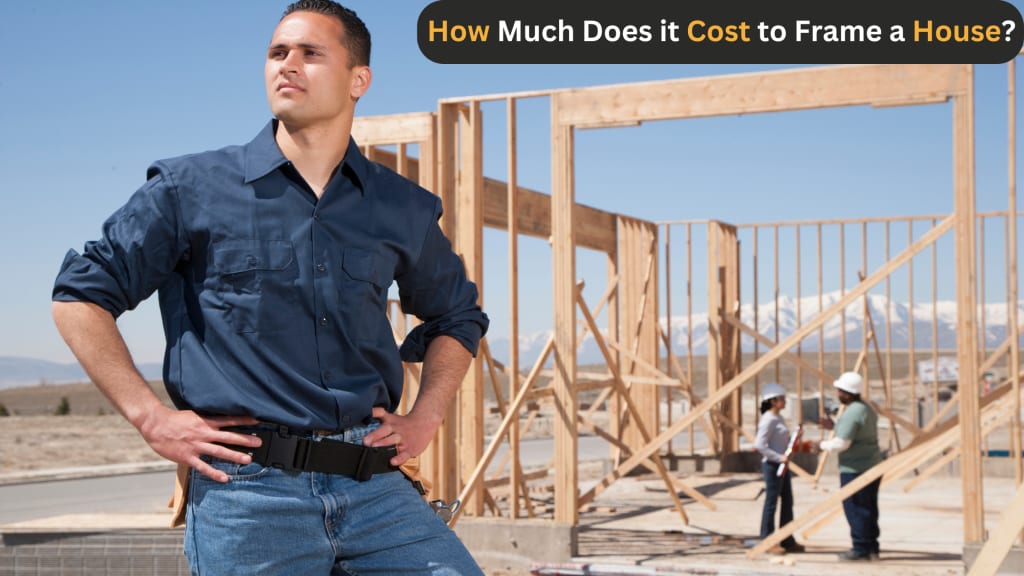
House framing is the most important construction segment, and it will be costlier than ever. The framing cost of a house depends on several factors, including escalating material costs, shortages of skilled labor, and lingering impacts of supply chain disruptions over the past few years. It is vital to know what to anticipate when it comes to framing costs for homeowners who plan to construct a home.
Generally, the cost of framing a 2,000-square-foot house might be between $20,000 and $30,000, depending on the size of the house, material, and complexity of the design. The cost of framing might also depend on seasonal demand, changes in material prices, and locations.
To keep the project within budget, homeowners get Framing takeoff services to obtain a detailed material breakdown. This gives a clear picture of what is required, avoids financial loss, and keeps the project within budget. Let us discuss the various factors that will decide the cost of framing a house, such as house size, the cost of labor in your locality, the material required, and any additional requirements.
Factor Affecting the Framing Cost
The most important variables to consider when organising cost estimates are the price of materials, labor in your region, and the house's overall design. Knowing these variables allows builders and homeowners to better plan and prevent surprises regarding the budget.
Size and Design Complexity:
The bigger your house is and the more complicated its design is, the higher it will be to frame. Bigger houses require more labor and materials, which are more expensive. Complicated designs like multi-story houses, custom houses, or special-feature houses can add 15-20% to framing expenses over simpler designs. For instance:
- Small houses (Less than 1,500 sq. ft.): $6,000 - $9,000
- Medium houses (1,500 to 2,500 sq. ft.): $10,000 - $15,000
- Big homes (2,500+ sq. ft.): $18,000 - $25,000
Properties, including personalised elements such as vaulted ceilings, wide windows, or open floor layouts, will add material and labor costs because extra structural reinforcement is required.
They also require more time to implement, which costs more. When planning your house, consider how its intricacy affects your framing expenditure. In most cases, the more complex the design, the greater the cost of framing because extra labor and customised materials are involved.
Material Selection:
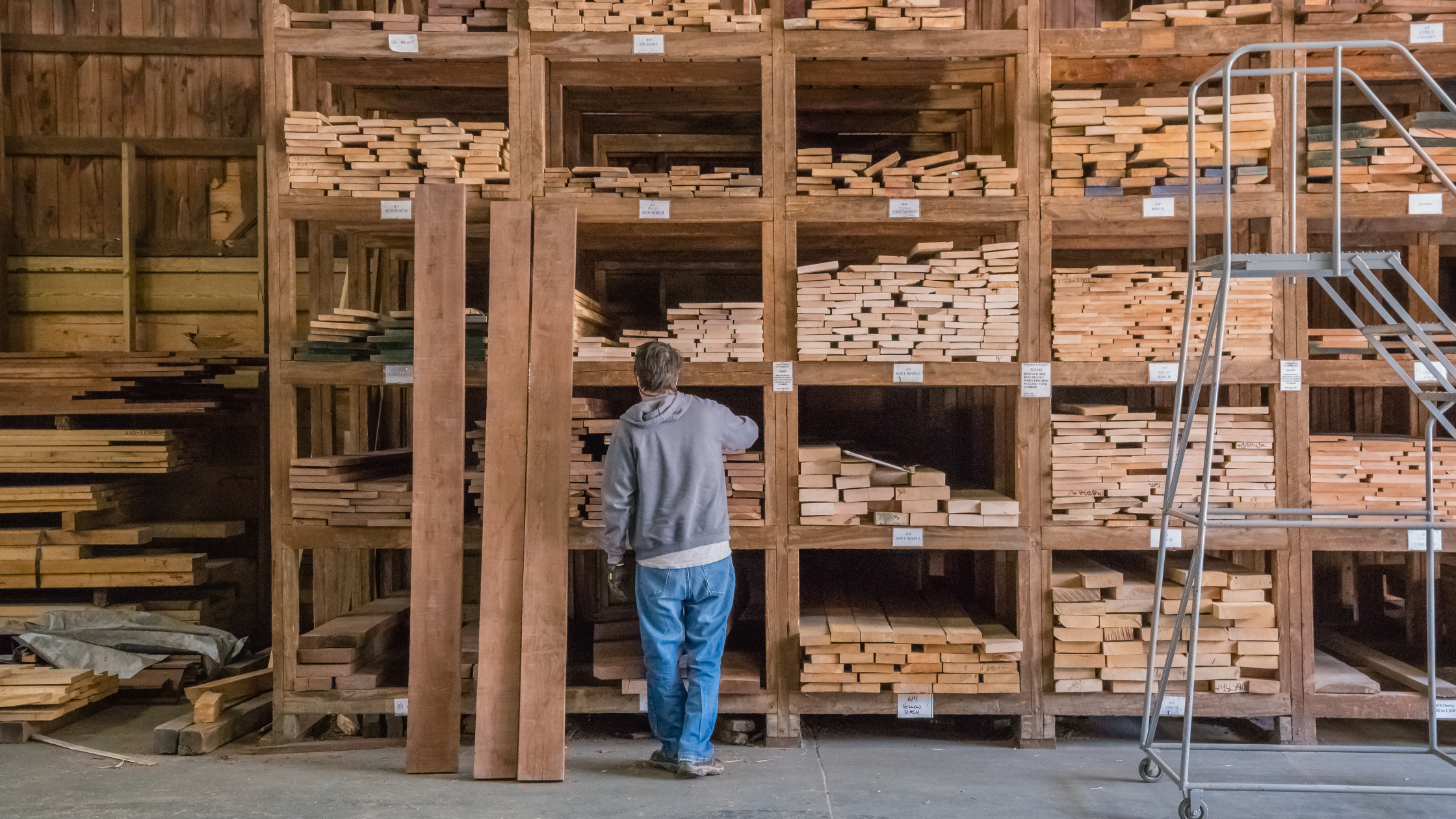
Materials selected for the frame have significant implications for the cost. Wood, steel, concrete, and prefabricated frames vary in cost. This is the estimated cost per material.
Wood framing (lumber) is the most commonly used material, costing between $70 and $160 per square foot. Even after lumber price stabilisation, it is more unpredictable than any other material.
Steel Framing: Steel Framing will cost between $75 and $220 per square foot. Steel is very durable, but because of the higher demand worldwide, it is pricier.
Concrete Framing: Concrete is used for its hardness and fireproof quality. It costs between $80 and $170 per square foot. Although concrete is pricey compared to wood, it is long-lasting and fire and insect-resistant.
Prefabricated Framing: Prefabricated frames are preassembled off-site and cost between $55 and $160 per square foot. They save time but can involve extra transportation and set-up costs.
Engineered Wood: I-joists or LVL beams bring added strength, particularly for large open areas, and cost a further $3 - $8 per sq. ft.
When choosing framing material, consider the climate in your area, the level of maintenance you’re willing to invest in, and your overall budget. For example, steel and concrete may have a higher initial cost but could offer lower maintenance over time.
Location and Labor Rates
Framing takes skilled labor, and they charge according to various factors. You will pay between $5 and $12 per square foot in labor costs. Consider the following information:
Skilled Labor: Because building load-bearing walls, cutting windows and doors, and making everything square and level are involved, skilled labor is needed. This typically involves framing carpenters, general contractors, and laborers.
Your geography affects labor costs as well as shipping costs. Here's the way your location can affect framing costs:
Urban Locations: Greater demand raises labor costs, which usually range between $30 and $80 an hour. Shipping materials can also be expensive due to shipping charges.
Rural Locations: Though labor costs are lower ($25 to $50 an hour), shipping materials could be pricier due to the distance factor.
Local building codes affect framing expenses. Regions under natural hazards would have higher labor and material prices since reinforcements shall be included. Earthquake regions, for instance, might involve added metal braces or concrete strengthenings at higher labor and material expenses.
Additional Expenses:
Some projects will include additional expenses:
Exterior Sheathing: This will range from $3 to $9 per square foot, depending on the sheathing material selected (plywood, OSB, or other).
House Wrap (Tyvek, Typar): House wrap is sometimes used to keep a house dry and airy. It costs between $0.50 and $1.00 per square foot.
Reinforced Beams: Prices will depend on the design, but custom elements such as big windows, open space, or vaulted ceilings may require additional beams or supports that can cost anywhere from $500 to $2,000 extra.
Residential VS Commercial Framing
Residential and commercial framing prices differ greatly depending on the required size, material, and labor.
Residential Framing:
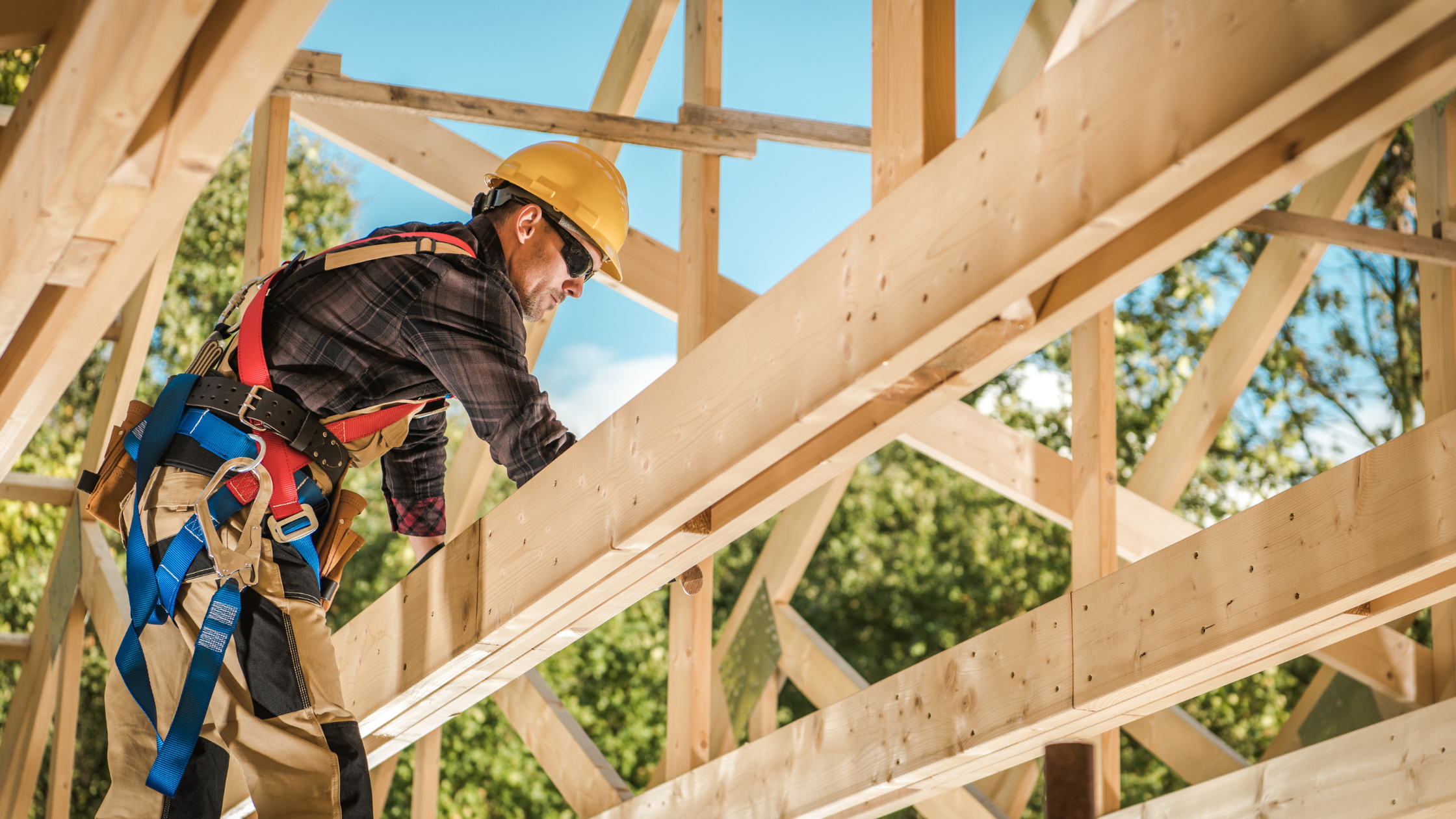
Residential house framing prices typically range from $8 to $18 per square foot. Residential framing includes walls, floors, and ceilings that support the load of an average home. Wood is the typical material used, inexpensive, and easy to work with. Residential project labor costs range from $30 to $50 per hour, depending on where the project is and how complicated the design is. People who have custom homes with vaulted ceilings, expansive windows, or openness will cost more and take longer and, therefore, have more material and labor expenses.
Commercial Framing:
Commercial framing is more expensive, costing $10 to $25 per square foot. Commercial buildings, such as offices or malls, require stronger frames that can handle more weight and space. Materials employed are typically steel beams, reinforced concrete, and metal frames, which are more costly and need trained laborers. Commercial project labor costs typically range from $40 to $100 per hour, as commercial framing requires more experienced labor. Bigger crews and often more complex equipment. The additional size and complexity of business buildings create extended construction timelines, which swell the overall expense.
Types of Framing Projects and Their Cost
Some of the most common house framing projects and their costs include:
Home Addition Framing:
When you build a new room or add on to an existing portion of your home, framing will often cost more than for a newly built home. This is due to the fact that the new building has to be merged with the old structure and may need more adjustments to stabilize it and set it up in the proper position. Home additions usually cost between $7 to $12 per square foot, and bigger additions can cost between $5,250 to $9,000 for a 750-square-foot area.
Basement Framing:
Basement framing is more expensive than usual framing due to the use of water-resistant framing materials and the additional complexity of working below ground. It usually falls in the cost range of $11 to $18 per square foot.
Garage Framing:
Garage framing is often simpler and less expensive than other framing. Garages typically don't require as many load-bearing walls and tend to have less structural sophistication. A basic garage framing system will run between $5 and $6 per square foot, and a standalone two-car garage may range from $8,000 to $14,000.
Roof Framing:
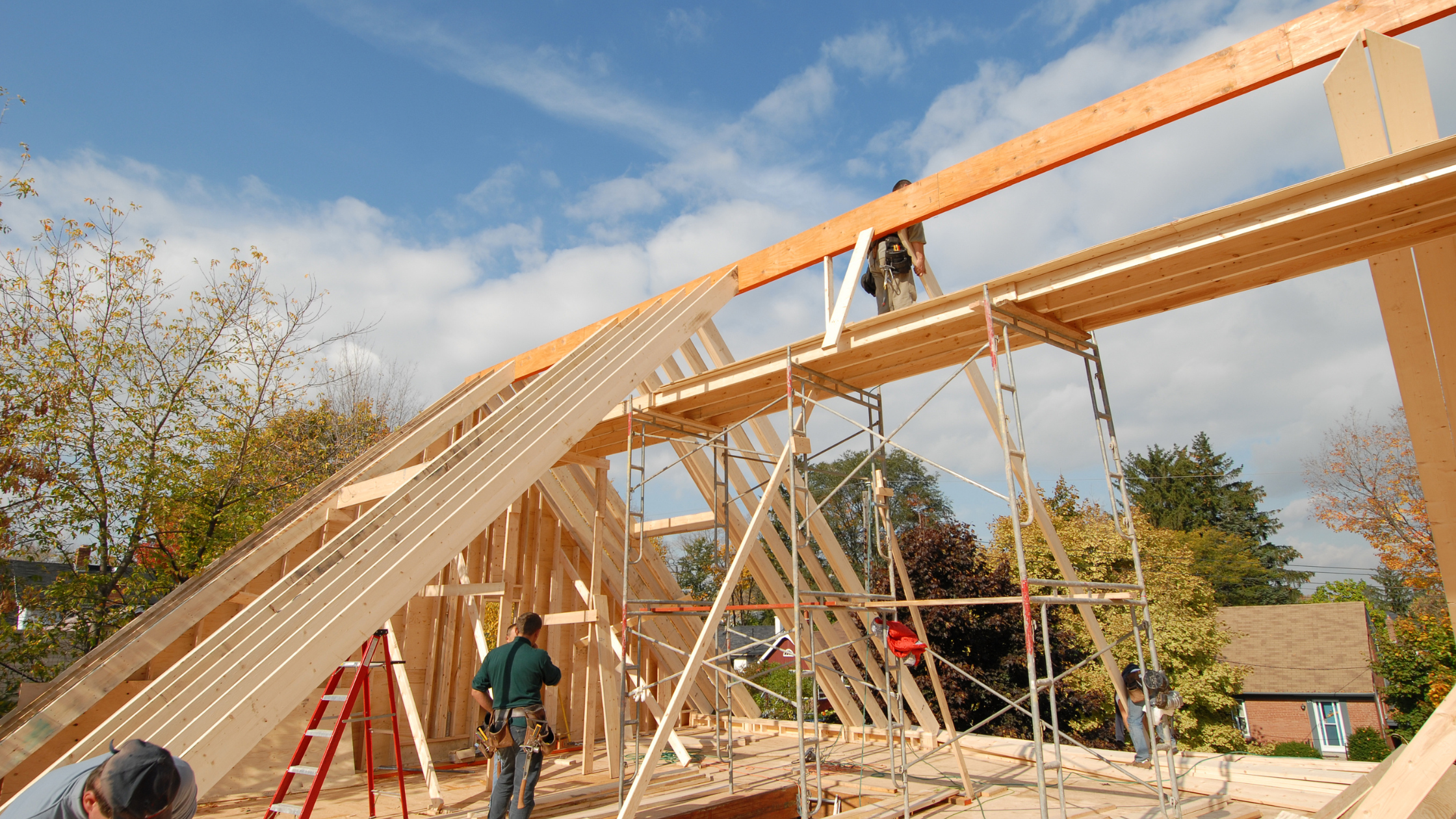
Framing the roof is also a very important step in constructing a house. This will be determined by the decision to either use stick framing or prefabricated trusses. Stick framing can cost between $7 and $10 per square foot, but that of prefabricated trusses costs between $2 and $5 per square foot.
Cost Breakdown of Framing a New House
The price of framing a new house varies based on the overall house size as well as other factors such as material selection and design complexity. In general, the bigger the house, the more costly the framing. The more complex and customised your design, the higher the materials and labor will be.
Framing Costs by Home Size:
A home that is approximately 1,500 sq ft mighty costs anywhere from $12,000 to $27,000 to frame, while a larger 2,000 square foot house could run between $16,000 to $36,000. If you’re building an even larger home, say a 2,500-square-foot house, the framing costs might range from $20,000 to $45,000.
Total Home Construction Cost:
The framing portion of the entire cost of a house construction is 10% to 15% of the entire budget of a new home. Let us assume that you are building a 2,000-square-foot house that costs $320,000. The framing cost will be between $32,000 and $48,000.
If you plan on putting a second story on your home, keep in mind the framing cost of the second story will usually be about 20% to 30% higher than the first story due to the fact more structural support will be required.
What is Included in House Framing?
When you hire someone to frame houses, you want to know exactly what is encompassed and included in it. House framing encompasses the process of creating structural members that form the skeleton of the house.
Structural Framework:
House framing typically consists of framing walls, floors, and the roof. These are the main structures that support the whole house. Wall framing consists of the studs, beams, and headers that constitute the interior and exterior walls of the house. Floor framing consists of the utilization of joists, subflooring, and reinforcement beams to support the weight of the structure. Roof framing consists of constructing rafters, trusses, and decking that will constitute the roof of the home.
Door and Window Openings:
During framing, contractors create rough openings for doors, windows, and skylights. These are pre-cut areas for the installation of doors and windows later in the construction process. The framing on these openings must be precise to ensure the final installations fit and hold securely.
What's Not Included in Framing?
While framing is a critical activity to build the skeleton of the house, it does not include other activities like insulation, drywall, or the completion of siding/stucco. All these are carried out after the framing has been completed and incur related expenses.
Conclusion
The selection of the structural framing material is not only important to ensure the safety and longevity of a house but also for the cost of constructing the house. Knowing the different materials that are utilized, how much they are, and why framing prices are what they are can assist homeowners, builders, and developers in making sound decisions. Proper planning and budgeting can make it possible to utilize a framing system that is efficient and affordable enough to maintain your building within your budget while still providing all the structural requirements.
About the Creator
Lumber Takeoff
We offer precise and fast lumber material takeoff services for contractors and suppliers. Our expert estimators provide detailed material lists, including dimensions, grades, and quantities, helping clients save time and reduce costs.
Enjoyed the story? Support the Creator.
Subscribe for free to receive all their stories in your feed.
Comments