
How Long Does the Student Visa Process Take?
Understanding the Timeline: Key Steps and Processing Times for Your Student Visa
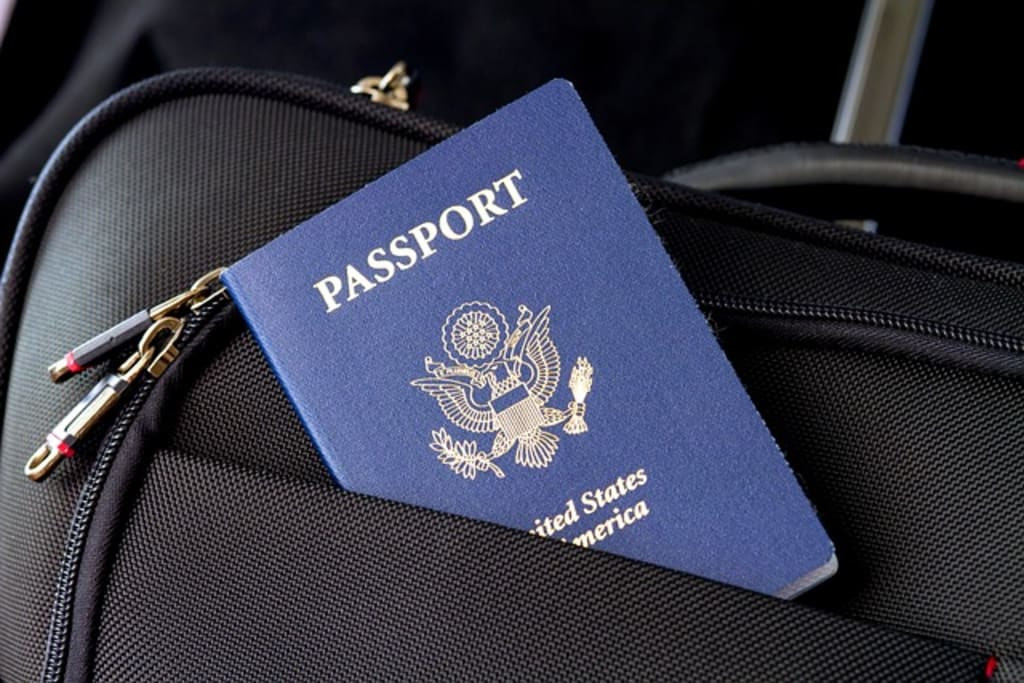
The student visa process time is an important step for those who wish to study in the United States. Whether you’re planning on pursuing an undergraduate degree, a master’s program, or even a short-term course, securing your visa is essential. One of the most common questions international students ask is: “How long does it take to get a student visa?”
While the process can vary based on several factors, understanding the typical timeline can help you prepare better and avoid unnecessary stress.
Application Submission and DS-160 Form
The first step in applying for a student visa is filling out the DS-160 form. This form is the official visa application and must be completed online. You’ll need to gather information about your personal details, academic background, and plans for your stay in the U.S. Once the form is submitted, you will receive a confirmation page with a barcode – keep this handy as it is required for your interview.
Depending on how organized you are, completing this form could take anywhere from an hour to a few days. After submission, there are no immediate actions required, so it’s a good idea to use this time to prepare the other necessary documents.
Wait Time for Interview Appointment
The next step is scheduling your visa interview, and this is where timing can get tricky. Wait times for U.S. visa interviews vary dramatically depending on the U.S. Embassy or Consulate in your country. For instance, in some regions, such as parts of Africa or Southeast Asia, wait times may be relatively short. In countries like India or Brazil, on the other hand, applicants may face months-long delays due to the overwhelming demand.
To avoid last-minute hassles, it’s crucial to apply early and book your interview as soon as possible. Students are generally advised to begin the process three to five months before their program starts. This way, even if there are delays, you will still have enough time to attend your visa interview and prepare for travel.
SEVIS Fee and Payment Confirmation
Once you’ve scheduled your interview, you will need to pay the SEVIS I-901 fee. This fee funds the Student and Exchange Visitor Information System (SEVIS), which tracks your stay in the U.S. and your compliance with visa regulations. The SEVIS fee payment is non-refundable and costs $350 for F-1 students. Once the payment is processed, make sure to print the confirmation, as this is another document you’ll need for your interview.
While paying the SEVIS fee is a quick step, ensure that it’s done well in advance of your interview to avoid any issues.
Attending the Visa Interview
The visa interview is perhaps the most nerve-wracking part of the entire process. However, if you’ve prepared well, it can be straightforward. During the interview, the consular officer will ask about your academic goals, financial situation, and ties to your home country.
It’s important to demonstrate that you are a genuine student, have sufficient financial support for your studies, and intend to return to your home country after completing your education. If everything goes smoothly, the officer may approve your visa on the spot.
Generally, you should expect to hear about the outcome of your visa application within a few days after the interview. However, in some cases, administrative processing may take longer, delaying the issuance of your visa.
Visa Processing Time and Receiving Your Visa
Once your visa is approved, it typically takes around 7 to 10 days for the visa to be printed and delivered to you. Keep in mind that some U.S. Embassies and Consulates offer expedited processing options if you are cutting it close to your program start date. But these expedited options are usually reserved for emergencies, so don’t rely on them.
In total, from the time you submit your DS-160 form to the moment you receive your visa, the process could take anywhere from four to eight weeks. However, depending on the visa demand in your region, it could take longer, so planning early is essential.
Conclusion
The student visa process can be lengthy, but by staying organized and applying early, you can avoid unnecessary delays. Keep in mind that certain parts of the process, such as scheduling the visa interview, are beyond your control. However, you can make things smoother by ensuring all your documents are in order, paying your SEVIS fee on time, and preparing thoroughly for your visa interview.
With the right preparation and patience, you’ll be on your way to studying in the United States in no time.
About the Creator
Enjoyed the story? Support the Creator.
Subscribe for free to receive all their stories in your feed.
Comments
There are no comments for this story
Be the first to respond and start the conversation.