
How Long Does Pressure-Treated Wood Last?
Pressure-Treated Wood Last

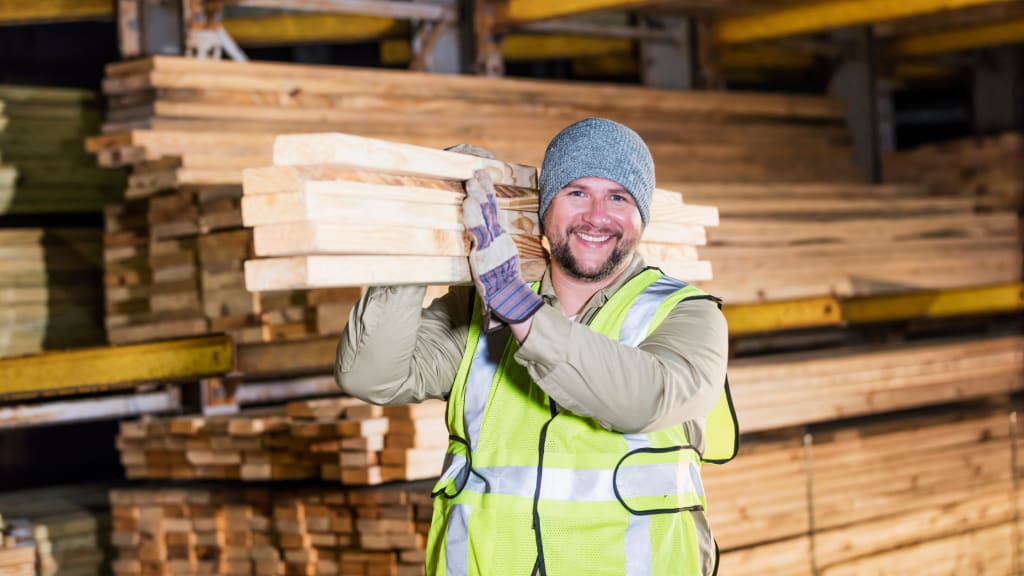
Durability is an essential consideration for outdoor projects. Whether you build a deck, a fence, or make a garden bed, landscape walls, framing, or porches, the choice usually falls on pressure-treated lumber because of its durability against moisture, insects, and decay.
So, how long does pressure-treated wood last? Pressure-treated wood is built to last much longer than untreated wood. It is expected to last 20 to 40 years on average, depending on the type of treatment and exposure conditions.
Let's discuss the lifespan of pressure-treated wood, factors affecting the durability of the wood itself, and how to get the best protection against the harsh outdoor environment for your investment.
How to Make Pressure-Treated Wood Last Longer
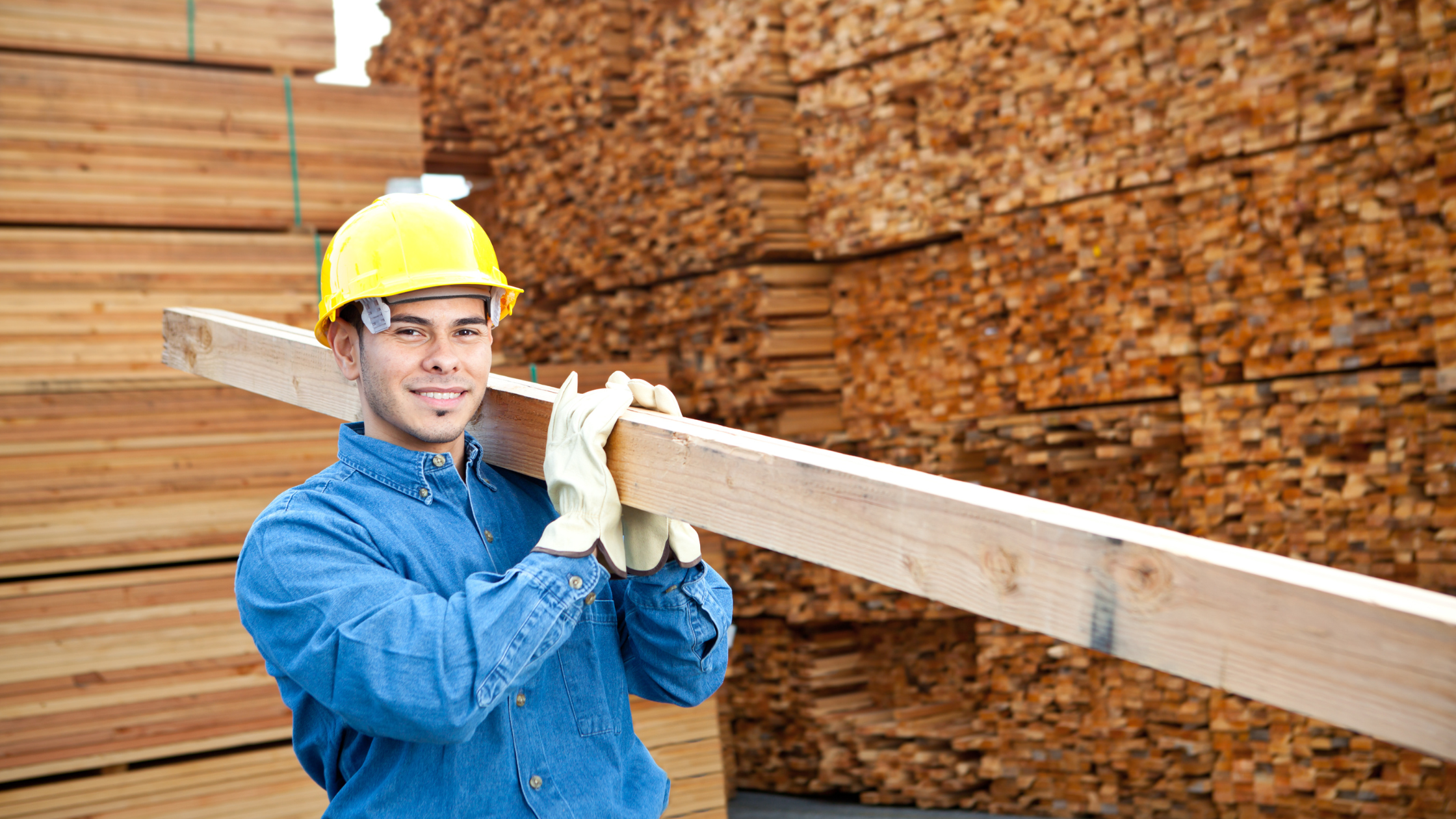
Pressure-treated wood is resistant to decay and insect attack; it is a great material for outdoor projects. Many things determine how long pressure-treated wood lasts. However, the most important thing to know is how to maximize durability.
Several key factors, from treatment quality to installation to maintenance, are inextricable for extending pressure-treated wood life. You can protect your investment and extend the period by doing more research on these crucial elements. You can also get lumber takeoffs from professional estimators to know the exact quantities of pressure-treated wood required to complete the project successfully.
Proper care of pressure-treated wood extends its life considerably. You might want to think about the following:
Wood Grade
Not all treated wood is created equal. Denser, higher concentration quality woods are best suited for outside long-term house projects, while lower grades would last less long.
Treatment Levels
Preservation agents can be placed through pressure treatment to prevent decay and disfiguring insects in pressure-treated wood. The level of treatment varies as follows:
Above-Ground Treated: Suitable for structures that will not have any soil contact.
Ground-Contact Treated: Treated with moisture/soil to withstand above-ground water and, hence, suitable for use on posts or retaining walls.
Proper Installation
It is also possible to reduce the penetration of moisture, and thus the potential for decay, by raising the wooden structures off the ground and properly fastening them.
Seal and Stain
Under moisture and UV deterioration, wood can look as new as possible by applying high-end, long-lasting sealers or stains. Others may be specialized just for pressure-treated wood.
Raise Above the Ground
Keep it off the ground or moisture where possible. Concrete or metal anchors can be used to raise posts and beams. This, thereby, reduces moisture and tends to extend the time span of the treated wood.
Lumber Grading
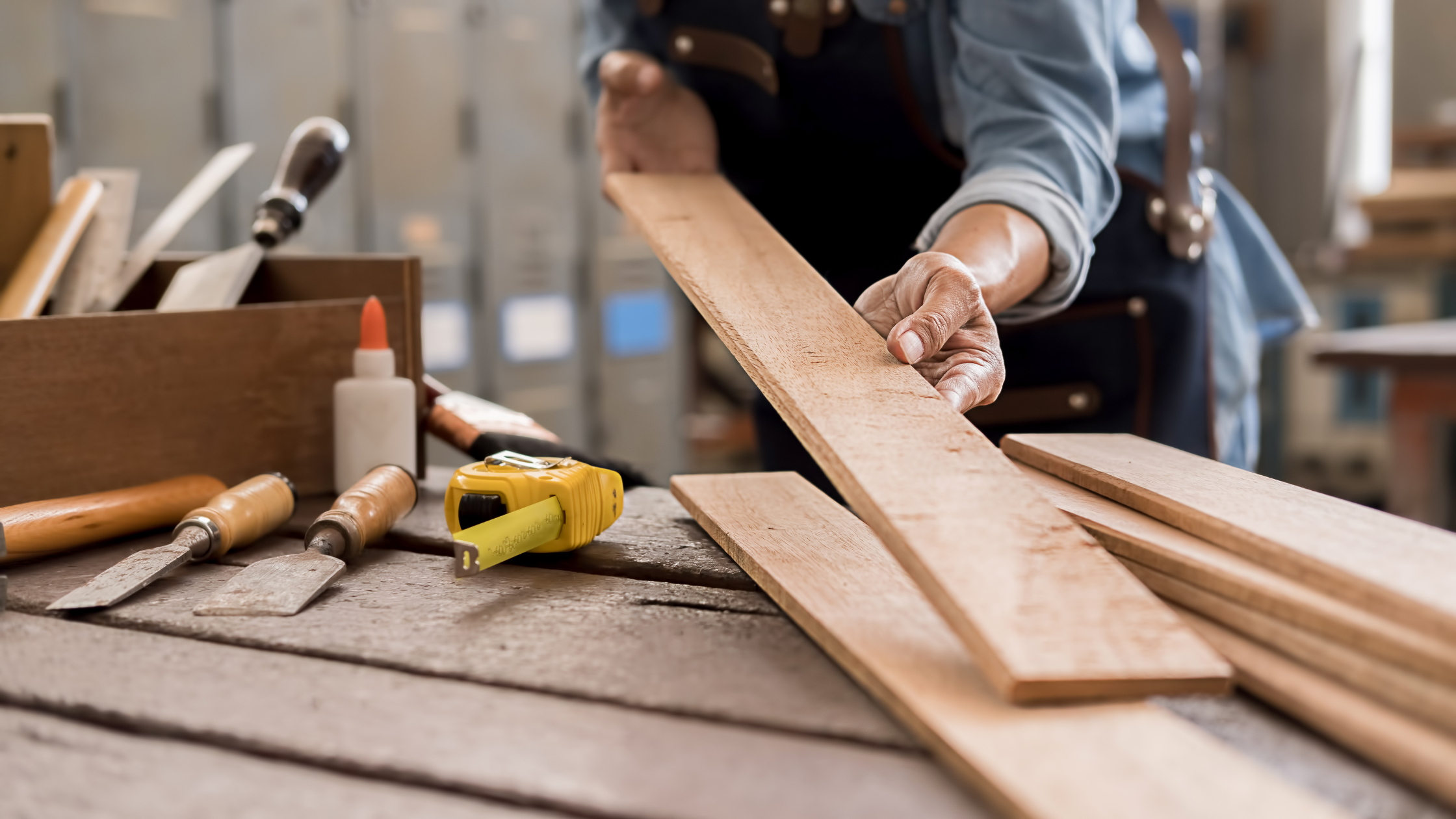
Lumber grading is the process of classifying wood by its quality and features so that it can be applied to particular uses. Such factors include strength, knots, and appearance, which are also considered in grading.
If the wood is for an application that is visible, then higher grades are preferred because they are more aesthetically pleasing, whereas lower grades can be useful for structural parts that are concealed. This system makes it easier for users to select the appropriate wood for their projects and combine practical usefulness with beauty.
Don't Skip Corners
Post-cutting pressure-treated wood immediately after cutting has to be resealed and preserved with suitable wood preservatives to protect it from moisture and pests.
Maintainance
A gentle brush and mild detergent wash are needed to remove all debris, mold, and algae. Look for early signs of rot, splits, or insect action and resolve them swiftly.
Sealant Application
In order to maintain the durability of the wood, a water-repellent sealant must be applied from time to time to prevent water and UV light from damaging the surface.
Moisture Control
Drying out the wood is critical. If not managed, a satisfactory level of drainage and ventilation is required to avoid mold and rot.
Environmental Impact
Florida's humidity will influence wood longevity, the Pacific Northwest's rain, or the desert's scorching heat. A moist environment may necessitate frequent maintenance to control rotting, while ultraviolet exposure from the sun may leave the wood dried and cracked in arid regions.
Pressure Treated Wood: Types and its Uses
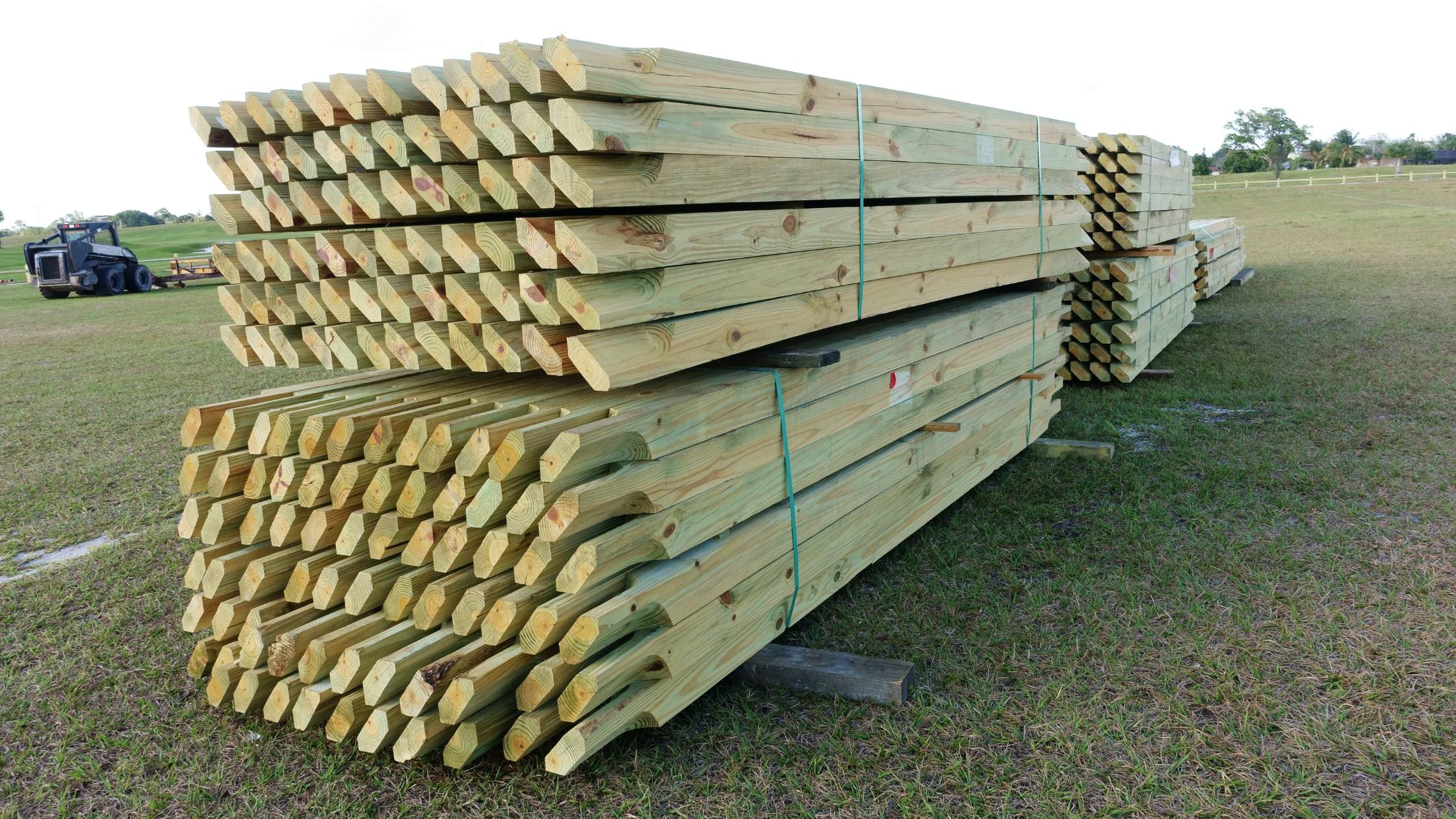
The prime purpose of the construction is to provide resistance and durability. For that purpose, lumber is used, which employs multiple advantages. Two types of pressure-treated wood have unique purposes:
Above-ground pressure-treated wood
Ground contact pressure-treated wood
Above-ground pressure-treated wood
As the name suggests, the wood is treated in a way that offers the versatile purpose of resisting fungal decay rot and dealing with termite attacks.
The structure is incorporated, so it is not directly connected to the ground. The configurations are made with up to 8 to 16 feet. Some of the uses for above-ground pressure wood are listed down below:
Play sets, sheds, patios, walkways, decks, fences, and picnic tables.
Resistance and Durability
Above-ground pressure-treated lumber was made for a tough life; during its treatment process, deep-in-the-wood preservative chemicals infuse under great pressure into the material's body so that they will rise above its surface and seal the inner core of the wood from decay, insects, and weather.
Once it dries thoroughly, you can completely unload it to provide that durable solution for your projects and use it under conditions where most wood timbers wouldn't survive.
How Above-ground Pressure-Treated Wood Is Made
Perhaps you have given thought in recent times as to why this type of wood is so resistant. Well, there are two potent preservative chemicals, i.e., copper azole and alkaline copper quaternary (ACQ).
The copper, through these two treatments, acts as a natural defence against fungi and insects that might otherwise wreak havoc. In addition to meeting AWPA standards, these treatments are highly effective and adhere to building codes such as IRC and IBC.
Aesthetic Change on the Treated Wood
After treatment, the wood surface has a greenish-brown or brownish-tan coloration that indicates its increased levels of strength. As it drys, the surface coloration reverts to a natural wood-like tone that beautifully incorporates itself within your outdoor spaces.
The subsequent exposure to sunlight may even further lighten it, giving it a weathered yet charming appearance. For all those who want to preserve the lovely brilliance, applying a UV protection finish is a wise step to take. This quick step guarantees that the beauty of the wood will last just as long as its durability.
Ground-contact Pressure-treated Wood
Ground-contact pressure-treated wood has undergone specific treatments to make sure that it does not develop decay, rot, or insect damage during contact with soil or moisture.
It can, therefore, be used in outdoor projects, including decks, fences, and landscaping. It's very durable and lasts long. This wood, which is made to withstand extreme environments, would provide structural integrity even in exposed regions where conditions would not change for a long time. Its service life may also be increased by careful examination and maintenance.
How is it Manufactured?
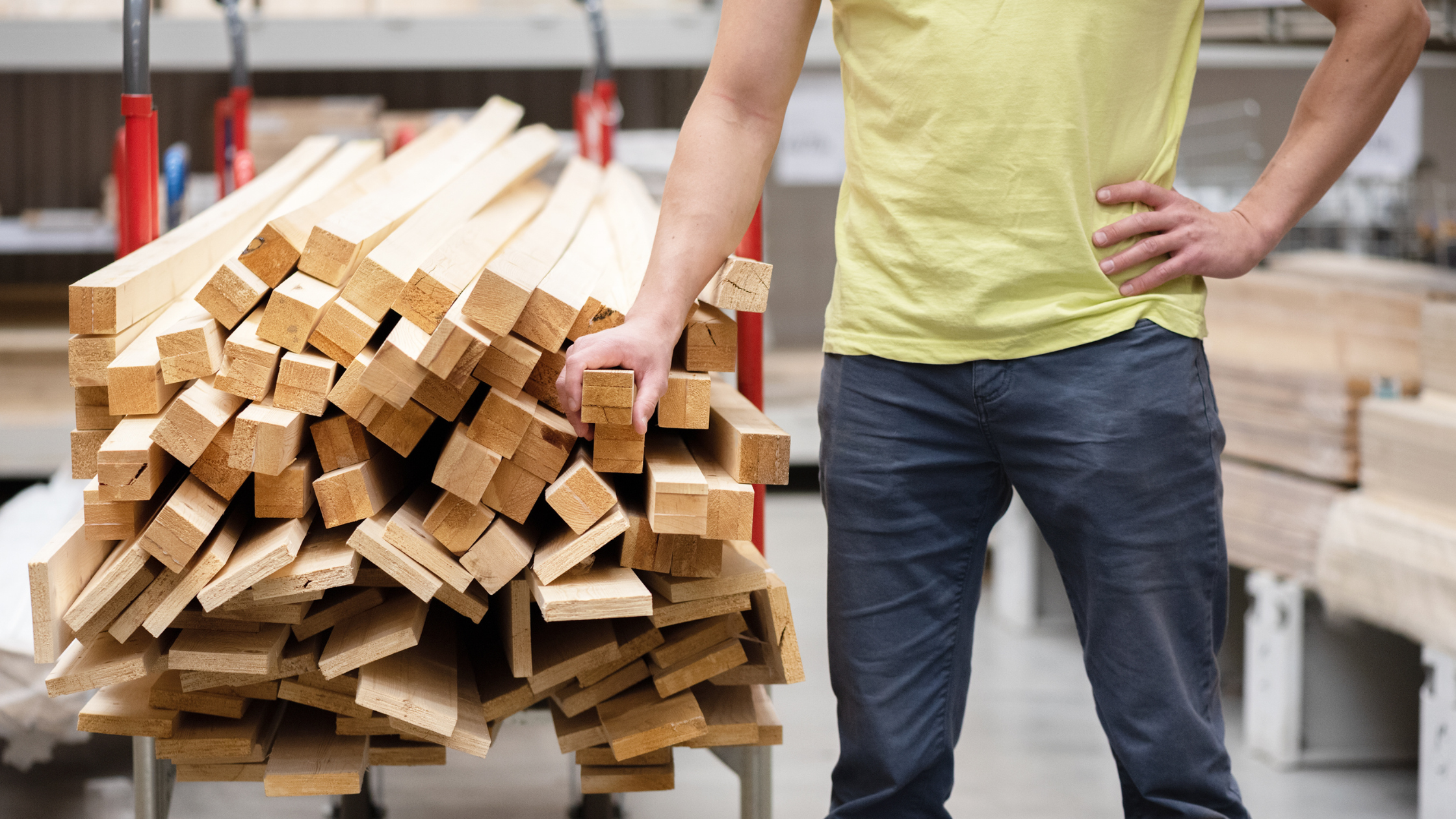
Ground-contact pressure-treated wood is wood to which preservatives are impregnated deep into the softwood using a high-pressure method. The wood is placed in a sealed chamber while a vacuum removes the air; identifiable preservatives like copper-based compounds are then forced into the fibers of the wood under pressure. This kind of treatment protects the wood from rotting, decay, and pest infestation while making it durable for outdoor and earth-contact applications.
Appearance After the Treatment
After the treatment, usually, wood subjected to pressure under the ground would look brownish. It also feels damp to the touch sometimes, which can be troubling or unusual. The grain remains visible, and over time, the color fades to gray, but it can also be stained or painted for a customized look.
Pressure-treated Wood or Its Alternatives
So, how do you weigh that pressure-treated wood against materials for your project? Here's a quick comparison:
Cedar or Redwood: Naturally rot-resistant but more expensive and much less durable with time than treated woods.
Pressure-Treated Timber: Cheap, durable, and multi-applicable for most outdoor applications.
Composite lumber: Longer life span but much greater initial cost.
Pressure-treated wood is, in most cases, affordable and cost-effective. But it's really balanced, giving most homeowners what they wish for: durability and affordability.
Benefits of Pressure-Treated Wood
This enhanced durability is free from rots, decay, and insect damage, which allows it to be best for outdoor purposes.
This is cheap compared with naturally rot-resistant woods like cedar and redwood. It can last 20-40 years if well cared for and maintained.
It can be ideal for decks, fences, garden beds, retaining walls, and so forth. Moisture is treated to overcome dampness, thus limiting warping and splitting.
Termites infused with dead wood preservatives that would repel insect damage.
Customizable to be painted, stained, or sealed based on individual design preferences.
Easily available across all varieties and grades for different projects.
Precautions for Pressure-Treated Wood
Always Wear Protectives: Wear gloves, safety glasses, and a mask while cutting or working on pressure-treated wood to avoid skin irritation and inhalation of particles.
Limit Skin Exposure: Avoid contact with wood, as it may be dangerous because of its chemicals, especially when cutting or sanding.
Correct Disposal: Dispose as the local regulations dictate because pressure-treated wood should not be put in the incinerator nor used as much but disposed of it as hazardous waste.
Store Safe: Store pressure-treated lumber dry under cover to avoid moisture absorption and the possibility of chemicals leaching.
Use Proper Equipment: Apply the right outdoor power tool and proper blade fitment as those developed for gantry use by the treated wood to minimize splintering.
Work in Airy Area: When you are working indoors or in tight spaces, both could bear good air circulation to make sure you will not inhale any harmful fumes from the sawing or sanding procedures.
Keep Children and Pets Out: Keep children or pets away from dangerous areas when working with pressure-treated wood.
These arrangements would guarantee that you would safely enjoy all the benefits associated with using pressure-treated wood in your projects.
FAQ: Pressure-Treated Wood
1. Is Pressure-Treated Wood Termite-Resistant?
Pressure-treated woods are treated with preservatives to make them resistant to attack by termites and other wood-boring insects.
It is simulated in such a way that every piece of wood is termite resistant; hence, pressure-treated wood is almost always used in exterior decoration and construction purposes. How it works does help in making the right decision for the house project.
2. How Often Should You Stain or Seal Pressure-Treated Wood?
Staining or sealing pressure-treated wood every 1 to 2 years would prevent moisture, UV damage, and wear to an extent. Actual timing depends on the exposure to the environment and on the quality of the previous application. Maintenance will ensure the longevity and beauty of the wood.
3. Is Pressure-Treated Wood Safe Inside Gardens?
Yes, pressure-treated wood is safe. In fact, using modern preservatives like ACQ (Alkaline Copper Quaternary) or CA (Copper Azole) imparts freedom from harmful chemicals like arsenic, thus making them safe for raised garden beds and other applications close to plants.
It is Built to Last Longer
When properly maintained, pressure-treated wood lasts for decades, making it a wise investment for outdoor projects. If you choose the right grade, are aware of the environmental effects, and are dedicated to yearly maintenance, your structure will be sturdy for many years to come.
Are you prepared to begin your project? Get in touch with local suppliers and trade experts right now to find out what pressure-treated wood options are best for your needs. With a little work on your part, you can enjoy a strong, longer-than-average structure that enhances your outdoor space.
About the Creator
Enjoyed the story? Support the Creator.
Subscribe for free to receive all their stories in your feed.
Comments