
How Liver Function Tests Work
Liver function tests measure the levels of specific enzymes, proteins, and waste products in the blood.

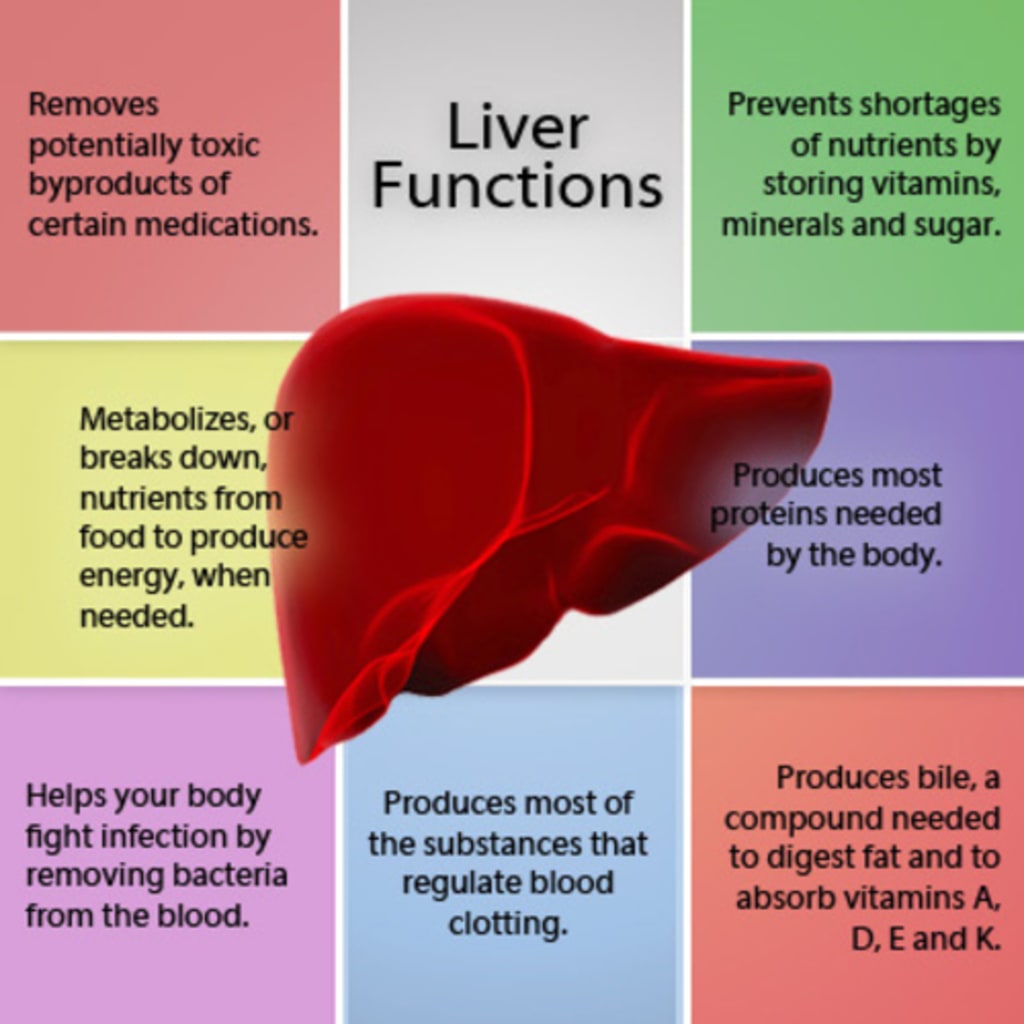
Liver function tests are a cornerstone in diagnosing and monitoring liver health. These blood tests, often referred to as LFTs or hepatic panels, provide vital information about the state of your liver by measuring enzymes, proteins, and other substances produced or processed by this essential organ. Understanding how liver function tests work, what they measure, and the common symptoms of liver issues can empower individuals to seek timely medical attention and maintain optimal liver health.
What Are Liver Function Tests?
Liver function tests are a group of blood tests designed to assess various aspects of liver health and function. Despite the name, not all these tests directly measure how well the liver is functioning; some are more indicative of liver injury or disease rather than its actual performance. The tests are typically performed on a blood sample and are commonly ordered when liver disease is suspected, to monitor ongoing liver conditions, or to check for potential side effects of medications.
Why Are Liver Function Tests Ordered?
Doctors may recommend liver function tests for several reasons, including:
- Screening for liver infections such as hepatitis
- Monitoring the progression or treatment of liver diseases (e.g., viral or alcoholic hepatitis)
- Assessing the severity of liver damage or scarring (cirrhosis)
- Checking for side effects of medications that may harm the liver
- Investigating unexplained symptoms that could be related to liver dysfunction
How Liver Function Tests Work
Liver function tests measure the levels of specific enzymes, proteins, and waste products in the blood. Abnormal levels—either higher or lower than the normal range—can signal liver problems. The pattern and degree of these abnormalities, combined with a patient’s symptoms and history, help doctors pinpoint the underlying cause of liver issues.
Key Components Measured
Here are some of the most common liver function tests and what they indicate:
- Alanine Transaminase (ALT): An enzyme found mainly in the liver. Elevated levels often indicate liver cell injury or inflammation.
- Aspartate Transaminase (AST): Present in the liver, heart, and other tissues. High AST can suggest liver or muscle damage, but is less specific for liver disease than ALT.
- Alkaline Phosphatase (ALP): Found in the liver and bones. High ALP may indicate bile duct problems or bone disorders.
- Albumin: The main protein produced by the liver. Low albumin levels may suggest chronic liver disease or impaired synthetic function.
- Bilirubin: A waste product processed by the liver. Elevated bilirubin causes jaundice and can indicate liver or bile duct problems.
- Gamma-Glutamyl Transferase (GGT): An enzyme that can indicate bile duct issues or alcohol-related liver disease.
- Prothrombin Time (PT/INR): Assesses blood clotting, which can be impaired in advanced liver disease.
The Testing Process
Liver function tests are simple blood draws, usually requiring little preparation. Sometimes, fasting or avoiding certain medications may be necessary before the test. The results are interpreted in the context of symptoms, medical history, and other diagnostic findings. Abnormal results typically prompt further investigation, as mild elevations can occur for various reasons and do not always indicate serious liver disease.
Common Symptoms of Liver Issues
Recognizing the common symptoms of liver issues is crucial, as early liver disease often presents with subtle or non-specific signs. Many people with early liver problems may feel generally unwell or have vague symptoms that can be easily overlooked. As liver disease progresses, more specific symptoms may develop.
- Early Symptoms
- Persistent fatigue or weakness
- Nausea or vomiting
- Loss of appetite
- Mild abdominal discomfort, especially under the right ribcage
- Itchy skin
- Dark urine or pale stools
- Spider-like blood vessels on the skin (spider angiomas)
- Advanced Symptoms
- Jaundice (yellowing of the skin and eyes)
- Swelling in the legs or abdomen (ascites)
- Easy bruising or bleeding
- Confusion, memory problems, or difficulty staying awake (hepatic encephalopathy)
- Severe itching
- Enlarged liver or spleen
“Many people with the early stages of liver disease do not have any symptoms. If there are early symptoms, they are usually things that could also be caused by something else. So if you are worried about your liver, even if you feel well, talk to your doctor.”
Interpreting Liver Function Test Results
Abnormal liver function test results do not automatically mean you have liver disease. Results must be interpreted in context, and further tests are often needed to confirm a diagnosis or determine the underlying cause. For example, viral hepatitis panels, imaging studies, or a liver biopsy may be required for a definitive diagnosis.
Conclusion
Liver function tests are essential tools for detecting, evaluating, and monitoring liver health. They provide critical insights by measuring enzymes, proteins, and waste products in the blood. Understanding the common symptoms of liver issues and the role of these tests can help individuals seek timely medical care and prevent serious complications. If you experience persistent fatigue, jaundice, or other symptoms associated with liver problems, consult your healthcare provider and discuss whether liver function tests are appropriate for you.
Source: https://innovareacademics.in/blog/what-are-liver-function-tests/
About the Creator
Enjoyed the story? Support the Creator.
Subscribe for free to receive all their stories in your feed.
Comments
There are no comments for this story
Be the first to respond and start the conversation.