
How Has AI Transformed Digital Marketing Strategies?
AI-Transformed Digital Marketing Strategies

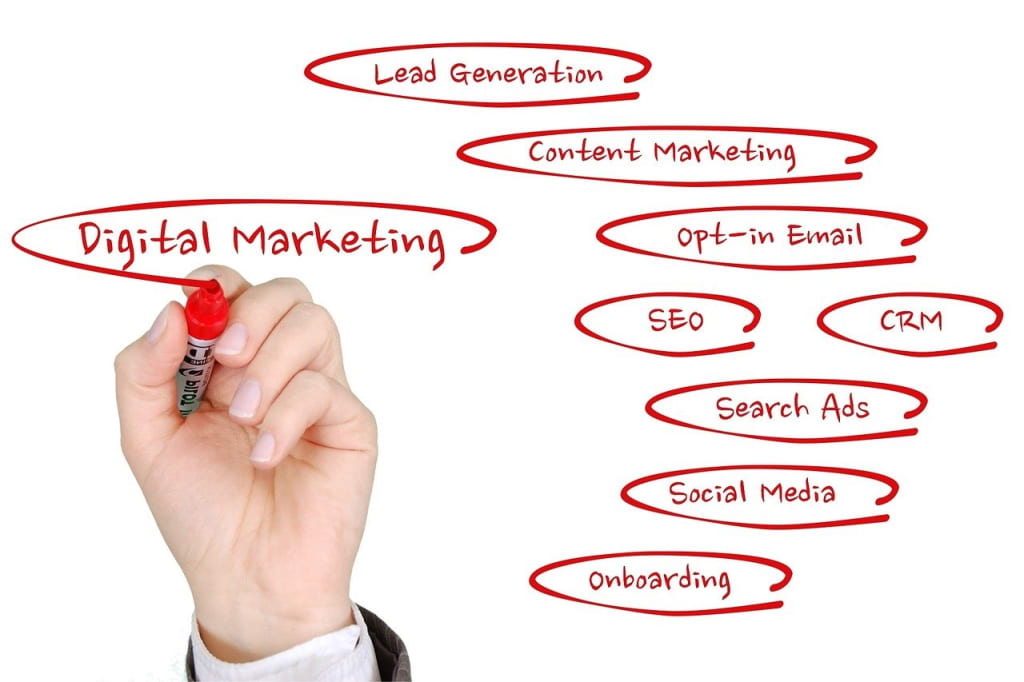
Artificial Intelligence (AI) has rapidly become a cornerstone in various industries, revolutionizing how companies operate and engage with their audiences. One area where AI’s impact has been profound is digital marketing. It has transformed how marketers approach their strategies, delivering more personalized, efficient, and data-driven campaigns. In this article, we will explore how AI has reshaped digital marketing strategies and why its integration is crucial for businesses looking to stay competitive.
1. Personalized Customer Experiences
One of the most significant ways AI has transformed digital marketing is through the personalization of customer experiences. In today’s competitive market, consumers expect personalized communication and content. AI enables marketers to analyze vast amounts of data on customer behavior, preferences, and buying patterns, allowing them to deliver highly tailored messages.
For example, AI-driven algorithms can analyze users’ browsing history, search queries, and social media activity to provide personalized product recommendations. This level of customization not only enhances user engagement but also improves conversion rates. Marketers are no longer relying on generic campaigns; instead, they can offer a unique experience to each customer.
Moreover, AI-powered chatbots have become a popular tool for enhancing customer interaction. These chatbots can provide instant responses to customer inquiries, recommend products, and assist in solving problems. The beauty of AI chatbots is their ability to learn and adapt, making future interactions even more personalized.
2. Enhanced Data Analytics and Insights
AI has also drastically improved the way marketers analyze data and derive insights. Traditionally, data analysis was a time-consuming process that required human expertise to sift through large datasets. AI, however, has revolutionized this aspect by automating data collection and interpretation, providing real-time insights that are accurate and actionable.
Through machine learning algorithms, AI can process complex data sets, recognize patterns, and predict future trends. For instance, AI tools can analyze customer journeys across various channels—such as websites, social media, and email—and identify the most effective touchpoints. This helps marketers refine their strategies and allocate resources more efficiently.
The ability to predict trends and customer behavior is a game-changer for marketers. AI tools can forecast market demand, anticipate customer needs, and optimize product offerings accordingly. This predictive capability allows companies to stay ahead of the competition and meet consumer expectations on time.
For businesses interested in honing their AI-driven marketing strategies, resources like the Digital Marketing Institute in Gurgaon, Faridabad, Mohali, and other cities in India offer specialized courses to help professionals master these advanced technologies.
3. AI in Content Creation and Curation
Content remains the backbone of any successful digital marketing strategy. AI has significantly altered the landscape of content creation and curation by automating processes that were once manual and time-intensive.
AI-powered tools can generate content, such as blog posts, social media updates, and even email copy, in a fraction of the time it would take a human writer. Tools like GPT (Generative Pretrained Transformer) can produce articles that are coherent and contextually relevant based on the input provided. While AI cannot entirely replace human creativity, it can assist in scaling content production and ensuring consistency.
Beyond content creation, AI has also improved content curation. AI algorithms can analyze user preferences and recommend content that is more likely to resonate with them. For example, platforms like Netflix and YouTube use AI to suggest shows and videos tailored to individual user tastes, keeping audiences engaged for longer periods.
In digital marketing, the ability to curate content based on audience preferences can greatly enhance user engagement. Brands can provide users with the right content at the right time, increasing the chances of conversion.
4. AI-Powered Advertising
AI has revolutionized the world of advertising by enabling hyper-targeted campaigns that drive better results. In the past, marketers would launch ads and hope they reached the right audience. With AI, digital advertising has become far more efficient and effective.
AI can analyze user data to identify specific segments of the audience most likely to engage with a particular ad. Platforms like Google Ads and Facebook Ads have integrated AI to automatically optimize campaigns based on performance data. For instance, AI can adjust bids, select keywords, and even change ad placements to maximize ROI in real time.
Moreover, AI is at the forefront of programmatic advertising, which uses algorithms to buy ad space in real time based on user data. This process ensures that ads are placed in front of the right audience at the right time, increasing the likelihood of conversions. As AI continues to evolve, programmatic advertising will become even more sophisticated, driving higher returns on marketing investments.
5. Improved SEO and Search Optimization
Search engine optimization (SEO) is another area where AI has made significant inroads. Traditionally, SEO was focused on optimizing websites and content based on keywords and backlinks. While these factors remain important, AI has added a new dimension to SEO through voice search, image search, and user intent analysis.
AI-powered algorithms, such as Google’s RankBrain, have changed the way search engines interpret user queries. These algorithms focus on understanding the context and intent behind a search query rather than just matching keywords. As a result, AI helps marketers optimize their content for more conversational queries, especially as voice search becomes more prevalent.
Voice search, powered by AI assistants like Siri, Alexa, and Google Assistant, is growing in popularity. Marketers now need to optimize their content to cater to voice search queries, which tend to be longer and more conversational than text-based searches. This requires a shift in SEO strategy, focusing on natural language processing (NLP) and AI-driven tools to identify the best-performing keywords for voice search.
6. AI in Email Marketing
Email marketing is another domain where AI has made a remarkable impact. AI tools can analyze customer data to send personalized emails at the optimal time for each recipient. Gone are the days of sending bulk emails simultaneously to an entire mailing list. With AI, marketers can automate and personalize email content based on customer behavior, past interactions, and predicted future actions.
AI can also test different subject lines, email content, and CTAs (calls to action) through A/B testing, helping marketers determine what resonates best with their audience. Over time, AI algorithms learn from these tests, optimizing future email campaigns to achieve higher open and click-through rates.
Conclusion
Artificial Intelligence has undoubtedly transformed digital marketing strategies, making them more data-driven, personalized, and efficient. From enhancing customer experiences to optimizing advertising and content creation, AI is reshaping how businesses engage with their audiences.
As AI continues to evolve, its role in digital marketing will only grow, helping companies stay ahead of the curve in a competitive marketplace.
Marketers looking to leverage AI in their campaigns should consider upskilling through resources like the Digital Marketing Training Institute, where they can gain a deeper understanding of how AI can be effectively integrated into their digital marketing strategies.
About the Creator
Imran Ali
I'm a digital marketer and content marketing specialist.
Website: Digital Marketing Course in Mohali
Here is some Profile pages you may want to see:
https://www.inkitt.com/imranali1290
Enjoyed the story? Support the Creator.
Subscribe for free to receive all their stories in your feed.
Comments