
How Does Water Cooling Work? An In-Depth Look at the Process
water cooling how does it work

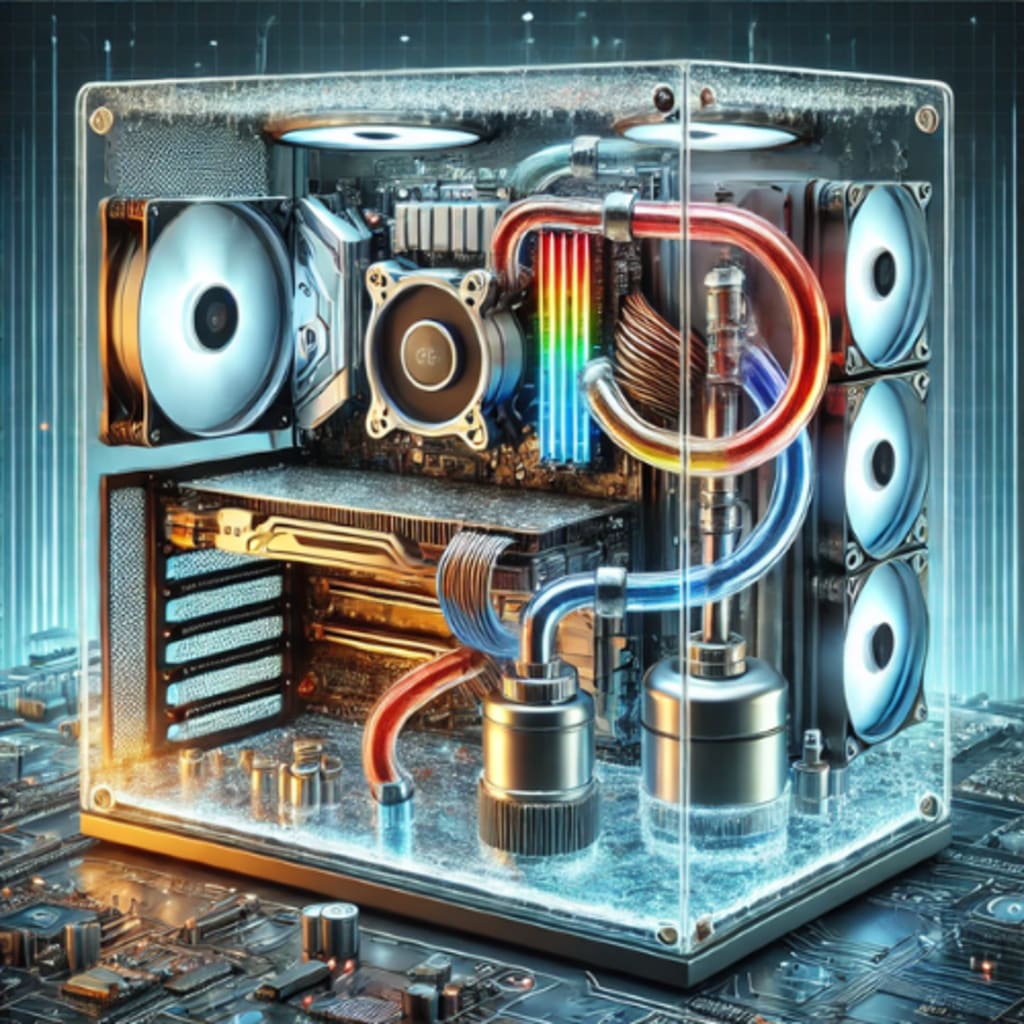
As electronic devices and high-performance systems generate increasing amounts of heat, efficient cooling solutions are more important than ever. One highly effective method is water cooling. But when it comes to water cooling how does it work? This guide takes an in-depth look at the process and the components that make it all happen.
The Basics of Water Cooling
Water cooling, also known as liquid cooling, is a system that uses liquid to transfer heat away from components like CPUs, GPUs, or other high-heat devices. Unlike air cooling, which relies on fans and heat sinks, water cooling leverages the superior thermal conductivity of water to achieve more efficient heat dissipation.
Key Components of a Water Cooling System
To understand water cooling, how does it work becomes clear when you examine its main components:
- Water Block: This is the part that directly attaches to the heat-generating component. Made of materials like copper or aluminum, the water block absorbs heat and transfers it to the liquid passing through it.
- Pump: The pump circulates the coolant throughout the system, ensuring consistent heat transfer.
- Radiator: The radiator dissipates the heat carried by the liquid. Fans attached to the radiator help cool the liquid before it cycles back through the system.
- Reservoir: The reservoir stores excess coolant and allows for air bubbles to escape, maintaining a steady flow within the system.
- Coolant: The liquid used in the system, often a mix of water and additives to prevent corrosion and improve performance.
How Does Water Cooling Work Step-by-Step?
- Heat Absorption: The water block absorbs heat from the component it’s attached to. For example, on a CPU, the water block makes direct contact with the processor to collect heat efficiently.
- Heat Transfer: The pump pushes the heated liquid away from the water block and through the tubes to the radiator.
- Heat Dissipation: As the heated liquid passes through the radiator, fans blow air across the radiator’s fins, dissipating the heat into the surrounding environment.
- Cooling and Recirculation: The now-cooled liquid flows back into the reservoir and is recirculated by the pump, repeating the cycle.
Advantages of Water Cooling
- Superior Heat Dissipation: Water cooling is significantly more effective than air cooling at transferring heat, making it ideal for high-performance setups.
- Quieter Operation: Fans in air cooling systems can be noisy, whereas water cooling systems generally run quieter due to the efficiency of the process.
- Better Overclocking Potential: For enthusiasts, water cooling allows for greater overclocking capabilities by keeping temperatures low.
Applications of Water Cooling
Water cooling isn’t just for computers. It’s widely used in:
- High-Performance PCs: Especially for gaming or workstation setups.
- Data Centers: Where server efficiency and heat management are critical.
- Industrial Equipment: Such as lasers or medical imaging devices that generate substantial heat.
Conclusion
When it comes to water cooling, how does it work is a question best answered by understanding the system’s components and process. By utilizing water’s excellent thermal conductivity, water cooling provides a reliable and efficient solution for managing heat in high-performance systems. Whether you’re building a gaming rig, running a data center, or looking to enhance your industrial equipment, water cooling is a method worth considering.
About the Creator
Enjoyed the story? Support the Creator.
Subscribe for free to receive all their stories in your feed.
Comments
There are no comments for this story
Be the first to respond and start the conversation.