
How does United States economy work ?
Will China become stronger ?
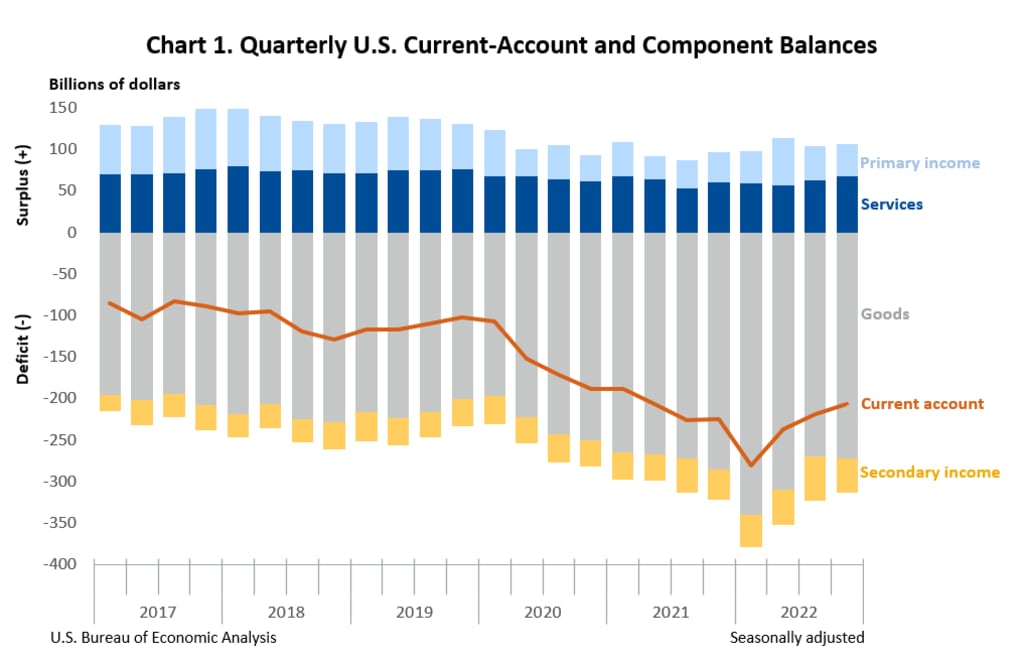
The United States economy is a complex system that operates on several key principles. Here are some of the fundamental aspects that help explain how the U.S. economy works:
1. Market Economy: The U.S. economy is primarily a market-based economy, where most economic decisions are made by individuals and businesses rather than the government. The interplay of supply and demand determines prices and resource allocation.
2. Capitalism and Private Ownership: The U.S. embraces a capitalist system, where private individuals and businesses own and control most of the means of production and distribution of goods and services. This allows for competition and incentivizes innovation and efficiency.
3. Mixed Economy: While the U.S. is predominantly a market economy, it also has elements of government intervention and regulation. The government provides certain public goods and services, enforces laws, and regulates various sectors to ensure fair competition, consumer protection, and societal well-being.
4. GDP and Economic Indicators: Gross Domestic Product (GDP) is a crucial indicator of the U.S. economy's overall health. It represents the total value of all goods and services produced within the country in a given period. Other important economic indicators include employment rates, inflation, consumer spending, and business investment.
5. Financial Markets: The U.S. has a highly developed financial system, including stock markets, bond markets, and banking institutions. Financial markets facilitate the allocation of capital, allowing individuals and businesses to invest, borrow, and manage risks.
6. Fiscal and Monetary Policies: The U.S. government utilizes fiscal and monetary policies to influence the economy. Fiscal policy refers to decisions regarding government spending and taxation, while monetary policy is managed by the Federal Reserve (the central bank) through interest rate adjustments, controlling money supply, and regulating banks.
7. International Trade: The United States is a major player in global trade. It engages in imports and exports of goods and services with other countries, and international trade significantly impacts the U.S. economy. The U.S. has various trade agreements and organizations, such as the World Trade Organization (WTO), to govern trade relations.
8. Small Businesses and Corporations: The U.S. economy comprises a mix of small businesses, which are the backbone of local economies, and large corporations that operate on a national and international scale. Small businesses contribute to job creation, while large corporations often have significant influence on economic growth and investment.
It's important to note that the U.S. economy is complex, with many factors influencing its performance. Economic policies, global events, technological advancements, social factors, and natural resources all play a role in shaping the United States' economic landscape.
The United States economy is a mixed-market economy, characterized by a combination of private enterprise and government intervention. It operates on the principles of capitalism, where individuals and businesses have the freedom to engage in economic activities, such as producing and selling goods and services, and making financial transactions.
Here are some key features and components of the U.S. economy:
1. Market-Based System: The U.S. economy relies heavily on market forces of supply and demand to determine prices, production levels, and allocation of resources. This means that businesses and consumers interact in markets to buy and sell goods and services, and prices are generally set by the forces of supply and demand.
2. Private Ownership: The majority of businesses in the United States are privately owned and operated. Entrepreneurs and investors have the freedom to establish and run their own businesses, create jobs, and generate profits.
3. Government Regulation: While the U.S. economy is primarily market-driven, the government plays a significant role in regulating various sectors and ensuring fair competition. Government regulations cover areas such as labor, environment, consumer protection, finance, and trade.
4. Monetary Policy: The U.S. Federal Reserve (the central bank) is responsible for managing monetary policy. It controls the money supply, sets interest rates, and supervises banks to maintain price stability, maximize employment, and promote economic growth.
5. Fiscal Policy: The government uses fiscal policy, primarily through taxation and spending, to influence the overall economy. This includes decisions on government spending, taxation levels, and borrowing to stabilize the economy, address public needs, and promote economic growth.
6. Market Interventions: In certain circumstances, the government may intervene in the market to correct market failures, promote fairness, or provide public goods and services. This can include areas such as infrastructure development, education, healthcare, and social welfare programs.
7. Global Trade: The United States is a major player in international trade. It engages in imports and exports of goods and services with other countries, promoting economic growth and providing consumers with a wide variety of products. The U.S. government establishes trade policies and negotiates trade agreements to facilitate international commerce.
8. Employment and Labor: The U.S. labor market is characterized by a high degree of flexibility and mobility. Workers have the freedom to choose their occupations, and employers have the flexibility to hire and fire employees. Labor laws regulate aspects such as minimum wage, working conditions, and collective bargaining rights.
9. Financial System: The U.S. has a sophisticated financial system, with a network of banks, credit institutions, stock markets, and other financial intermediaries. This system facilitates the flow of capital, enables investment, and provides access to credit for businesses and individuals.
10. Innovation and Entrepreneurship: The United States has a strong culture of innovation and entrepreneurship. It fosters research and development, encourages technological advancements, and supports the creation of new businesses and industries.
It's important to note that this is a simplified overview, and the U.S. economy is complex and constantly evolving. Economic conditions, policies, and regulations can vary over time and can be influenced by various factors, including political decisions, global events, and technological advancements.
Will China become stronger ?
Predicting the future balance of power between countries is a challenging task, as it depends on various factors that can change over time. China has experienced rapid economic growth over the past few decades and has become the world's second-largest economy. Its influence on the global stage has also increased significantly. On the other hand, the United States has long been a dominant economic and military power.
Whether China will become stronger than the United States is a matter of speculation and depends on several key factors:
1. Economic Growth: China's sustained economic growth has positioned it as a major global player. If it continues to grow at a significant rate and surpasses the U.S. economy in size, it could gain more economic influence. However, it's worth noting that economic growth alone does not guarantee overall power, as other factors like productivity, innovation, and distribution of wealth also play a role.
2. Technological Advancements: Technological advancements are crucial for maintaining and enhancing a country's competitive edge. Both China and the United States invest heavily in research and development, innovation, and emerging technologies. The country that leads in areas like artificial intelligence, biotechnology, renewable energy, and advanced manufacturing could have a significant advantage in the future.
3. Military Strength: The United States currently has the world's most powerful military, with significant military capabilities and global reach. While China has been modernizing and expanding its military, it still lags behind the U.S. in terms of overall military strength and technological capabilities. Military power is an essential aspect of global influence, but it's just one component of overall power.
4. Political Stability and Institutions: Political stability, governance systems, and institutions also contribute to a country's power. The United States has a long-standing democratic system with established institutions, while China operates under a single-party communist regime. The stability and adaptability of political systems can influence a country's ability to effectively respond to challenges and maintain long-term strength.
5. Global Influence: Soft power, diplomacy, and influence in international institutions also play a role in determining a country's strength. The United States has traditionally exerted significant influence through its alliances, cultural exports, and diplomatic efforts. China has been increasing its global influence through initiatives like the Belt and Road Initiative and expanding its presence in international organizations.
It is difficult to determine with certainty whether China will become stronger than the United States. Both countries have unique strengths and face their own challenges. Geopolitical dynamics can shift, and unforeseen events can have significant impacts. The future balance of power will likely depend on how these factors develop and interact in the coming years.
Written by : Михајло Ђорић
About the Creator
Михајло Ђорић
Hello my name is Mihajlo and i am making articles of mixed content .
Enjoyed the story? Support the Creator.
Subscribe for free to receive all their stories in your feed.
Comments
There are no comments for this story
Be the first to respond and start the conversation.