
How Does an Electrical System Work?
Electrical System Working

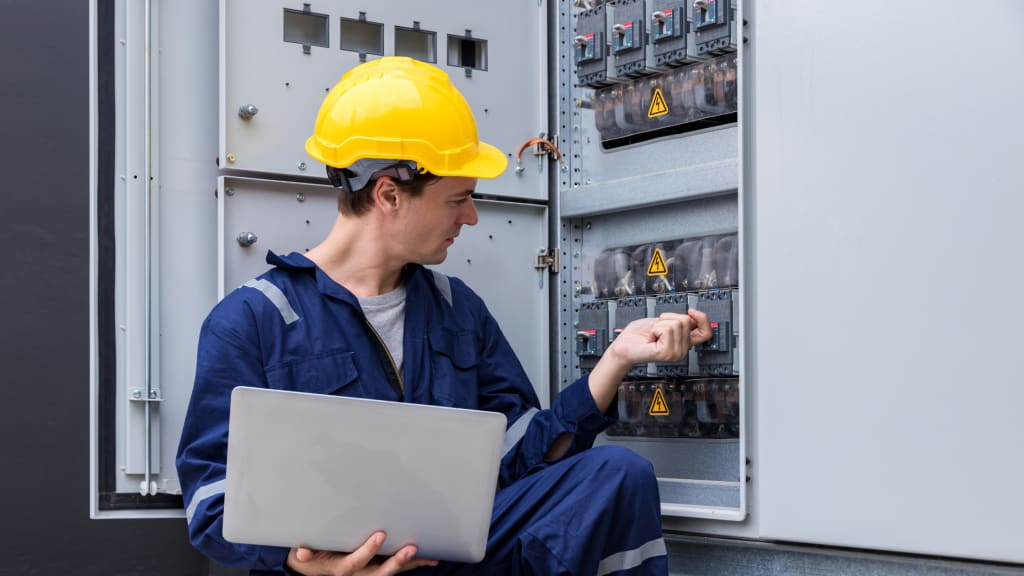
Electricity is something that we use on a daily basis. It is used to power our lights, appliances, and devices. Have you ever stopped to think about How Does an Electrical System Work? How does it travel through wires to power your devices? Here, we will explain how electricity moves from power plants to your home and how an electrical system works inside your home.
Electricity Journey
The electric grid is a system meant to deliver electricity from power plants straight to your homes. Such a system exists over 100 years old now. Power plants make electricity out of different types of energy resources. Some plant their electricity in the form of steam, water, and winds. These then transfer electricity along the high-tension wires supported by tall towers.
The high voltage helps electricity travel long distances. However, this high voltage is too much for our homes. That's why transformers are used to reduce the voltage.
The Role of Transformers
Transformers are specialized devices that decrease the high voltage electricity to a safe level. You may have noticed transformers on poles. They alter the electricity to 120 or 240 volts, which is the appropriate amount for home use.
In some areas, transformers are underground in green boxes. No matter if it is above the ground on a pole or buried underground, the transformer makes sure the electricity is safe enough for use in your home.
From the Transformer to Your Home
Once the voltage is stepped down, the electricity travels to your home. It comes in through three main wires: two "hot" wires and one neutral wire. Each hot wire carries 120 volts, and the neutral wire provides a safe return path for the current. These wires work together to send 240 volts to your house.
The electricity travels through a weather head, which keeps the rain out. Then it goes to your electric meter.
The Electric Meter | Measuring How Much Power You Use
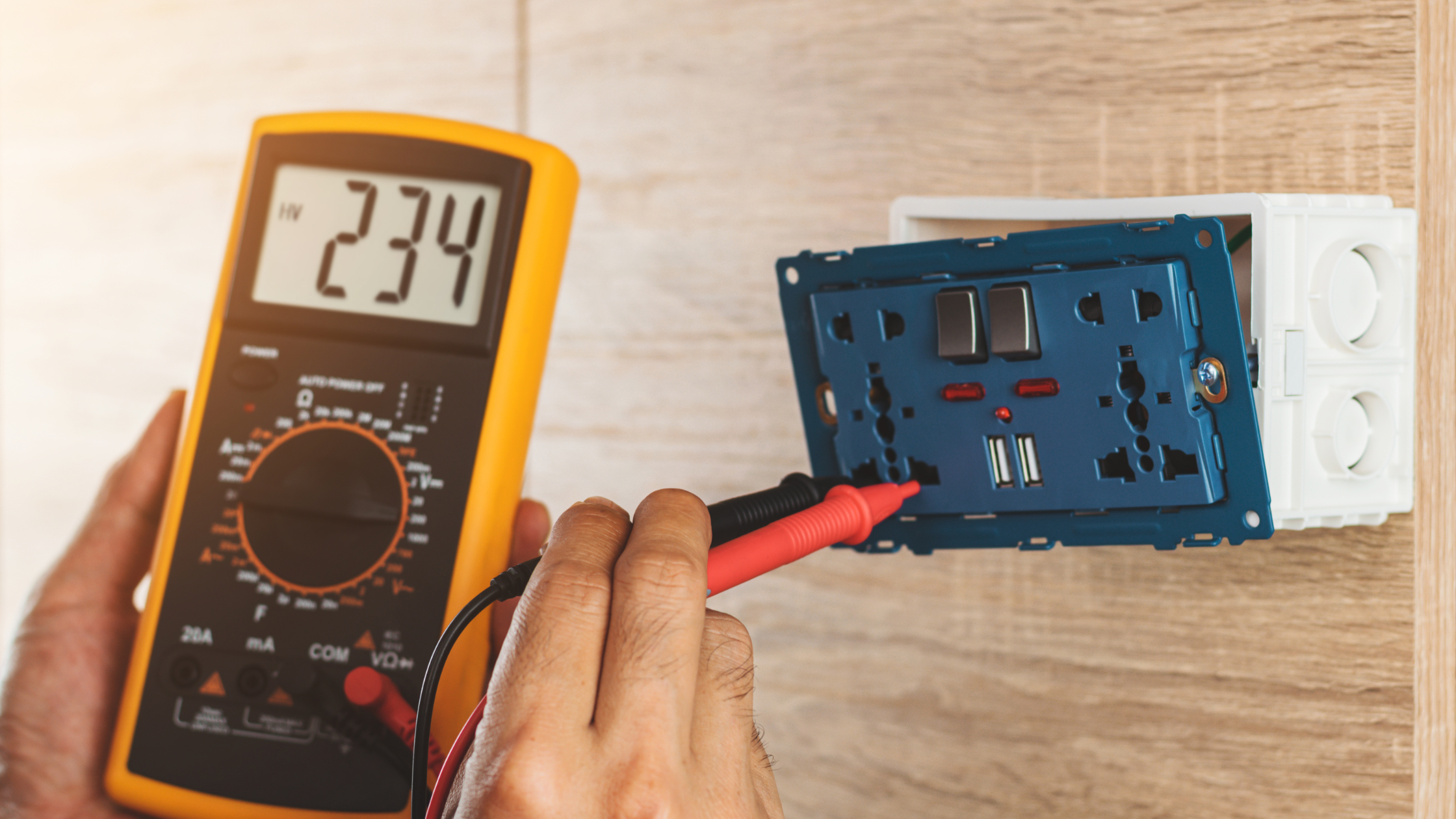
The electric meter is outside your home. It measures how much electricity you use. This helps your utility company bill you for the power you consume. Some meters are smart meters, which can send your usage data directly to the company.
Never tamper with the electric meter. It is dangerous and illegal to try to change or break it.
The Service Panel Where Electricity Is Sent to Your Home
From the meter, electricity enters the service panel in your house. This panel is usually found in the basement or garage. It is a key part of your home’s electrical system. The service panel sends electricity to different parts of your house.
Inside the service panel, you will find a main breaker. The breaker cuts off power if too much current is flowing. In addition, service panels contain bars made of copper or alloy. These bars carry 240 volts of electricity to different parts of your home.
There is also a neutral bar and a grounding bar in the panel. The neutral bar connects to the transformer, while the grounding bar connects to the earth. This will protect you from electrical shocks.
Circuit Breakers And Branch Circuits To Protect Your Home
The service panel contains circuit breakers. These breakers protect your home's wiring from too much electricity. If the current is too high, the breaker will stop the flow of electricity.
In your home, there is a breaker for each circuit. The size for small appliances and for lights is usually either 15 or 20 amps. A larger appliance could use two breakers, such as a dryer or stove, while electricity flows from the panel to outlets, lights, and appliances in your home.
Inside the panel, you will find a cover that safeguards the wiring. On the outside of the cover, you'll find a listing of which breaker controls which portion of your house. Always invest in top-quality parts and to know their costs, call Electrical Estimating Services is useful.
Electrical Safety
Electricity is extremely strong. It's essential to life today, but it can be dangerous, too. Knowing electrical safety is important in safeguarding your home and your family.
Grounding | A Safety Feature
Another essential component of your electrical system is grounding. It would refer to the connection of your electrical system to the earth. This will help protect you against electric shocks. If anything goes wrong, like in a short circuit, it would direct the electricity into the earth with a grounding system. Most homes use a grounding rod or connect the system with their metal pipes for this safety feature.
How Fuses and Circuit Breakers Work?
Older houses may still be wired using fuses, whereas new homes use circuit breakers. When there is too much current, fuses break the circuit. When a fuse gets blown, it needs to be replaced. Be sure to get the correct size fuse. Never use a fuse with a greater amperage, for it can cause fires.
Circuit breakers have the same operation as a fuse. They cut the electric flow when it becomes saturated. Circuit breakers are good in that they can be reset. You do not replace them, unlike fuses. When a breaker frequently trips, it may indicate that there is something wrong with the circuit, so you must call an electrician.
Arc Fault Circuit Interrupters (AFCIs)
AFCIs are safety devices that prevent fires caused by electrical problems. They cut off power when they detect an arc fault, which occurs when wires are damaged, overheated, or under stress. AFCIs are installed in many homes to prevent hidden fire risks.
Types of Wiring | Old vs. New
Most of the houses in the U.S. are over 50 years old. Existing older homes might be using wiring that is obsolete or unsafe. Knowing the type of home wiring you have is essential because it helps you identify potential dangers and correct them.
Knob and Tube Wiring (1800s - 1930's)
Knob and tube wiring was used in homes built from the late 1800s to the early 1930s. It uses ceramic knobs to keep wires away from wood framing. This type of wiring is no longer safe because it's not grounded. It can also be damaged over time, creating fire risks.
Aluminum Wiring (1960s-1970s)
Aluminum wiring was installed in most homes built during the 1960s and 1970s. It is lightweight and inexpensive, but problems can arise. Poor installation will lead to loose connections and an increased fire risk. If your house contains aluminum wiring, a qualified electrician should inspect it periodically.
Grounded Electrical Systems (1940s-present)
Homes constructed from the 1940s onwards are usually grounded. Grounded electrical systems use a third wire for grounding, which protects people from electric shocks. Grounded systems are much safer than older, ungrounded systems.
Electrical Outlets | Various Types and Safety Features
Outlets are where you plug in appliances and electronics. There are different types of outlets, and each has a specific safety feature.
Polarized and Grounded Outlets
Polarized outlets possess a wider slot as compared to the other slots in it. This will ensure that the wires get connected correctly. Grounded outlets have a third hole for a ground wire. This provides an extra measure of security against electric shocks.
Tamper-Resistant Receptacles (TRRs)
Tamper-proof outlets have some special shutters to stop kids from inserting whatever things into the outlet. Tamper-resistant outlets are used in newly designed homes for kids' protection.
Ground Fault Circuit Interrupters (GFCIs)
GFCIs are outlets that protect you from electric shocks. They can usually be found where water could get into the electricity, such as a kitchen or bathroom or an outdoor location. If something's wrong with the electricity, GFCIs turn off the power right away so you don't get shocked.
Using Extension Cords Safely
These extension cords are useful for reaching an outlet that is some distance away, but they could be dangerous when not used with caution. Some safety tips about using extension cords include the following:
- Use Extension Cords Only for a Short Period: Extension cords should only be used for short periods. They are not designed to be used as a permanent solution.
- Check the Rating: Make sure the cord is rated for indoor or outdoor use. Also, check that it can handle the power needs of the appliance you’re using.
- Inspect Before Use: Always check the cord for damage before using it. If the cord is frayed or the plug is broken, don’t use it.
- Do Not Run Through Walls: Never run extension cords through walls or ceilings. This could lead to overheating and potential fires.
- Do Not Use a Hot or Damaged Cord: If an extension cord is hot or shows signs of damage, stop using it immediately.
Outdoor Extension Cord Safety
When using extension cords outside, the weather-resistant quality must be ascertained. Verify the amperage on the cord and compare it with what the appliance will require. Do not pass extension cords through walkways for a risk of tripping, and check cords before their use.
Conclusion
Knowing how electricity gets to your home from the power plant keeps you safe; however, it is equally important that you know how electricity operates at home. Understanding transformers, circuit breakers, grounding systems, and types of outlets keeps your home's electrical system safe and reliable.
Always remember that electricity is powerful and can be dangerous. If you’re unsure about anything in your home’s electrical system, it’s always best to call a licensed electrician. Electricity keeps our homes running, but it must be handled carefully to ensure everyone stays safe.
About the Creator
Enjoyed the story? Support the Creator.
Subscribe for free to receive all their stories in your feed.
Comments