
How Does Ambient Computing Shape Smart Environments and Transform Everyday Life?
Ambient Computing
1. Introduction to Ambient Computing
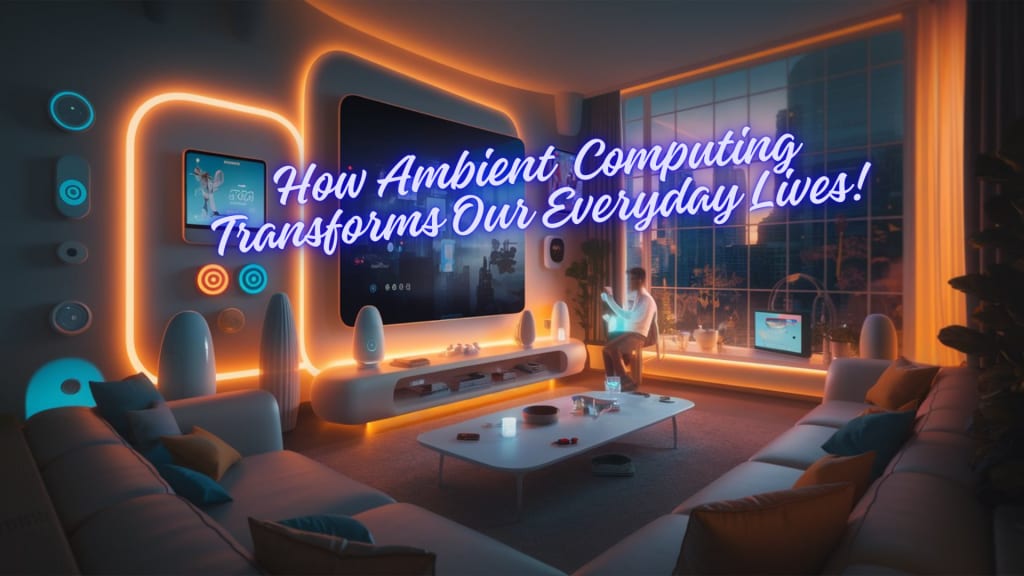
Have you ever daydreamed about a world where your coffee machine knows exactly when to brew your favorite morning pick-me-up or where your home adjusts the temperature to your liking just before you arrive? Well, welcome to the exciting world of ambient computing! It's like stepping into a futuristic dream where technology is so integrated into our lives that we barely notice it—except for how it makes everything smoother and cooler.
So, what is ambient computing, really? Picture this: it’s a type of technology designed to blend seamlessly into our environment, making our lives easier and more comfortable without us having to lift a finger (well, maybe just one to tap your phone now and then). It's all about creating smart spaces that react to our needs and preferences, whether we’re at home, work, or even at the park.
Now, why should you care about this? Because ambient computing is reshaping how we interact with the world around us! It’s turning our mundane environments into intelligent ecosystems that learn from us and adapt to our routines. From smart homes that adjust lighting and temperature based on our presence to smart cities that manage traffic and energy use more efficiently, the possibilities are endless!
But how does it all work? What role do sensors, devices, and artificial intelligence (AI) play in this fascinating tech landscape? We’ll explore these questions and more throughout this blog. So sit tight, grab your favorite snack, and let’s embark on this tech-savvy adventure together!
2. Understanding Smart Environments
Let’s take a closer look at what we mean by “smart environments.” Imagine walking into your home after a long day of school or work and feeling immediately welcomed by a cozy ambiance—lights that turn on automatically, your favorite tunes playing softly in the background, and the temperature set just right. Sounds dreamy, right? This is the magic of smart environments!
a. What Makes a Space “Smart”?
A smart environment is essentially a space—be it your home, office, or even your community—that uses technology to enhance comfort, efficiency, and convenience. Think of it as transforming a regular space into a high-tech haven where everything works together in harmony. But how does this transformation happen?
It all starts with the “smart” devices themselves. These gadgets, equipped with sensors and connected to the internet, can communicate with each other. For example, a smart thermostat can adjust the heating or cooling based on your preferences, while smart lights can be programmed to change colors or brightness depending on the time of day or activity.
b. The Internet of Things (IoT)
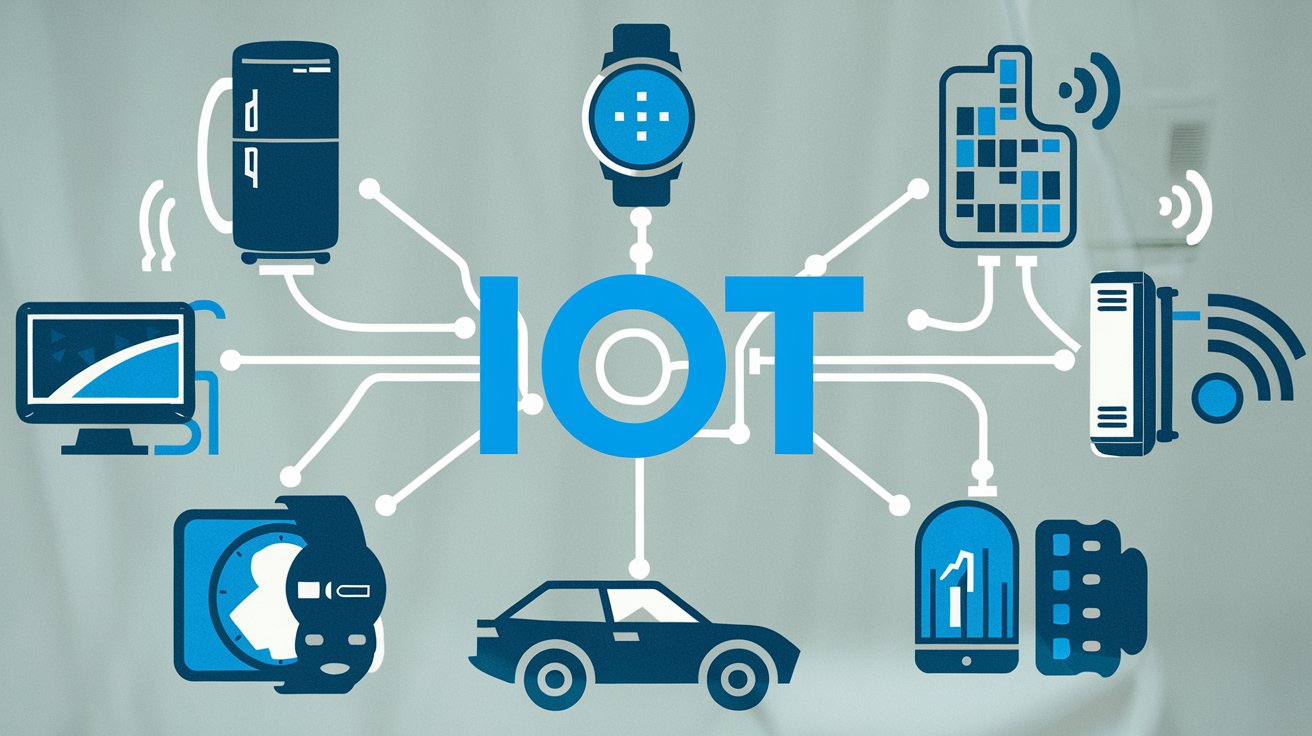
Now, let’s talk about a superstar player in the world of smart environments: the Internet of Things (IoT). This term refers to a network of physical objects—ranging from household appliances to wearable fitness trackers—that are connected to the internet and can communicate with one another. It’s like a family reunion for your devices, where they all chat and share information to create a cohesive, intelligent environment.
Imagine your fridge sending you a text message (yes, you read that right!) to remind you that you’re low on milk or that you have leftover pizza waiting for you. It’s not just a fancy fridge; it’s a smart fridge, and it can revolutionize how you manage your groceries. This interconnectivity allows for unprecedented levels of convenience and efficiency in our daily lives.
c. The Benefits of Smart Environments
So, why should we bother with smart environments? The benefits are numerous! First and foremost, they save us time and effort. Imagine waking up in the morning, and your coffee maker starts brewing automatically as soon as your alarm goes off. You can enjoy your coffee, check your messages, and even get weather updates—all while still in your pajamas!
Moreover, smart environments can help reduce energy consumption. By using smart devices to monitor and adjust energy usage, you can save money on your utility bills and contribute to a more sustainable future. Less energy wasted means a smaller carbon footprint, and that’s a win-win for both your wallet and the planet!
Finally, smart environments enhance safety and security. With smart locks, cameras, and alarms, you can keep an eye on your home while you’re away, receive alerts about unusual activity, and even control access remotely. It’s like having a personal security guard available at all times!
In summary, smart environments are all about leveraging technology to create more comfortable, efficient, and secure living spaces. They offer a glimpse into a future where our surroundings can adapt to our needs, making everyday life easier and more enjoyable. So, are you ready to embrace the smart revolution? Let’s move on to the next exciting topic!
3. How Ambient Computing Works
Alright, folks, let’s dive into the nitty-gritty of how ambient computing actually works! It’s not just magic—there’s a fascinating blend of technology, data, and design that makes this all happen.
a. Sensors and Data Collection
At the heart of ambient computing are sensors. These tiny devices are everywhere, collecting data about our environment and our behavior. They can detect things like motion, temperature, humidity, and even light levels. For example, when you walk into a room, a motion sensor can trigger the lights to turn on automatically, creating a warm and welcoming atmosphere.
But data collection doesn’t stop there! These sensors can gather information about our habits over time. For instance, if you usually leave for school at 7:30 a.m., the system learns this and can adjust the temperature or turn off lights in your home before you head out. It’s like having a super-smart assistant that knows your schedule better than you do!
b. Contextual Awareness
Now, collecting data is just the first step. Ambient computing also relies on contextual awareness, which means that it understands the context of a situation and can respond appropriately. This is where artificial intelligence (AI) comes into play.
Let’s say you’re in a meeting, and your smart home system detects that the room is quiet and dim. It can automatically lower the blinds to block out sunlight and reduce any distractions. On the other hand, if it senses that you’re entertaining guests, it might play upbeat music and adjust the lighting to create a lively atmosphere. It’s all about creating the right environment for the right occasion!
c. Seamless Integration
One of the coolest aspects of ambient computing is how seamlessly it integrates into our daily lives. The technology often works quietly in the background, making adjustments without drawing attention to itself. You might not even realize it’s happening—until you notice how much easier life has become!
This seamless integration means that you don’t have to interact with your devices constantly. Instead of fiddling with multiple apps or buttons, your environment adapts to you automatically. For example, if you have a smart mirror in your bathroom, it can display the weather, your calendar, and even play music while you’re getting ready—all without you having to reach for your phone!
d. Learning and Adapting
Another fascinating aspect of ambient computing is its ability to learn and adapt over time. The more you interact with your devices, the better they understand your preferences. This means that the longer you use a smart environment, the more tailored it becomes to your needs.
For instance, if you always adjust the thermostat to 72 degrees Fahrenheit in the evening, your smart system will eventually learn this preference and do it for you automatically. This ability to learn from your behavior makes ambient computing even more powerful, as it creates a personalized experience that enhances your daily life.
In conclusion, ambient computing works by using sensors to collect data, applying contextual awareness to understand situations, and integrating seamlessly into our lives. With the help of AI, these systems learn and adapt to our preferences, making our environments more responsive and personalized. So, are you ready to embrace this incredible technology and see how it transforms your everyday life? Let’s move on to the next exciting topic!
4. The Role of IoT in Ambient Computing
Alright, let’s take a closer look at the Internet of Things (IoT) and its vital role in ambient computing. You might have heard the term before, but what does it really mean? And why is it so important for creating smart environments? Let’s break it down!
a. What is the Internet of Things (IoT)?
At its core, the Internet of Things refers to a vast network of physical objects (or “things”) that are connected to the internet and can communicate with one another. This includes everything from everyday household appliances, like refrigerators and washing machines, to wearable devices, like fitness trackers and smartwatches.
But here’s the kicker: these devices aren’t just connected; they’re also able to send and receive data. This means they can work together to create a cohesive system that enhances our daily lives. For example, your fitness tracker can sync with your smart fridge to recommend healthy snacks based on your exercise routine. Talk about teamwork!
b. Connectivity and Communication
The beauty of IoT lies in its connectivity and communication capabilities. Imagine a scenario where your smart home devices can all talk to each other. Your smart thermostat knows when you leave for school, your smart lights turn off automatically, and your smart security system arms itself—all without you having to do anything!
This interconnectedness creates a more responsive and efficient environment. If your smart thermostat detects that no one is home, it can automatically adjust the temperature to save energy. Similarly, if your smart smoke detector senses smoke, it can trigger alarms and notify you on your phone. It’s like having a safety net that looks out for you!
c. Real-World Examples of IoT in Action
Let’s take a look at some real-world examples of how IoT is being used to create smart environments. Picture this: you’re cooking dinner, and your smart oven communicates with your smart refrigerator. The oven can suggest recipes based on the ingredients you have on hand and adjust the cooking times based on your preferences. No more guesswork!
Or consider smart cities—urban areas that use IoT technology to enhance the quality of life for residents. Smart traffic lights can adapt to real-time traffic conditions, reducing congestion and improving safety. Public transportation systems can provide real-time updates on arrivals and departures, making commuting more efficient.
d. The Future of IoT and Ambient Computing
So, what does the future hold for IoT and ambient computing? It’s bright! As technology continues to evolve, we can expect even more innovative applications of IoT in our everyday lives. Imagine a world where your health-monitoring devices can communicate with your doctor in real-time, providing crucial information about your well-being.
Or think about the possibilities for energy management. Smart grids can optimize energy distribution based on demand, leading to a more sustainable and efficient energy system. The potential is limitless!
In summary, the Internet of Things plays a crucial role in ambient computing by connecting devices and enabling them to communicate with one another. This interconnectedness creates smarter, more responsive environments that enhance our daily lives. So, buckle up and get ready for an exciting journey into the world of smart technology!
5. Voice Assistants and Natural Interfaces
Now, let’s dive into one of the most recognizable features of ambient computing: voice assistants! You’ve probably heard of Siri, Alexa, or Google Assistant—those friendly voices that seem to know everything. But how do they fit into the bigger picture of ambient computing? Let’s find out!
a. The Rise of Voice Assistants
Voice assistants have exploded in popularity over the past few years. They allow us to interact with our devices using natural language, making it easier and more intuitive to get things done. No more fumbling around with buttons or apps; all you have to do is ask!
Imagine walking into your kitchen and saying, “Hey, Alexa, play my favorite playlist.” In an instant, your music starts playing, and you’re ready to groove while you cook. This kind of convenience is what makes voice assistants so appealing. They provide a hands-free way to control your smart environment, making it more accessible for everyone.
b. Natural Language Processing (NLP)
But how do these voice assistants understand what we’re saying? That’s where natural language processing (NLP) comes into play. NLP is a branch of artificial intelligence that focuses on enabling machines to understand and interpret human language.
When you ask your voice assistant a question, it uses NLP algorithms to analyze your words, understand the context, and provide a relevant response. This technology allows for more natural conversations, making it feel like you’re talking to a real person rather than just a machine.
c. The Role of Context in Voice Commands
Context is crucial for voice assistants to work effectively. They need to understand not only what you’re saying but also the context behind it. For example, if you say, “Turn off the lights,” the assistant needs to know which lights you’re referring to. If you’re in the living room, it should turn off the living room lights, not the ones in the garage!
This contextual awareness makes voice assistants more reliable and user-friendly. They can remember your preferences, learn from your interactions, and adapt to your needs over time. The more you use them, the smarter they become!
d. Voice Assistants in Everyday Life
Voice assistants are not just a novelty; they’ve become integral to our daily lives. From setting reminders and making calls to controlling smart home devices, they offer a wide range of functionalities. Need to know the weather forecast? Just ask! Want to order pizza? You can do that too!
Moreover, voice assistants are also helping to bridge the digital divide. They provide a more accessible way for people with disabilities or those who may struggle with traditional interfaces to interact with technology. It’s empowering individuals and making technology more inclusive.
e. The Future of Voice Interaction
As technology continues to advance, we can expect even more exciting developments in the realm of voice assistants. Imagine having a personal voice assistant that not only controls your smart home but also helps you manage your health, plan your day, and even provide personalized recommendations based on your preferences.
In summary, voice assistants and natural interfaces are revolutionizing the way we interact with our environments. They provide a convenient, hands-free way to control smart devices and access information, making our lives easier and more enjoyable. So, the next time you ask your voice assistant for help, remember that it’s all part of the amazing world of ambient computing!
6. Personalization and Context-Awareness
One of the most exciting aspects of ambient computing is personalization. Imagine a world where your devices understand your preferences, anticipate your needs, and tailor their responses accordingly. That’s the power of personalization and context-awareness!
a. Understanding Personalization
Personalization refers to the ability of technology to adapt and cater to individual users based on their preferences, habits, and behaviors. It’s like having a best friend who knows exactly what you like and dislike. For instance, a smart thermostat can learn your preferred temperature settings throughout the day and adjust itself accordingly. No more fiddling with knobs or buttons—it just knows!
b. Context-Awareness in Action
Context-awareness takes personalization to the next level. It involves understanding the context in which a user is operating and responding accordingly. For example, if you’re at home on a Saturday evening, your smart lighting system might dim the lights and switch to a cozy color to create a relaxing atmosphere. However, if you’re working from home during the day, it could brighten the lights to keep you alert and focused.
This contextual awareness allows devices to provide a more tailored experience. For example, if you usually listen to music while cooking dinner, your smart speaker might automatically start playing your favorite cooking playlist when it detects you’re in the kitchen. It’s all about enhancing your experience and making life a little easier!
c. The Role of Data in Personalization
Personalization relies heavily on data. Ambient computing systems collect and analyze data from various sources, such as sensors, user interactions, and even external factors like weather or traffic conditions. This data helps devices learn about your habits and preferences, enabling them to provide personalized recommendations and responses.
For instance, if you frequently order takeout on Friday nights, your smart assistant might suggest your favorite restaurant or even place an order for you. It’s like having a personal concierge who knows your tastes and makes dining decisions easier!
d. Balancing Personalization with Privacy
While personalization offers incredible benefits, it also raises concerns about privacy and data security. People are understandably wary of sharing their personal information with devices that are constantly listening and learning. Striking the right balance between personalization and privacy is crucial for building trust with users.
Ambient computing systems should prioritize user consent and transparency, allowing individuals to control what data is collected and how it’s used. This way, you can enjoy the perks of personalization while maintaining your privacy.
e. The Future of Personalization in Ambient Computing
As technology continues to evolve, we can expect even more sophisticated personalization features in ambient computing. Imagine a world where your devices anticipate your needs before you even realize them! From personalized health recommendations to tailored entertainment experiences, the possibilities are limitless.
In conclusion, personalization and context-awareness are key components of ambient computing. They enable devices to adapt to individual users, providing a tailored experience that enhances our daily lives. As we continue to embrace this technology, we can look forward to a future where our environments truly understand us!
7. Benefits of Ambient Computing
So far, we’ve explored what ambient computing is and how it works. But why should we care? What are the real benefits of this amazing technology? Let’s break it down!
a. Convenience and Efficiency
First and foremost, ambient computing offers unparalleled convenience. Imagine a world where your devices work together seamlessly, anticipating your needs without you having to lift a finger. Whether it’s adjusting the lighting, controlling the thermostat, or playing your favorite music, everything is at your command—without all the hassle!
Think about your morning routine: your smart alarm clock gently wakes you up with soft music, the shower heats up to your preferred temperature, and your coffee maker brews a fresh cup—all before you even step out of bed. This kind of efficiency can save you time and make your mornings a breeze!
b. Energy Savings
Ambient computing can also lead to significant energy savings. By using smart devices to monitor and manage energy usage, you can reduce waste and lower your utility bills. For example, smart thermostats can learn your heating and cooling preferences, adjusting themselves automatically to optimize energy consumption.
Additionally, smart lighting systems can turn off lights in unoccupied rooms or adjust brightness based on natural light levels. This not only saves energy but also helps create a more sustainable environment.
c. Enhanced Safety and Security
Safety is another critical benefit of ambient computing. Smart home security systems can monitor your property, detect unusual activity, and send alerts to your smartphone in real time. Imagine being able to check your home security cameras while on vacation or receive a notification if a door is left unlocked.
Furthermore, ambient computing can also enhance safety in other areas, such as health monitoring. Wearable devices can track your vital signs, alerting you or your doctor if something seems off. It’s like having a health buddy looking out for you!
d. Improved Quality of Life
Ultimately, ambient computing is all about improving our quality of life. By creating smart environments that respond to our needs, we can experience greater comfort, convenience, and well-being. Whether it’s adjusting the lighting for a movie night or receiving reminders to take medication, these technologies can enhance our daily experiences.
Moreover, ambient computing can empower individuals with disabilities or those aging in place. Smart devices can provide support and assistance, making it easier for them to live independently and comfortably.
e. The Future of Ambient Computing
As we look to the future, the benefits of ambient computing will only continue to grow. With advancements in artificial intelligence, machine learning, and IoT, we can expect even more innovative applications that enhance our lives. Imagine a world where your environment intuitively responds to your needs, making every day feel like a customized experience!
In summary, ambient computing offers numerous benefits, from convenience and energy savings to enhanced safety and improved quality of life. As we embrace this technology, we can look forward to a future where our environments work in harmony with us, creating a more enjoyable and efficient way of living.
8. Challenges and Limitations of Ambient Computing
While ambient computing sounds like a dream come true, it’s not all sunshine and rainbows. There are challenges and limitations that we need to address as we navigate this tech-driven landscape. Let’s take a closer look at some of the key issues!
a. Privacy Concerns
One of the biggest challenges facing ambient computing is privacy. With devices constantly collecting data about our habits, preferences, and even our daily routines, many people worry about how this information is being used. Are our conversations being recorded? Is our data being shared with third parties? These are valid concerns that need to be addressed.
To build trust with users, companies must prioritize transparency and user consent. People should have control over what data is collected and how it’s utilized. Striking the right balance between personalization and privacy is crucial for the success of ambient computing.
b. Interoperability Issues
Another challenge is interoperability—the ability of different devices and systems to work together seamlessly. In the world of ambient computing, we often have devices from various manufacturers with different communication protocols. This can lead to compatibility issues, making it challenging to create a cohesive smart environment.
Imagine trying to connect your smart thermostat to your smart lighting system, only to find out they speak different “languages.” This can be frustrating for users who want a seamless experience. The industry needs to work towards creating standards and protocols that allow devices to communicate effectively, regardless of the manufacturer.
c. Dependency on Technology
As we embrace ambient computing, we also risk becoming overly dependent on technology. While having smart devices can enhance our lives, it’s essential to strike a balance. We should be cautious about relying too heavily on technology for everyday tasks.
What happens if the internet goes down or a device malfunctions? It’s important to have backup plans and not let technology dictate our lives. We should continue to cultivate skills and knowledge that allow us to thrive without being solely reliant on smart devices.
d. Cost Barriers
Implementing ambient computing technologies can also be expensive. While prices for smart devices are gradually decreasing, not everyone can afford to upgrade their home with the latest gadgets. This creates a disparity in access to these technologies.
Efforts should be made to develop affordable solutions and programs that enable more people to benefit from ambient computing. The goal should be to make these technologies accessible to everyone, regardless of their financial situation.
e. The Future of Ambient Computing Challenges
As we look ahead, it’s essential to address these challenges head-on. By prioritizing privacy, improving interoperability, and ensuring accessibility, we can create a more inclusive and sustainable ambient computing landscape.
In conclusion, while ambient computing offers incredible benefits, it also comes with challenges and limitations. By recognizing these issues and working together to overcome them, we can build a brighter future for ambient computing that enhances our lives without compromising our privacy or autonomy.
9. Impact on Healthcare
When it comes to healthcare, ambient computing is a game-changer. Picture this: you walk into a doctor's office, and instead of the usual clipboard and pen routine, the room is already aware of your medical history, allergies, and previous visits. This isn’t some sci-fi fantasy—it’s the power of ambient computing in action!
a. Streamlining Patient Care
One of the most significant impacts of ambient computing on healthcare is the ability to streamline patient care. Thanks to wearable devices like smartwatches and fitness trackers, patients can monitor their health in real time. These devices collect vital information such as heart rate, blood pressure, and even oxygen levels, sending it directly to healthcare providers.
Imagine your smartwatch detects an irregular heartbeat. It can send an alert to your doctor, who can then reach out to you before you even realize there’s a problem. This proactive approach not only improves patient outcomes but also enhances the efficiency of healthcare systems by reducing hospital visits for preventable issues.
b. Personalized Treatment Plans
Another exciting aspect of ambient computing in healthcare is the development of personalized treatment plans. With the wealth of data collected from various sources, healthcare providers can tailor their recommendations to fit each patient’s unique needs.
For instance, if a diabetic patient regularly logs their blood sugar levels through a connected device, doctors can analyze that data to adjust medications and diet plans accordingly. This level of customization makes patients feel more involved in their health journey and can lead to better adherence to treatment.
c. Telehealth and Remote Monitoring
The COVID-19 pandemic accelerated the adoption of telehealth, and ambient computing plays a crucial role in making virtual healthcare more effective. With remote monitoring systems, patients can receive continuous care from the comfort of their homes.
Imagine you’re recovering from surgery. Instead of frequent trips to the hospital for check-ups, you can wear a device that monitors your recovery metrics, such as mobility and pain levels, and sends updates to your healthcare team. If something seems off, they can intervene early, reducing the risk of complications.
d. Smart Hospitals
In the future, we may see the rise of smart hospitals that leverage ambient computing to enhance patient experiences. Think about a hospital room equipped with sensors that can adjust lighting, temperature, and even the angle of your bed based on your comfort preferences.
Moreover, ambient computing can optimize hospital operations. For example, smart inventory systems can track medical supplies in real time, alerting staff when stock is running low. This ensures that healthcare providers have everything they need at their fingertips, improving the overall quality of care.
e. Challenges and Ethical Considerations
Despite the many benefits, integrating ambient computing into healthcare also presents challenges. Privacy is a significant concern, as sensitive patient data is constantly being collected and shared. Healthcare providers must ensure that they adhere to strict regulations, such as HIPAA in the United States, to protect patient information.
Moreover, as with any technology, there is the risk of over-reliance. While smart devices can enhance patient care, they should not replace the human touch that is essential in healthcare. Doctors and nurses play a vital role in understanding patients’ emotional and psychological needs, which technology alone cannot address.
In summary, ambient computing has the potential to revolutionize healthcare by streamlining patient care, personalizing treatment plans, and enhancing telehealth services. While there are challenges to overcome, the future of healthcare looks brighter with these innovative technologies at play.
10. Privacy and Data Security
As we dive deeper into the world of ambient computing, one crucial aspect cannot be overlooked: privacy and data security. With devices constantly collecting data about our lives, it’s essential to understand the implications and how we can safeguard our information.
a. The Data Deluge
Every time we use a smart device, whether it’s a voice assistant, fitness tracker, or smart thermostat, we generate data. This information can be incredibly valuable for companies looking to improve their services. However, it also raises significant privacy concerns.
Imagine your smart home devices are listening to your conversations, tracking your movements, and storing your preferences. What happens to that data? Who has access to it? These are critical questions that need addressing in the age of ambient computing.
b. Consent and Transparency
To build trust with users, companies must prioritize transparency and obtain consent. Users should be informed about what data is being collected, how it will be used, and who it may be shared with.
For instance, if your smart fridge tracks your eating habits to suggest recipes, you should have control over this data. Can you opt out of tracking? Can you delete your data if you change your mind? Companies must establish clear policies to empower users to make informed choices about their privacy.
c. Data Breaches and Vulnerabilities
Data breaches are a real threat in today’s digital landscape. With so much sensitive information being collected, hackers are constantly looking for vulnerabilities to exploit.
Imagine your health data being exposed because of a weak security system in your smart watch. This can have severe consequences, not just for individuals but also for healthcare providers who could face legal repercussions. To combat this, companies must invest in robust security measures, such as encryption and regular software updates, to protect user data from potential threats.
d. The Role of Regulations
Governments around the world are recognizing the need for stronger data protection laws. Regulations like the General Data Protection Regulation (GDPR) in Europe set strict guidelines for how companies handle personal data.
These regulations require companies to implement measures that protect user privacy, such as the right to access and delete personal information. In the U.S., discussions around comprehensive privacy legislation are gaining momentum, emphasizing the importance of safeguarding consumer data in the age of technology.
e. Finding the Balance
Ultimately, the key to navigating privacy and data security in ambient computing is finding the right balance. While the benefits of personalized experiences and smart environments are undeniable, they should not come at the cost of individual privacy.
Users should be empowered to take control of their data, with companies providing transparent practices that prioritize consent and security. By establishing trust and fostering open communication, we can enjoy the conveniences of ambient computing while safeguarding our personal information.
In summary, privacy and data security are critical considerations in the realm of ambient computing. As technology continues to advance, it’s essential to establish clear guidelines and practices that protect users’ information while allowing them to enjoy the benefits of a smart, connected world.
11. AR/VR Integration with Ambient Computing
As if ambient computing wasn’t already fascinating enough, let’s take it up a notch with augmented reality (AR) and virtual reality (VR)! These technologies are not just for gaming anymore; they are becoming integral components of ambient computing, shaping how we interact with our environments.
a. Understanding AR and VR
Before we dive into how AR and VR integrate with ambient computing, let’s clarify what these terms mean.
● Augmented Reality (AR) overlays digital information onto the real world. Think of it as a magic window where you can see virtual objects interacting with your physical environment. Pokémon GO is a popular example where players catch virtual creatures in real-world locations.
● Virtual Reality (VR), on the other hand, immerses users in a completely digital environment. With VR headsets, you can explore a different world as if you’re really there—whether it’s swimming with dolphins or walking on Mars!
b. Enhancing Everyday Experiences
Imagine walking into your living room and putting on a VR headset. Suddenly, you’re transported to a serene beach, complete with the sounds of crashing waves and a gentle breeze. While this may sound like a vacation, it’s just another day with ambient computing!
In everyday life, AR can help us visualize how furniture will look in our homes before we buy it. Apps can allow us to place virtual couches or chairs in our living room, helping us make better decisions. This integration of AR and ambient computing creates a more interactive and engaging shopping experience.
c. Transforming Education and Training
AR and VR have significant implications for education and training, making learning more immersive and engaging.
Picture this: students studying biology can use AR to see a 3D model of the human body, allowing them to explore its inner workings without needing a cadaver! In the realm of training, VR can simulate real-life scenarios for medical students, allowing them to practice procedures in a safe environment.
This hands-on approach to learning can enhance understanding and retention, making education more effective and enjoyable.
d. AR/VR in Healthcare
The integration of AR and VR in healthcare is particularly exciting. Surgeons can use AR to overlay critical information onto a patient’s anatomy during operations, improving precision and outcomes.
Moreover, VR can aid in pain management. Studies have shown that immersing patients in calming virtual environments can help reduce pain perception during medical procedures. This not only enhances the patient experience but can also reduce the need for medication.
e. The Future of AR/VR in Ambient Computing
As technology advances, the potential for AR and VR in ambient computing is limitless. Imagine a future where smart glasses provide real-time information about your surroundings, guiding you through a museum or helping you navigate unfamiliar streets.
Moreover, as remote work becomes more prevalent, AR and VR can create virtual collaboration spaces, allowing teams to work together from anywhere in the world as if they were in the same room. This can enhance productivity and foster a sense of connection among remote team members.
In conclusion, the integration of AR and VR with ambient computing is transforming the way we experience and interact with our environments. From enhancing everyday activities to revolutionizing education and healthcare, these technologies offer exciting possibilities that make our lives more engaging and connected.

12. The Future of Ambient Computing
As we wrap up our exploration of ambient computing, let’s take a peek into the crystal ball and imagine what the future holds. The landscape of technology is ever-evolving, and ambient computing is at the forefront of this transformation. So, what can we expect in the coming years? Buckle up for a wild ride into the future!
a. Advances in Artificial Intelligence
One of the most exciting trends we can expect is advancements in artificial intelligence (AI). As AI technology continues to improve, ambient computing systems will become even smarter and more intuitive. We’ll see devices that can predict our needs with remarkable accuracy, creating an incredibly personalized experience.
Imagine a smart assistant that knows when you’re feeling stressed and automatically dims the lights, plays soothing music, and adjusts the temperature to help you relax. That’s the kind of future we’re heading towards!
b. Greater Integration of IoT Devices
We can also anticipate greater integration of IoT devices in our daily lives. As more devices become connected to the internet, our environments will become increasingly intelligent and responsive. We’ll see everything from smart appliances to wearable health devices working together to create a seamless experience.
For example, imagine a smart kitchen where your refrigerator, oven, and dishwasher communicate with each other to streamline meal preparation and cleanup. It’s like having a personal chef at your fingertips!
c. Enhanced Health and Wellness Applications
The future of ambient computing will also see a significant focus on health and wellness. Wearable devices will continue to evolve, providing real-time health monitoring and personalized insights. From tracking fitness goals to alerting users about potential health issues, these devices will empower individuals to take control of their well-being.
Furthermore, smart homes will incorporate features that promote a healthier lifestyle, such as air quality monitoring, sleep optimization, and reminders to stay active. It’s all about creating an environment that supports our health and happiness!
d. Expanding Smart Cities
On a larger scale, we can expect to see the expansion of smart cities that leverage ambient computing technologies to improve urban living. These cities will use data and connectivity to enhance transportation, energy management, public safety, and more.
For instance, smart traffic systems will optimize traffic flow in real-time, reducing congestion and emissions. Public transportation will become more efficient, with real-time updates and seamless connections. It’s all about creating a more sustainable and livable urban environment!
e. Ethical Considerations and Regulations
As ambient computing continues to grow, ethical considerations and regulations will become increasingly important. We’ll need to establish guidelines for data privacy, security, and the responsible use of technology. It’s crucial to ensure that advancements in ambient computing benefit society as a whole and do not come at the expense of individuals’ rights.
In summary, the future of ambient computing is bright and full of possibilities. With advancements in AI, greater integration of IoT devices, and a focus on health and wellness, our environments will become even more intelligent and responsive. By addressing ethical considerations and promoting responsible use of technology, we can build a future where ambient computing enhances our lives in meaningful ways.
FAQs about Ambient Computing
1. What is ambient computing?
Ambient computing is a technology that enables devices to seamlessly interact with their environment, creating a more responsive and intelligent experience for users. It involves the use of sensors, artificial intelligence, and the Internet of Things (IoT) to make our surroundings more aware of our needs.
2. How does ambient computing benefit us?
Ambient computing offers numerous benefits, including convenience, energy savings, enhanced safety and security, and improved quality of life. It creates smart environments that adapt to our preferences and needs, making our lives easier and more enjoyable.
3. What role does AI play in ambient computing?
Artificial intelligence (AI) plays a crucial role in ambient computing by enabling devices to learn from user behavior, understand context, and provide personalized experiences. AI algorithms analyze data from various sources to create intelligent responses that enhance our daily lives.
4. What is the Internet of Things (IoT)?
The Internet of Things (IoT) refers to a network of physical objects that are connected to the internet and can communicate with one another. This includes smart devices like thermostats, refrigerators, and wearable technology, all working together to create a cohesive smart environment.
5. How do voice assistants fit into ambient computing?
Voice assistants, like Siri and Alexa, are key components of ambient computing. They allow users to interact with their devices using natural language, providing a hands-free way to control smart environments and access information.
6. What are the privacy concerns related to ambient computing?
Privacy concerns arise from the constant data collection of ambient computing devices. Users may worry about how their information is used, shared, or stored. It’s essential for companies to prioritize transparency and user consent to address these concerns.
7. Can ambient computing improve energy efficiency?
Yes! Ambient computing can significantly improve energy efficiency by using smart devices to monitor and manage energy consumption. For example, smart thermostats can adjust heating and cooling based on user preferences, saving energy and reducing utility bills.
8. What challenges does ambient computing face?
Some challenges include privacy concerns, interoperability issues, dependency on technology, and cost barriers. Addressing these challenges is crucial for the successful adoption and implementation of ambient computing technologies.
9. How can ambient computing enhance health and wellness?
Ambient computing can enhance health and wellness through wearable devices that monitor vital signs, smart home features that promote a healthy lifestyle, and personalized insights to help individuals manage their well-being.
10. What does the future hold for ambient computing?
The future of ambient computing looks promising, with advancements in AI, greater integration of IoT devices, and a focus on health and wellness. We can expect to see smarter, more responsive environments that improve our quality of life while addressing ethical considerations and privacy concerns.
About the Creator
Dina G
I review products and publish articles, to create engaging content that drives conversions and boosts brand visibility. My work combines storytelling with strategic marketing to effectively reach and influence target audiences.
Enjoyed the story? Support the Creator.
Subscribe for free to receive all their stories in your feed.
Comments
There are no comments for this story
Be the first to respond and start the conversation.