
How Do You Know If Your Prostate Is Healthy? A Middle-Aged Man's Wake-Up Call
Discover the early signs, check-up tips, and personal journey that reveal what a healthy prostate really feels like
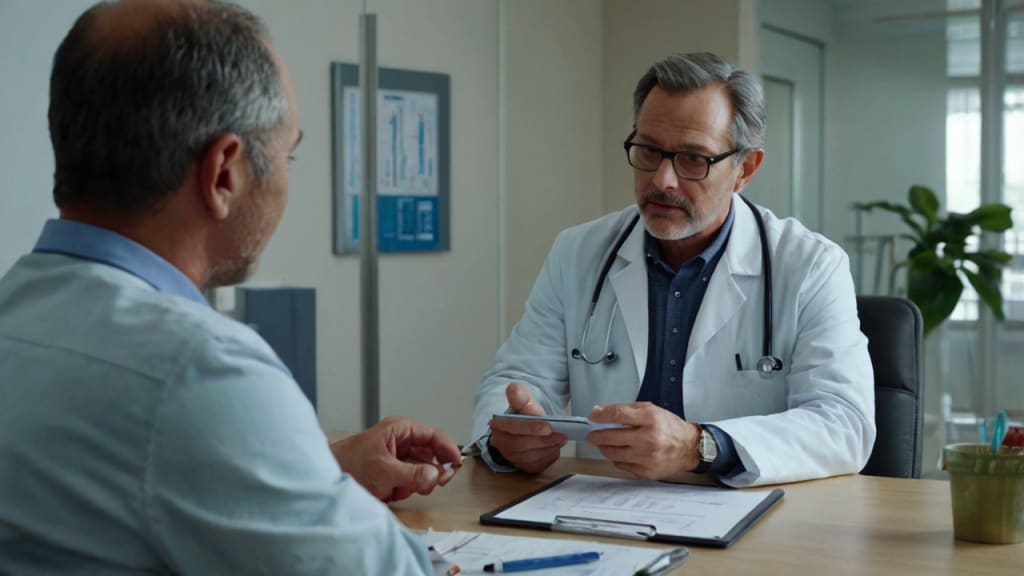
It Started With a Drip… Literally
For Mark, a 52-year-old accountant from Ohio, everything seemed to be going just fine. He was eating relatively well, walking his dog every evening, and doing his best to keep up with his teenage kids. But one quiet morning, while getting ready for work, he noticed something off.
“I had to go to the bathroom three times in an hour,” Mark recalls, laughing nervously. “At first, I blamed the extra cup of coffee. But then it kept happening.”
Little did Mark know, that was his body waving a tiny red flag.
The Prostate: Small Gland, Big Role
Before we dive into Mark’s story, let’s break this down a bit.
The prostate is a walnut-sized gland that sits just below the bladder in men. It plays a key role in producing semen and supports urinary flow. As men age, especially after 50, changes in the prostate are common—but not always benign.
Many men, like Mark, don't know what to look out for until things feel noticeably uncomfortable.
So how do you know if your prostate is healthy?
Listening to Your Body: The Early Signs
Back to Mark. A week after that morning, he started noticing:
A weaker stream while urinating
A feeling that his bladder wasn’t fully empty
Waking up 2–3 times a night to pee
Occasional discomfort in his lower back
“I wasn’t in pain, but something wasn’t right,” Mark says. “Still, I didn’t want to make a big deal out of it. Guys don’t usually run to the doctor for stuff like this, you know?”
But the signs were piling up—and his wife wasn’t having it.
“She scheduled the appointment for me,” he laughs. “And thank God she did.”
The Doctor Visit: What to Expect
At the urologist, Mark went through a few standard checks:
Digital Rectal Exam (DRE) – It sounds worse than it is. The doctor uses a gloved finger to feel the prostate for lumps or abnormalities.
PSA Blood Test – This measures the level of prostate-specific antigen. Higher levels can indicate inflammation, enlargement, or even cancer.
Urine Flow Test – Measures how strong your stream is.
Ultrasound or Imaging – Not always necessary, but sometimes used for a clearer picture.
The results?
Mark’s prostate was slightly enlarged—a common condition called Benign Prostatic Hyperplasia (BPH). Thankfully, there were no signs of cancer.
What a Healthy Prostate Feels Like
Here’s the kicker: a healthy prostate often doesn’t feel like anything at all. No discomfort. No urgency. No night-time bathroom runs. Just normal, everyday bathroom trips without a second thought.
Here are some signs your prostate is likely in good shape:
You can fully empty your bladder without straining
You don’t wake up multiple times at night to urinate
You have a steady, strong stream
No blood in urine or semen
No pelvic or lower back discomfort
But keep in mind—prostate issues can sneak up silently, especially in the early stages of prostate cancer. That’s why regular screenings are so important, especially if you're over 50 or have a family history.
Lifestyle Tweaks That Help
Mark’s doctor didn’t just hand him a prescription—he gave him a checklist:
Cut down on caffeine and alcohol – They irritate the bladder
Stay active – Even brisk walks improve urinary function
Eat more tomatoes and leafy greens – Lycopene and antioxidants are great for prostate health
Stay hydrated—but smartly – Don’t overdo fluids before bedtime
Practice stress management – Yes, it affects everything
Within three months, Mark’s symptoms had improved dramatically. No meds, just smart changes.
“I still miss my 3pm espresso,” he jokes, “but it’s worth the trade-off.”
When to See a Doctor
Here’s the rule of thumb: If something changes, get it checked. You don’t have to wait for pain or visible symptoms.
Go see a doctor if you notice:
Sudden changes in urination
Painful ejaculation or blood in semen
Persistent back, hip, or pelvic pain
Difficulty starting or stopping urination
Final Thoughts: Don’t Wait to Feel Bad
Mark’s story is all too familiar for many men. It’s easy to brush off minor discomforts, especially when life gets busy. But your body whispers before it screams.
So how do you know if your prostate is healthy?
You listen. You check. And you don’t wait.
Because a quick visit to the doctor today can save you from a much harder road tomorrow.
About the Creator
Enjoyed the story? Support the Creator.
Subscribe for free to receive all their stories in your feed.
Comments
There are no comments for this story
Be the first to respond and start the conversation.