
How Can Yoga Help Improve Mental Health, Relieve Stress, and Boost Overall Well-being?
Yoga
1. Introduction
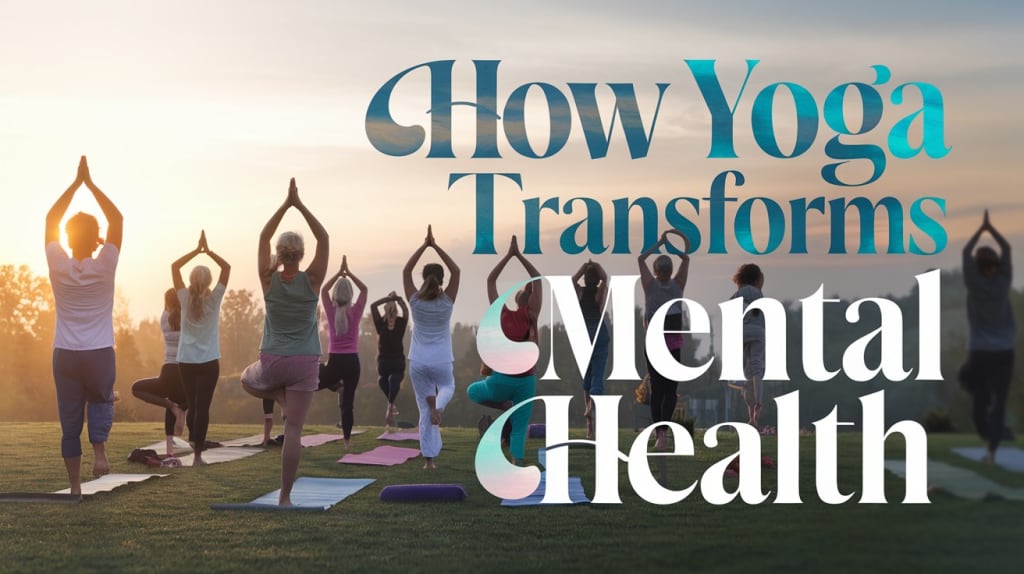
In today’s fast-paced world, stress and anxiety have become a regular part of life. Whether you’re dealing with work deadlines, relationship pressures, or the never-ending scroll of social media, it’s easy to feel overwhelmed. It’s like our brains are constantly running on overdrive, trying to keep up with everything around us. But what if I told you there’s a way to hit the pause button and reset your mind? Enter yoga.
Yoga, which originated over 5,000 years ago in ancient India, is much more than just a physical workout. It’s a practice that brings harmony to your body, mind, and spirit. The best part? You don’t need to be a contortionist or have a deep knowledge of spiritual practices to reap its benefits. Yoga is for everyone, and its effects go far beyond just stretching and strengthening your muscles.
The connection between yoga and mental health is profound. Yoga has been scientifically proven to reduce stress, ease anxiety, improve mood, and even help with depression. Whether you’re new to yoga or you’ve been practicing for years, understanding how this ancient practice can boost your mental well-being is essential.
In this blog, we’ll dive into how yoga can help improve mental health, relieve stress, and boost overall well-being. By the end of it, you’ll not only want to roll out your mat but also have a deeper appreciation for the mind-body connection that yoga offers.
2. Stress and Anxiety Reduction Through Yoga
Let’s be real: stress and anxiety are part of modern life. Between juggling work, family, and social commitments, it’s easy to feel like you’re running on fumes. The more you try to keep up, the more overwhelmed you become. But what if there was a way to release some of that pressure, let go of the constant tension, and just breathe? That’s where yoga comes in.
a. Yoga’s impact on the nervous system
One of the primary ways yoga helps reduce stress and anxiety is by calming the nervous system. When you’re stressed, your body activates the “fight or flight” response, which is helpful when you’re facing a real threat, like being chased by a bear (which doesn’t happen often, thankfully). But in everyday life, this response can be triggered by much smaller things, like a difficult email or a traffic jam.
Yoga activates the parasympathetic nervous system, also known as the “rest and digest” system, which helps counteract the effects of stress. By focusing on deep breathing (pranayama) and slow, mindful movements, yoga signals to your brain that it’s safe to relax. This leads to a decrease in cortisol, the stress hormone that can wreak havoc on your body and mind when it’s constantly elevated.
b. Mindfulness and being in the present moment
Another powerful aspect of yoga is its ability to bring you into the present moment. Anxiety often stems from worrying about the future or replaying past events. During a yoga practice, however, your attention is focused on your breath, your body, and the sensations you’re experiencing in the moment. This mindfulness can help interrupt the cycle of anxious thoughts and give your mind a break from constant worry.
Yoga doesn’t just encourage mindfulness during class – it teaches you how to carry that awareness into your everyday life. When you practice regularly, you begin to notice when stress or anxiety starts creeping in, and you have the tools (like deep breathing and grounding techniques) to manage it effectively.
c. The role of specific poses in stress reduction
Certain yoga poses are particularly effective at relieving stress and calming the mind. Forward folds like Standing Forward Bend (Uttanasana) or Child’s Pose (Balasana) help calm the nervous system by encouraging introspection and relaxation. Twisting poses like Supine Twist (Supta Matsyendrasana) help release tension stored in the spine and digestive system, areas often affected by stress.
Restorative yoga, which involves holding gentle poses for extended periods with the support of props, is another excellent way to reduce stress. By encouraging stillness and deep relaxation, restorative yoga allows your mind and body to rest, recover, and reset.
d. Breathing techniques for anxiety relief
One of the most accessible tools yoga offers for stress and anxiety relief is pranayama, or breath control. A simple breathing technique like Nadi Shodhana (alternate nostril breathing) can help balance your nervous system and calm your mind. When you’re feeling anxious, try this: sit comfortably, close your eyes, and alternate breathing through each nostril. You’ll notice a shift in your energy and a sense of calm washing over you.
Incorporating yoga into your daily routine, even for just 10-15 minutes, can make a significant difference in how you manage stress and anxiety. It’s a simple, effective way to take care of your mental health and keep those overwhelming feelings at bay.
3. Improving Mood: The Role of Yoga in Increasing Happiness
Let’s talk about happiness. We all want to feel good, right? But sometimes, life throws curveballs that can leave us feeling down in the dumps. Whether it’s a tough day at work, an argument with a friend, or just a case of the blues, it’s easy for our mood to take a nosedive. That’s where yoga comes in – as a natural, effective way to lift your spirits and improve your overall mood.
a. Yoga’s effect on brain chemistry
When you practice yoga, you’re not just moving your body – you’re influencing your brain chemistry as well. Yoga has been shown to increase the levels of certain neurotransmitters, including serotonin, dopamine, and GABA (gamma-aminobutyric acid). These chemicals play a crucial role in regulating your mood, helping you feel more relaxed, happy, and content.
In particular, serotonin is often referred to as the “happiness hormone.” Low levels of serotonin are linked to depression and anxiety, while higher levels promote feelings of well-being. Regular yoga practice can naturally boost serotonin production, making it easier to maintain a positive outlook, even when life gets tough.
b. Heart-opening poses for emotional release
Did you know that certain yoga poses are specifically designed to help you release emotional tension and feel lighter? Heart-opening poses, such as Camel Pose (Ustrasana) or Bridge Pose (Setu Bandhasana), involve stretching and expanding the chest area. From an emotional standpoint, these poses help open up the heart chakra, which is associated with love, compassion, and joy.
Heart-opening poses encourage you to be vulnerable, release negative emotions, and invite positive energy into your life. You might find that after practicing these poses, you feel a sense of emotional release and relief, like a weight has been lifted off your shoulders.
c. Yoga and self-compassion
Yoga isn’t just about improving your mood in the moment – it also fosters long-term emotional resilience by cultivating self-compassion. When you practice yoga, you learn to listen to your body, honor its limitations, and accept yourself as you are. This mindset of self-acceptance carries over into your daily life, helping you be kinder to yourself, even when things don’t go perfectly.
Through yoga, you develop the ability to let go of negative self-judgment and embrace a more positive, loving relationship with yourself. This inner shift can have a profound impact on your overall mood and well-being.
d. The power of mindfulness in mood regulation
Another key element of yoga is mindfulness, the practice of staying present and fully engaged in the current moment. Mindfulness is a powerful tool for improving mood because it helps you break free from the cycle of rumination and negative thinking that can contribute to feelings of sadness or frustration.
When you practice yoga mindfully, you’re less likely to get caught up in worries about the past or future. Instead, you focus on your breath, your movements, and the sensations in your body. This shift in focus can help alleviate feelings of stress, anxiety, and sadness, leaving you with a greater sense of peace and happiness.
Yoga is more than just a physical workout – it’s a practice that nurtures your mind and soul. By regularly practicing yoga, you can tap into a natural source of happiness and emotional well-being, making it easier to stay positive, even when life gets tough.
4. Yoga for Better Sleep and Relaxation
Raise your hand if you’ve ever had trouble falling asleep. You’re not alone. Whether it’s tossing and turning, racing thoughts, or waking up in the middle of the night, sleep problems are something almost everyone experiences at some point. The good news? Yoga can help you get the rest you desperately need.
a. Yoga’s impact on sleep quality
One of the most significant benefits of yoga is its ability to improve sleep quality. Research shows that practicing yoga regularly can help you fall asleep faster, stay asleep longer, and experience deeper, more restful sleep. But how exactly does yoga help with sleep?
Yoga works by calming the mind and relaxing the body, making it easier to transition from the hustle and bustle of the day to a state of rest. The combination of physical movement, deep breathing, and mindfulness helps reduce stress and tension, two major culprits behind sleep problems. By incorporating yoga into your bedtime routine, you’re essentially giving your body and mind the signal to relax and prepare for sleep.
b. Poses to promote relaxation before bed
Not all yoga poses are created equal when it comes to sleep. While vigorous styles of yoga like Vinyasa or Ashtanga can be energizing, certain poses are particularly effective at promoting relaxation and preparing your body for sleep.
Gentle, restorative poses like Legs Up the Wall (Viparita Karani) or Reclined Butterfly Pose (Supta Baddha Konasana) help calm the nervous system and release tension from the body. Forward folds, such as Seated Forward Bend (Paschimottanasana) or Standing Forward Bend (Uttanasana), encourage introspection and relaxation, making them perfect for winding down before bed.
Incorporating a few of these poses into your evening routine can create a sense of calm and relaxation, making it easier to drift off to sleep.
5. Yoga and Depression: Natural Healing
Depression can feel like you’re stuck in a never-ending fog, where joy, motivation, and even energy to get through the day are hard to come by. While therapy and medication are commonly prescribed to help manage depression, yoga is a complementary practice that has shown remarkable potential in lifting people out of depressive states naturally.
a. The mind-body connection in yoga
One of the most powerful aspects of yoga is the way it connects the body and mind. When you’re feeling depressed, it’s easy to disconnect from your body and retreat inward, letting negative thoughts take over. Yoga helps break that cycle by encouraging you to reconnect with your body through movement and breath. This practice of being present and grounded in the moment can help bring you out of the mental fog that depression often creates.
The deep, mindful breathing involved in yoga also stimulates the vagus nerve, which plays a critical role in regulating mood and emotional well-being. By calming the nervous system and bringing balance to your body's stress response, yoga creates a sense of inner calm and emotional stability.
b. Yoga’s impact on brain chemistry and mood regulation
Like we discussed earlier in the section about improving mood, yoga can have a profound impact on brain chemistry, especially in relation to depression. Studies have shown that yoga helps increase the production of serotonin, the “feel-good” neurotransmitter, which is often deficient in people with depression. Yoga also helps balance cortisol levels, reducing the body’s chronic stress response, which can exacerbate depressive symptoms.
Additionally, yoga encourages the release of endorphins, the body’s natural painkillers, which not only help boost your mood but also give you a sense of well-being and pleasure after practice. These positive chemical changes in the brain can make yoga a valuable tool for anyone experiencing depression.
c. Specific yoga poses for depression relief
Certain yoga poses are particularly effective for alleviating depressive symptoms. Forward bends, such as Uttanasana (Standing Forward Bend) and Paschimottanasana (Seated Forward Bend), have a calming effect on the nervous system and help reduce feelings of fatigue and mental exhaustion. Heart-opening poses, like Cobra (Bhujangasana) or Bridge Pose (Setu Bandhasana), encourage an emotional release and can help counteract the sense of heaviness or numbness often associated with depression.
Inversions like Shoulder Stand (Sarvangasana) or Legs Up the Wall (Viparita Karani) can also be incredibly beneficial. These poses help increase blood flow to the brain, stimulating the release of mood-enhancing neurotransmitters and promoting mental clarity. Inversions give a sense of grounding and stability, which can be especially helpful during moments of emotional turmoil.
d. Meditation and self-compassion in yoga for depression
Yoga encourages a mindset of self-compassion, which is particularly important for those struggling with depression. Depression often comes with a harsh inner dialogue, where self-criticism and feelings of worthlessness dominate. Through meditation and mindful movement, yoga helps break that cycle, allowing you to practice kindness toward yourself.
Guided meditations or mantra-based practices incorporated into yoga sessions can offer a sense of hope and healing. Simply repeating positive affirmations during a practice, like "I am enough" or "I am healing," can begin to shift the negative patterns of thought that often accompany depression.
Incorporating yoga into your daily or weekly routine can be a game-changer for those seeking natural relief from depression. It provides a holistic approach to healing, one that combines physical movement with emotional release, mindfulness, and self-compassion.
6. The Role of Meditation and Breathing Techniques (Pranayama)
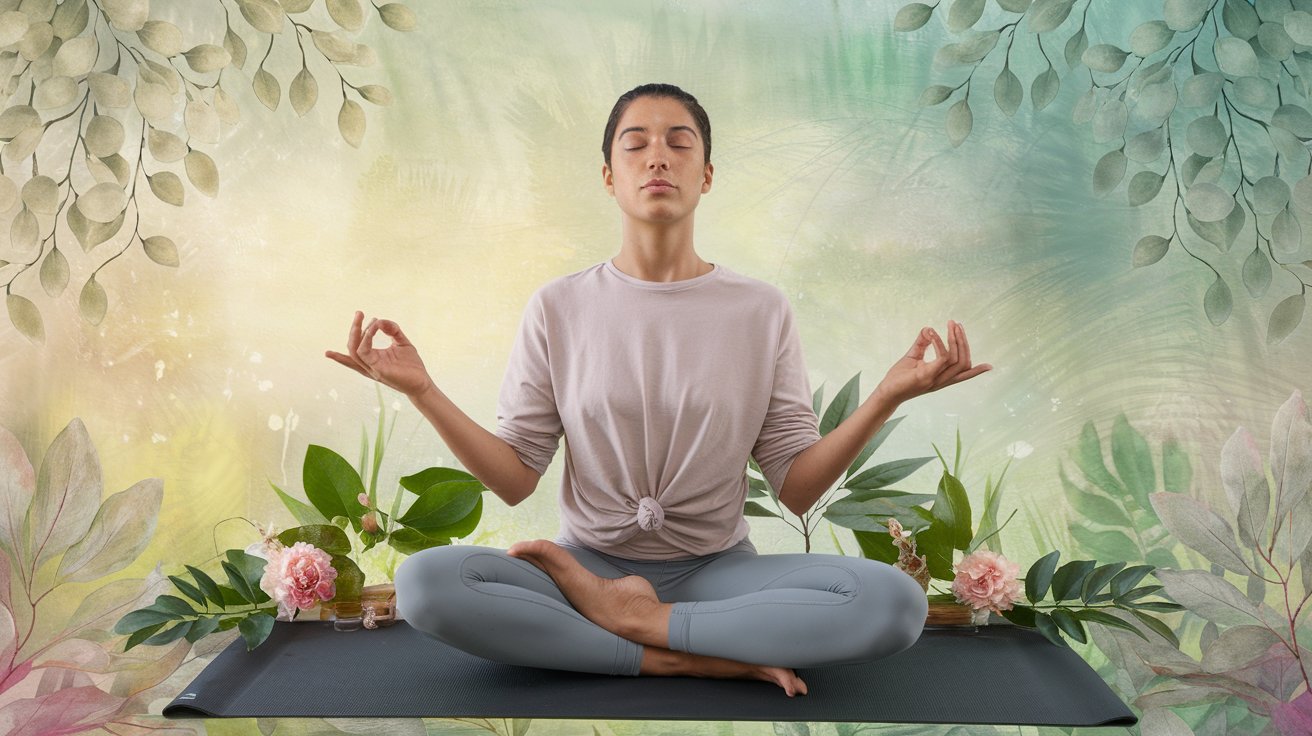
When we think of yoga, the physical poses often come to mind first. However, an essential part of yoga’s mental health benefits comes from meditation and breathing techniques, known as pranayama. These practices help control the breath, focus the mind, and create a deeper sense of inner peace.
a. Understanding pranayama
Pranayama, which translates to “control of life force,” is the practice of controlling your breath. In yoga, breath is considered the bridge between the body and the mind. When your breathing is shallow and rapid, it signals to your brain that you’re stressed or anxious. When your breathing is deep and slow, it tells your brain that you’re calm and safe.
There are many different types of pranayama, each with its own benefits. For example, Ujjayi breathing (also called “ocean breath”) involves taking slow, controlled breaths while slightly constricting the throat, creating a sound similar to the ocean. This type of breathing calms the nervous system and can be incredibly grounding during stressful situations.
Alternate nostril breathing (Nadi Shodhana) is another popular pranayama technique that balances the body’s energy and calms the mind. By breathing through one nostril at a time, this practice creates a sense of balance between the two hemispheres of the brain, promoting relaxation and mental clarity.
b. Meditation for mental clarity
Meditation, a key component of yoga, plays a significant role in mental health improvement. The practice of meditation in yoga helps quiet the constant chatter in the mind, which can be particularly beneficial for those dealing with stress, anxiety, or depression. Through meditation, you learn to observe your thoughts without judgment, creating space for calm and clarity.
Meditation doesn’t have to be complicated. Even a few minutes of sitting quietly and focusing on your breath can have a profound effect on your mental state. Over time, regular meditation practice helps train your brain to stay calm and focused, even in challenging situations.
c. The physiological benefits of pranayama and meditation
The physical benefits of pranayama and meditation are well-documented. Deep, mindful breathing activates the parasympathetic nervous system, which helps reduce the body’s fight-or-flight response. This leads to lower blood pressure, decreased heart rate, and reduced levels of the stress hormone cortisol.
Breathing exercises also help increase oxygen flow to the brain, which can improve cognitive function and mental clarity. When your brain receives more oxygen, it’s better able to focus, make decisions, and manage emotions effectively.
Meditation, on the other hand, has been shown to increase gray matter in the brain, particularly in areas responsible for emotional regulation, memory, and decision-making. Regular meditation practice can lead to better emotional stability, improved memory, and enhanced creativity.
d. Using pranayama and meditation for stress management
One of the most immediate benefits of pranayama and meditation is their ability to help you manage stress. When you’re feeling overwhelmed, anxious, or upset, taking just a few minutes to focus on your breath can help shift your body out of a stress response and into a state of relaxation.
Try this: the next time you’re feeling stressed, sit in a comfortable position, close your eyes, and take slow, deep breaths. Inhale through your nose for a count of four, hold the breath for a count of four, and exhale through your nose for a count of four. Repeat this process for a few minutes, and notice how your body and mind begin to calm down.
Incorporating pranayama and meditation into your yoga practice – and your daily life – is a powerful way to reduce stress, improve mental clarity, and enhance your overall well-being.
7. Physical and Mental Health Benefits of Regular Yoga Practice
Yoga is known for its ability to increase flexibility and strength, but the benefits go far beyond the physical. A consistent yoga practice not only improves your body’s health, but also supports your mental and emotional well-being in profound ways.
a. Physical benefits of yoga
On the physical side, yoga improves flexibility, balance, and strength. Poses like Downward Dog (Adho Mukha Svanasana) and Warrior II (Virabhadrasana II) stretch and strengthen the muscles, promoting better posture and alignment. Over time, yoga can increase your range of motion and reduce the risk of injury in everyday activities.
Yoga is also great for your cardiovascular health. Flow-based yoga styles, such as Vinyasa or Power Yoga, get your heart pumping and improve circulation. This, in turn, helps lower blood pressure, improve heart function, and increase endurance. Yoga also supports a healthy metabolism, which can aid in weight management and improve digestion.
One of the most underrated physical benefits of yoga is its ability to support joint health. Many yoga poses, such as Child’s Pose (Balasana) and Cat-Cow (Marjaryasana-Bitilasana), promote joint mobility and reduce stiffness. This is especially beneficial for individuals with arthritis or other joint-related issues.
b. Mental health benefits of yoga
When it comes to mental health, yoga is a game-changer. Practicing yoga regularly can help reduce symptoms of anxiety, depression, and chronic stress. By calming the nervous system and promoting mindfulness, yoga creates a sense of mental clarity and emotional balance.
Yoga teaches you to be present, which helps you break free from the cycle of overthinking and worrying about the future. When you’re fully engaged in your breath and movements, it becomes easier to let go of anxious thoughts and focus on the here and now.
Another mental health benefit of yoga is its ability to improve sleep quality. As we discussed earlier, yoga promotes relaxation and helps regulate the body’s sleep-wake cycles. A consistent yoga practice can help you fall asleep faster, stay asleep longer, and wake up feeling refreshed and energized.
c. Emotional resilience and mindfulness
Yoga encourages emotional resilience by teaching you how to remain calm and composed in the face of challenges. Through mindful movement and breathwork, you learn to observe your emotions without becoming overwhelmed by them. This skill is invaluable when dealing with stress, anxiety, or difficult life situations.
Mindfulness, a key component of yoga, also helps improve your overall emotional health. By practicing mindfulness on the mat, you become more aware of your thoughts, feelings, and behaviors. This self-awareness can lead to greater emotional intelligence and better decision-making in your daily life.
Regular yoga practice not only strengthens your body, but also fortifies your mind, making it a powerful tool for overall health and well-being.
8. Styles of Yoga for Mental Well-being
Yoga isn't a one-size-fits-all practice. With its diverse range of styles, there’s a type of yoga for almost every individual need, especially when it comes to mental well-being. From dynamic, fast-paced yoga to gentle, restorative practices, each style offers unique benefits for the mind and body.
a. Hatha yoga: The foundation for mental peace
Hatha yoga is often seen as a great starting point for beginners. It focuses on basic postures, alignment, and breathwork, making it accessible for people of all fitness levels. But don’t let its simplicity fool you—Hatha yoga is a powerful tool for mental clarity and emotional balance. It’s slower-paced, allowing you to focus on your breath and engage in mindfulness.
Hatha yoga encourages a balance between effort and ease, teaching you to listen to your body and stay present in the moment. This emphasis on mindfulness makes it particularly beneficial for reducing stress and anxiety. As you move through the poses and synchronize your breath, Hatha yoga helps release physical tension and mental stress, leaving you with a deep sense of relaxation.
b. Vinyasa yoga: Flowing for mental focus
If you’re looking for something a bit more dynamic, Vinyasa yoga might be the perfect fit. This style is characterized by its fluid, fast-paced movements, where each pose is connected by breath. The constant flow in Vinyasa requires mental focus, helping you stay present and engaged throughout the practice.
For people who struggle with a busy mind or racing thoughts, Vinyasa can provide a healthy outlet. By concentrating on the flow of movement and breath, you naturally quiet the mental chatter. The rhythmic nature of Vinyasa also activates the parasympathetic nervous system, which helps reduce stress and promote mental clarity.
c. Restorative yoga: Healing through stillness
Restorative yoga is the antidote to today’s fast-paced world. It’s a slow, meditative practice that involves holding gentle poses for extended periods, often with the support of props like bolsters and blankets. This style of yoga is specifically designed to calm the nervous system, reduce stress, and promote deep relaxation.
In restorative yoga, the goal is to let go of effort and allow the body to fully relax. By staying in each pose for several minutes, your body has time to release deeply held tension, both physical and emotional. This makes it an excellent practice for those dealing with chronic stress, anxiety, or depression. Restorative yoga also encourages mindfulness, as you become more aware of subtle sensations in the body and fluctuations in your mind.
d. Kundalini yoga: Awakening inner energy
Kundalini yoga is often described as a more spiritual style of yoga. It combines dynamic movements, chanting, breathwork, and meditation to awaken the kundalini energy—an untapped reservoir of spiritual energy believed to reside at the base of the spine. While Kundalini yoga is more intense than other styles, it can be incredibly transformative, both mentally and emotionally.
Kundalini yoga is said to help clear emotional blockages and bring mental clarity. Through specific breath patterns and physical movements, this style stimulates the nervous system, balances hormones, and promotes emotional healing. It can be especially helpful for those seeking a deeper connection with themselves or looking to overcome feelings of stagnation or mental fog.
e. Yin yoga: Balancing the mind through stillness
Yin yoga is another slow, meditative practice, but it differs from restorative yoga in its approach. While restorative yoga focuses on relaxation, Yin yoga works deeply into the connective tissues, encouraging flexibility and joint health. Poses in Yin yoga are held for three to five minutes or longer, which challenges both the body and the mind.
The stillness of Yin yoga provides a unique opportunity to cultivate mental patience and endurance. It’s a practice that requires you to sit with discomfort and observe your thoughts and sensations without judgment. This can be incredibly powerful for mental well-being, as it teaches you to respond to life’s challenges with greater resilience and mindfulness.
Each yoga style offers its own path to mental well-being, and what works best will depend on your personal preferences and needs. Whether you’re looking to de-stress, find mental clarity, or heal emotionally, there’s a yoga style that can support your journey.
9. Beginner’s Guide to Starting a Yoga Practice for Mental Health
Starting a yoga practice can feel intimidating, especially when it’s for something as important as mental health. But the good news is that yoga is for everyone—no matter your age, fitness level, or previous experience. Here’s how to get started with a yoga practice that focuses on improving your mental well-being.
a. Find the right style of yoga
As we discussed in the previous section, there are many different styles of yoga, each with its own benefits for mental health. If you’re just starting out, consider beginning with a gentle practice like Hatha or Restorative yoga. These styles are beginner-friendly and focus on alignment, breathwork, and mindfulness—all key components for mental well-being.
If you’re someone who enjoys a more active practice, Vinyasa yoga might be a good fit. And if you’re interested in exploring the spiritual aspects of yoga, Kundalini could offer the transformative experience you’re looking for. The most important thing is to find a style that resonates with you and feels sustainable.
b. Set realistic goals and expectations
When starting a yoga practice, it’s important to set realistic goals. Yoga isn’t about perfecting poses or achieving a certain level of flexibility. Instead, focus on how the practice makes you feel. Do you feel more relaxed after a session? Are you able to focus better or handle stress with more ease?
Set small, achievable goals, such as practicing yoga three times a week or incorporating a short meditation at the end of each session. Over time, you’ll begin to notice the positive effects on your mental and emotional well-being.
c. Create a calming environment
One of the great things about yoga is that it can be practiced anywhere, but it helps to create a calming environment that supports relaxation and mindfulness. Find a quiet space in your home where you won’t be interrupted. You might want to add some calming elements, like a candle, soothing music, or soft lighting, to create a peaceful atmosphere.
Having a dedicated space for your yoga practice can help make it a regular part of your routine, and the calming environment will enhance the mental health benefits of your practice.
d. Focus on the breath
When you’re new to yoga, it can be easy to get caught up in trying to “do the poses right,” but the most important aspect of yoga—especially for mental health—is the breath. In yoga, the breath is your anchor, helping you stay present and calm even when things feel challenging.
As you move through your practice, try to focus on taking deep, mindful breaths. When a pose feels difficult or your mind starts to wander, bring your attention back to your breath. This practice of focusing on the breath will help reduce stress, calm the mind, and enhance the overall mental health benefits of yoga.
e. Start slow and listen to your body
It’s tempting to dive right in and push yourself, but yoga is all about listening to your body and honoring where you are in the moment. When you’re starting out, it’s okay to take things slow. There’s no rush to master every pose or keep up with the class.
Instead, focus on how your body feels in each pose. Are you holding tension in certain areas? Are you breathing deeply, or are you holding your breath? By tuning into your body’s needs, you can create a yoga practice that not only supports your mental health but also promotes physical well-being.
f. Seek guidance when needed
If you’re new to yoga, it can be helpful to take a few classes with a certified instructor, either in person or online. A good instructor can offer guidance on proper alignment, modifications for your body, and tips for staying mindful throughout your practice.
There are also many online resources and apps that offer beginner-friendly yoga classes tailored specifically to mental health. These resources can help you build confidence in your practice and ensure you’re getting the most out of your yoga sessions.
10. Yoga and Mindfulness: A Powerful Duo
Yoga and mindfulness go hand in hand, complementing each other beautifully to create a holistic approach to mental well-being. Both practices encourage you to be present, tune into your body, and observe your thoughts without judgment. When combined, yoga and mindfulness can provide profound benefits for both the mind and body.
a. What is mindfulness?
Mindfulness is the practice of paying attention to the present moment, without getting caught up in thoughts about the past or worries about the future. It’s about being fully present and aware of what’s happening right now, whether it’s the sensation of your breath, the sound of birds outside, or the way your body feels as you move through a yoga pose.
Mindfulness doesn’t require any special equipment or conditions—you can practice it anywhere, at any time. In fact, one of the reasons yoga is so effective for mental well-being is because it encourages mindfulness through movement and breathwork.
b. How yoga promotes mindfulness
In yoga, mindfulness is integrated into every aspect of the practice. When you’re holding a pose, you’re encouraged to focus on how your body feels, the rhythm of your breath, and the sensations that arise in each moment. This focus on the present moment helps you cultivate mindfulness both on and off the mat.
As you practice yoga, you learn to become more aware of your thoughts and emotions. Instead of reacting to stress or discomfort, you learn to observe it with curiosity and compassion. This shift in perspective can help reduce anxiety, improve emotional regulation, and increase your overall sense of well-being.
c. The mental health benefits of combining yoga and mindfulness
When practiced together, yoga and mindfulness can have powerful effects on mental health. Research has shown that mindfulness can help reduce symptoms of anxiety and depression, improve focus and concentration, and increase feelings of calm and relaxation.
Yoga, with its emphasis on breath and movement, enhances these benefits by providing a physical outlet for stress and tension. Together, they create a balanced approach to mental health that addresses both the mind and body.
Practicing mindfulness during yoga can also help you develop a greater sense of self-awareness. By tuning into your thoughts and feelings, you can better understand the patterns that contribute to stress or negative emotions. This awareness is the first step toward making positive changes in your mental and emotional health.
d. How to integrate mindfulness into your yoga practice
If you’re new to mindfulness, start by simply paying attention to your breath during your yoga practice. Notice how your breath feels as it moves in and out of your body. When your mind starts to wander, gently bring it back to your breath.
You can also practice mindfulness by tuning into the physical sensations of each pose. Notice how your muscles feel as you stretch or how your body shifts its weight in balance poses. By focusing on these sensations, you’ll naturally bring your mind into the present moment.
Another way to integrate mindfulness into your yoga practice is through body scans. As you move through your practice, mentally scan your body for areas of tension or discomfort. This can help you become more attuned to your body’s needs and enhance the mental health benefits of your practice.
11. The Importance of Restorative Yoga for Healing and Stress Relief
In a world that often feels like it's on fast forward, restorative yoga emerges as a gentle antidote to the chaos. This practice invites you to slow down, breathe deeply, and allow your body to rest and heal. Restorative yoga is not about pushing your limits; it's about surrendering to stillness, making it an essential tool for healing and stress relief.
a. Understanding Restorative Yoga
Restorative yoga involves holding poses for extended periods, typically five minutes or more. The goal is to relax deeply, allowing your body to rejuvenate and restore itself. Props like bolsters, blankets, and straps support your body, making it easy to find comfort in each pose.
While it may seem passive, restorative yoga requires a mindful approach. You’re encouraged to pay attention to your breath and physical sensations, which fosters a profound sense of awareness and presence. This heightened awareness is vital for recognizing stress and tension in the body, leading to greater emotional and physical healing.
b. The Stress Response and Restorative Yoga
When we encounter stress, our bodies activate the sympathetic nervous system—the "fight or flight" response. This physiological reaction releases hormones like adrenaline and cortisol, which prepare us to deal with perceived threats. While this response can be helpful in genuine danger, chronic stress keeps our bodies in this heightened state, leading to fatigue, anxiety, and burnout.
Restorative yoga works by activating the parasympathetic nervous system, often called the "rest and digest" system. This switch helps reduce heart rate and blood pressure, encouraging relaxation and a sense of calm. When you practice restorative yoga, you essentially tell your body that it’s safe to let go and heal.
c. Benefits of Restorative Yoga for Mental Health
1. Deep Relaxation: The primary benefit of restorative yoga is its ability to induce deep relaxation. This relaxation not only soothes the mind but also alleviates tension in the body, making it an effective practice for those suffering from anxiety and stress.
2. Enhanced Emotional Well-Being: By allowing yourself to slow down and be present, restorative yoga encourages emotional healing. It provides a space to process feelings and let go of emotional burdens, promoting a more balanced emotional state.
3. Improved Sleep Quality: Many people experience sleep disturbances due to stress and anxiety. Restorative yoga can significantly improve sleep quality by promoting relaxation and helping to regulate the nervous system. Incorporating a restorative practice before bedtime can signal to your body that it’s time to wind down.
4. Greater Mindfulness: Restorative yoga encourages mindfulness by inviting you to pay attention to your breath and sensations in your body. This practice can spill over into your daily life, helping you respond to stressors with greater calm and awareness.
5. Increased Flexibility and Range of Motion: While restorative yoga is gentle, it can still help improve flexibility over time. Holding poses for extended periods allows your muscles to lengthen and relax, contributing to greater range of motion.
d. How to Incorporate Restorative Yoga into Your Routine
1. Start with a Short Practice: If you’re new to restorative yoga, begin with a 15-30 minute session. You can find guided classes online that focus on restorative practices, which can provide structure and support.
2. Use Props: Invest in a few props like bolsters, blankets, and blocks to enhance your practice. These tools can help you find comfort in each pose and make it easier to relax.
3. Create a Peaceful Environment: Set up a calming space for your practice. Dim the lights, light a candle, or play soft music to create a serene atmosphere.
4. Focus on Breath: As you hold each pose, concentrate on your breath. Inhale deeply through your nose, allowing your abdomen to rise, and exhale slowly through your mouth. This breathwork will deepen your relaxation and enhance the benefits of the practice.
5. Listen to Your Body: Restorative yoga is about tuning in to your body’s needs. If a pose doesn’t feel comfortable, don’t hesitate to adjust or skip it altogether. The goal is to promote healing and relaxation, so honor your body’s signals.
6. Practice Regularly: Incorporating restorative yoga into your routine a few times a week can lead to significant improvements in mental well-being. Consistency is key to reaping the long-term benefits of this practice.
e. Conclusion
Incorporating restorative yoga into your life can have profound effects on your mental health. By creating a space for deep relaxation and emotional healing, restorative yoga allows you to release stress and cultivate a sense of peace. So, whether you’re seeking refuge from a hectic day or looking to reconnect with yourself, restorative yoga offers a gentle path toward healing and well-being.

12. Yoga Nidra: The Art of Yogic Sleep for Deep Relaxation
When it comes to relaxation, few practices can rival the power of Yoga Nidra, often referred to as "yogic sleep." This ancient practice is designed to take you to a state of consciousness between waking and sleeping, allowing for profound relaxation and mental rejuvenation. But what exactly is Yoga Nidra, and how can it benefit your mental health?
a. Understanding Yoga Nidra
Yoga Nidra is a guided meditation practice that systematically leads you into a deep state of relaxation. Unlike traditional sleep, where you lose awareness, Yoga Nidra maintains a level of consciousness, allowing you to observe your thoughts and feelings without attachment. This practice typically involves lying down comfortably while a teacher guides you through a series of relaxation techniques, including breath awareness, body scans, and visualization.
The beauty of Yoga Nidra lies in its accessibility. You don’t need to be a seasoned yogi or have any prior experience to benefit from this practice. All you need is a quiet space and a willingness to relax.
b. The Science Behind Yoga Nidra
Research has shown that Yoga Nidra can have significant positive effects on mental health. Studies indicate that this practice can lower levels of stress and anxiety, enhance mood, and even improve sleep quality. The systematic relaxation techniques used in Yoga Nidra stimulate the parasympathetic nervous system, promoting a state of calm and helping to reduce the body's stress response.
The practice also influences brain wave activity. During Yoga Nidra, practitioners often experience alpha and theta brain wave states, which are associated with relaxation, creativity, and deep restorative processes. These states foster a sense of tranquility, making it easier to release tension and let go of worries.
c. Benefits of Yoga Nidra for Mental Well-being
1. Deep Relaxation: The primary goal of Yoga Nidra is to achieve deep relaxation. This level of relaxation not only relieves physical tension but also calms the mind, making it an excellent practice for those suffering from anxiety or chronic stress.
2. Emotional Healing: Yoga Nidra encourages you to observe your thoughts and feelings without judgment. This practice can provide a safe space for emotional processing, helping you confront and release emotional blockages.
3. Improved Sleep Quality: Many people struggle with insomnia or restless sleep due to stress and anxiety. Yoga Nidra can promote better sleep by teaching you to relax your body and mind, making it easier to drift off to sleep and stay asleep.
4. Increased Mindfulness: The practice of Yoga Nidra fosters mindfulness, as it encourages you to become aware of your thoughts and sensations. This heightened awareness can lead to greater emotional regulation and a more balanced mental state.
5. Enhanced Creativity: Because Yoga Nidra taps into the subconscious mind, it can foster creativity and insight. Many practitioners report experiencing bursts of inspiration or clarity after a session.
d. How to Practice Yoga Nidra
1. Find a Comfortable Position: Lie down in a comfortable position, preferably on your back, with your arms resting at your sides. Make sure you’re in a quiet space where you won’t be disturbed.
2. Use a Guided Recording: Beginners may find it helpful to use a guided Yoga Nidra recording. There are many resources available online, including apps and YouTube channels, that offer guided sessions ranging from 20 minutes to an hour.
3. Focus on Your Breath: As you settle into the practice, begin by focusing on your breath. Notice the rise and fall of your abdomen with each inhalation and exhalation. This focus will help ground you in the present moment.
4. Follow the Guidance: Allow the guide to lead you through the various stages of Yoga Nidra. This may include body scans, visualizations, and affirmations. Trust the process and allow yourself to relax fully.
5. Set an Intention: At the beginning of your practice, take a moment to set an intention or Sankalpa. This intention could be related to your mental health, such as finding peace, reducing anxiety, or cultivating self-love.
6. Gradually Return to Awareness: At the end of the practice, the guide will lead you back to awareness. Take your time returning to the present moment, and allow yourself to reflect on the experience.
e. Conclusion
Yoga Nidra is a powerful tool for anyone seeking deep relaxation and mental well-being. By providing a space for emotional healing and rejuvenation, this practice can transform your relationship with stress and anxiety. So, if you’re looking to incorporate a calming practice into your routine, give Yoga Nidra a try—you may just discover the art of yogic sleep is the key to unlocking profound relaxation and peace of mind.
FAQs
1. What is yoga, and how does it benefit mental health?
Yoga is a mind-body practice that combines physical postures, breathing exercises, and meditation. It benefits mental health by reducing stress, anxiety, and depression, promoting relaxation, and enhancing emotional well-being.
2. How does yoga help with stress relief?
Yoga helps relieve stress by activating the parasympathetic nervous system, which calms the body’s stress response. The focus on breath and mindfulness during yoga encourages relaxation and helps individuals manage stress more effectively.
3. Can yoga improve my mood?
Yes! Regular yoga practice has been shown to increase the production of neurotransmitters like serotonin, which can elevate mood. The physical activity combined with mindfulness also helps regulate emotions.
4. Is yoga effective for anxiety and depression?
Many studies suggest that yoga can be an effective complementary treatment for anxiety and depression. The combination of physical movement, breath control, and meditation can alleviate symptoms and improve overall mental health.
5. What styles of yoga are best for mental well-being?
Styles such as Hatha, Vinyasa, Restorative, and Yin Yoga are particularly beneficial for mental well-being. These styles focus on relaxation, deep breathing, and mindfulness, making them excellent choices for stress relief.
6. How can I get started with yoga if I’m a beginner?
Start by finding a beginner-friendly class or online tutorial. Focus on basic poses, breathing techniques, and gradually incorporate meditation. Remember, it’s important to listen to your body and practice at your own pace.
7. Can yoga improve my sleep quality?
Yes! Yoga can improve sleep quality by promoting relaxation and reducing tension in the body. Specific practices, such as gentle stretching and restorative yoga, are particularly effective for preparing the body for restful sleep.
8. What is Yoga Nidra, and how can it help me?
Yoga Nidra, or "yogic sleep," is a guided meditation practice that promotes deep relaxation and mental clarity. It helps reduce stress, enhances emotional well-being, and can improve sleep quality by calming the mind and body.
9. How often should I practice yoga to see mental health benefits?
Practicing yoga a few times a week can lead to significant mental health benefits. Even short daily sessions of 10-20 minutes can be effective in reducing stress and enhancing mood.
10. Is it necessary to be flexible to practice yoga?
No, you don’t need to be flexible to start practicing yoga. The beauty of yoga lies in its adaptability; poses can be modified to suit your level of flexibility and strength. The goal is to find comfort and relaxation, regardless of your starting point.
About the Creator
Dina G
I review products and publish articles, to create engaging content that drives conversions and boosts brand visibility. My work combines storytelling with strategic marketing to effectively reach and influence target audiences.
Enjoyed the story? Support the Creator.
Subscribe for free to receive all their stories in your feed.
Comments
There are no comments for this story
Be the first to respond and start the conversation.